
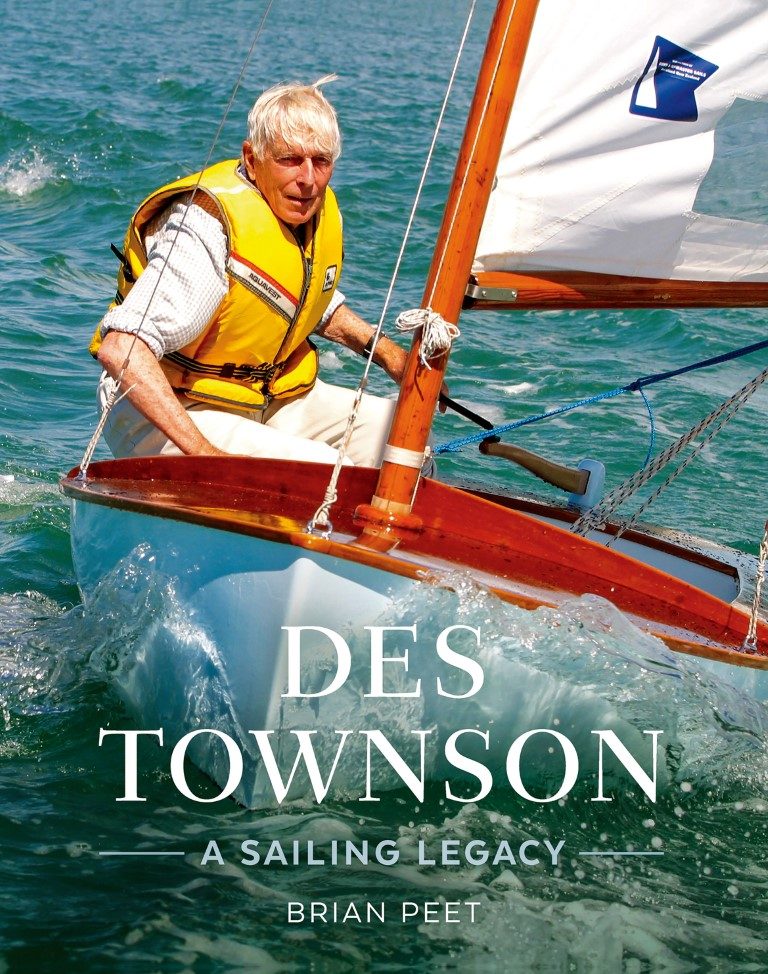
THE DEFINITIVE TOWNSON
Even if you think you know everything there is to know about Des Townson – one of the country’s best-loved designers – it’s a safe bet that reading this book will reveal a lot more about his enigmatic work and life.
Peet’s biography – meticulously researched over more than a decade – is detailed and thorough yet hugely readable. He writes with an easy, almost colloquial style – with plenty of anecdotes – a clever tactic that helps to draw you into the mind of the complex and somewhat reclusive Townson.
And it’s an intriguing portrait he paints: getting your head around the sheer volume and variety of Townson’s work is one thing (it’s a lot more diverse than I believed). That it flowed from the pen of someone who was innately shy and withdrawn, who shunned the fame and publicity his boats/designs attracted, is a great irony.
In fact, it’s that ‘human’ side of Townson that I found most fascinating in Peet’s book – the slightly fractious relationship with his father (which probably spurred his stubbornness/ determination); his remarkable powers of observation (from even a young age his ability to absorb ‘boat theory’ simply by watching others, apply it and improve on it was extraordinary); his inventiveness; his mental strength and abilities as a competitive sailor.
Enthusiasts of the Townson ‘classics’ are particularly well-served in the pages: the genesis of the Zephyr, Starling, Mistral, Dart and Pied Piper – each is explored in colourful detail. As is his venture into bigger keelers – and the race boats with their complicated rules.
The legacy is extraordinary – particularly in terms of its impact on the evolution of New Zealand sailing. So much of this country’s sailing tradition can be traced to the Townson boats still being used by youngsters learning to sail and race.
I found myself reading large swathes of this book in a single sitting – but I’d suggest much of its appeal lies in its suitability for ‘grazers’ – readers who like to dip in and out of a book over weeks or even months. It runs to nearly 350 pages and is filled with scores of rare monochrome and colour images – sourcing them must have been an epic in itself.
Plenty of material already exists about Townson. For me this is the ‘Definitive Townson’. A finely-produced publication that’s guaranteed to generate plenty of discussion if left on your coffee table. It won’t fit into a Christmas stocking, but it will look good under the tree. Ed
The book is available in most bookstores but can also be ordered from: www.destownson.co.nz
Des Townson – A Sailing Legacy By Brian Peet
Mary Egan Publishing RRP $80.00
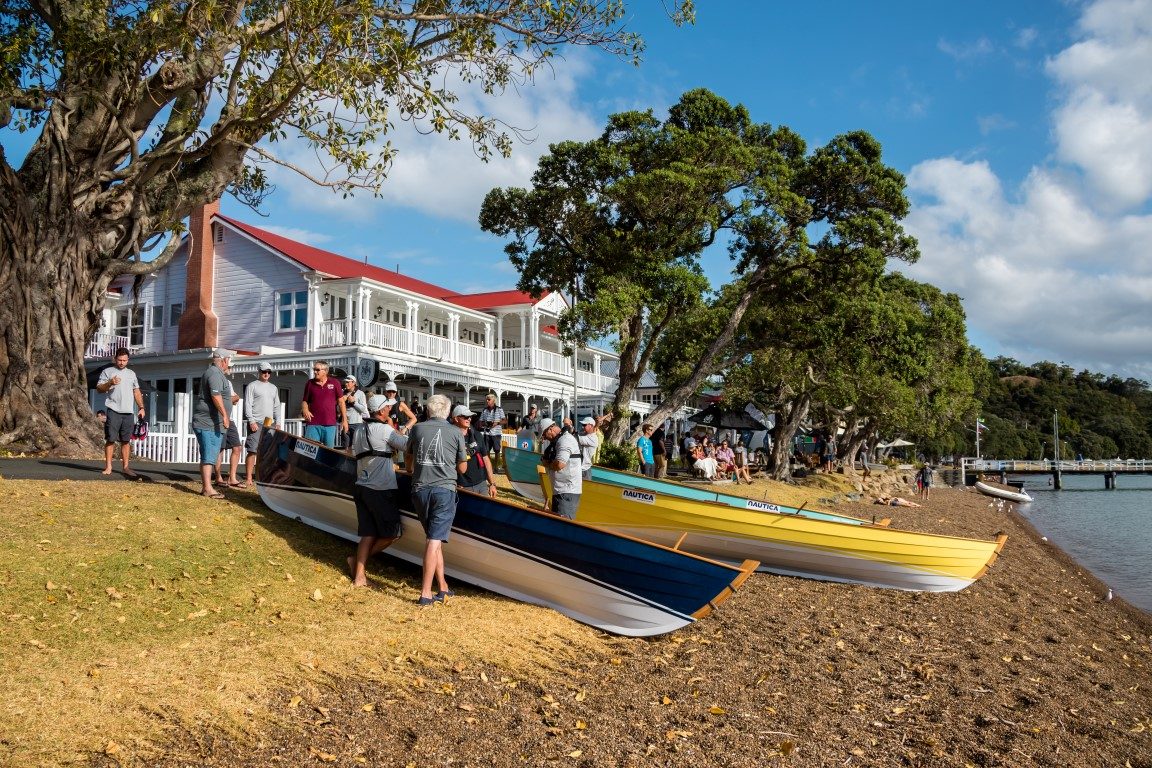
Royal Huisman joins the NZ Millennium Cup
The world’s most-southerly superyacht regatta has signed the Dutch yard as a sponsor, alongside existing platinum sponsor Orams Marine, as it builds towards a February start.
The New Zealand Millennium Cup is proud to announce Royal Huisman has joined the regatta as co-platinum sponsor.
The Dutch builder and yard will join New Zealand’s Orams Marine as co-platinum sponsor for the 2020 and 2021 regattas which will be raced in one of the world’s great natural playgrounds, the Bay of Islands.
“Royal Huisman is proud to announce its sponsorship of the New Zealand Millennium Cup. The team is looking forward to meeting new friends and to reinforcing existing ties during this sailing event in the impressive New Zealand cruising grounds,” says Jurjen van 't Verlaat, marketing and communications manager at Royal Huisman.
“Due to recent and current projects there is a good deal to update you on. We are always delighted to discuss new build or refit projects that call upon all the skills, ingenuity and experience we can offer at our two main shipyards in the Netherlands – Vollenhove and Amsterdam – and also at various flexible locations. We are looking forward to meeting you and of course, to hearing all of the New Zealand industry’s own news,” continued van 't Verlaat.
The 2020 regatta will be raced from 29 January to 1 February and is rapidly building towards a bumper edition with New Zealand’s summer yachting season already showing signs of being busy, as America’s Cup fever hits.
“We always advise refit clients to book well in advance as the yard is invariably full through the New Zealand season of August to May,” says Orams Marine’s Craig Park.”
“At the moment, that’s even more important than ever. It’s great to see so many yachts taking the time to cruise through the Pacific and make their way to New Zealand and we’re looking forward to introducing more of our international colleagues, peers and friends to the beautiful Bay of Islands when racing begins in February.”
The Royal Huisman build Sassafras will return to the race, as will fellow past competitors Silvertip, Tawera, and Janice of Wyoming, and new entrant Kawil will take to the water. Entries have also rolled in for 2021 with Cilliam and Black Sails already entering, along with Janice of Wyoming, Sassafras and Silvertip.
Additional sponsors have returned to the regatta including Doyle Sails, Smuggler Marine and Bay of Islands Marina as gold sponsors, COAST, Breed Media, North Sails/Southern Spars and Electronic Navigation Limited (ENL) as silver sponsors, and Holton Marine, Power Equipment and Attest Ltd as friends of the industry sponsors.
At the prizegiving of the 2019 edition in February the owner of entrant, Freya described the regatta.
"It’s fantastic to come to this beautiful place, in this beautiful country, in the beautiful Bay of Islands. I’d like to say thank you for the hospitality and the wonderful, wonderful time.” The regatta will take place amongst the 144 islets of the Bay of Islands in New Zealand’s Northland, a sub-tropical playground that has been a home to sailors since the earliest Māori voyagers arrived in New Zealand.
Its headquarters will be in the historic Duke of Marlborough Hotel which received New Zealand’s first liquor license in 1840.
“There’s no better place in the world to sail,” said Marcus Blackmore in 2018, owner of the year’s champion Ammonite.
The notice of race was released earlier this year by the organising authority; the New Zealand Millennium Cup Committee and the New Zealand Marine Export Group Inc. under the auspices of the Russell Boating Club, and can be found on the NZ Millennium Cup website. Millennium cup.com/notice-of-race.html
Inaugural Water Safety Month
New Zealand’s first Water Safety Month was launched 18 October because too many people are dying in New Zealand waters.
Already this year 57 people have died in the water in preventable incidents*, compared to 66 in all of last year – that includes 18 recreational boaties, compared to just four in all of last year.
The Minister of Transport, Phil Twyford, joined representatives of the Safer Boating Forum in Auckland this morning as they launched the new initiative. The Forum comprises 24 boating and water safety organisations including Maritime NZ, Coastguard NZ, Surf Life Saving NZ, Water Safety NZ, Drowning Prevention Auckland, harbourmasters, the Marine Industry Association and many recreational organisations.
All the organisations – government, volunteer and sports bodies – are increasing collaboration to get water safety messages to people.
Water Safety Month is designed to get people thinking about preparing before they go in, on or around the water.
Maritime NZ started the month with Safer Boating Week leading up to Labour Day weekend, which is when many boaties get back on the water after winter. The theme was ‘prep, check, know’ – prep your boat, check your gear and know the rules before getting back on the water.
There are more programmes this year than ever before, to help people keep themselves safe. Some of them were on show at the launch.
Coastguard NZ has expanded its Old4New Lifejacket Upgrade, with the Old4New van visiting 63 locations around the country this summer. Maintenance and replacement is key to ensure lifejackets work when they are needed.
Surf Life Saving New Zealand says that the safest place to swim is between the red and yellow flags on a lifeguarded beach. Anyone who gets caught in a rip should remember and practice the three R’s – Relax and float, Raise your hand and Ride the rip to have the best chance of getting to safety.
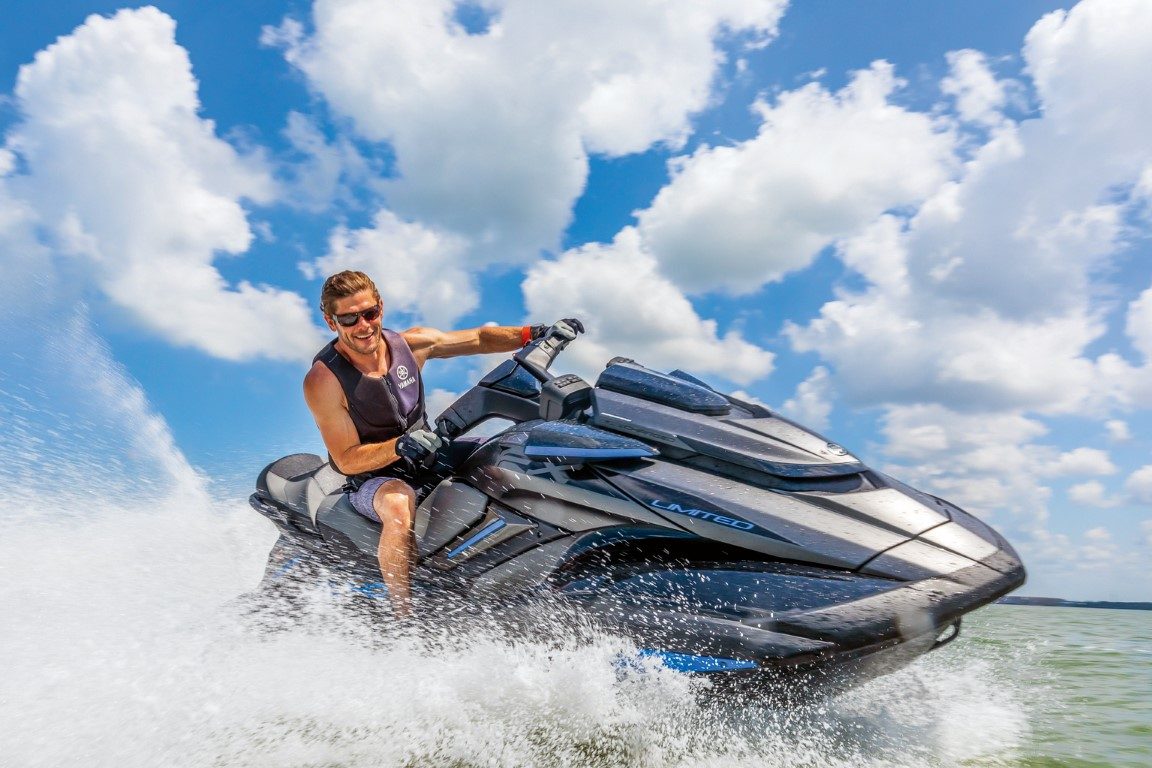
Hundreds of thousands of boaties are now using small paddle craft, like kayaks and stand-up paddle boards, as well jet skis. The numbers are going up fast. People using these types of craft don’t always know the risks they face. This summer there will be new pilot programmes to meet people on the beaches and provide them with simple, fun advice and help, including one by the Kiwi Association of Sea Kayakers.
Water Safety NZ will be reinforcing its message around constant active adult supervision of toddlers and small children at all times around water. This year already there have been six fatalities involving under-fives.
Water Safety NZ’s annual funding round will this year invest $2 million in drowning prevention programmes. The main focus is Water Skills for Life training in primary schools. Water Safety NZ is also investing in Māori drowning prevention and regional water safety strategies in the high risk areas of Auckland, Waikato and Bay of Plenty.
The month will end at St Mary’s Bay with Drowning Prevention Auckland running a family, have-a-go Water Safety Day with all our organisations involved.
Boating and water safety organisations will then continue their safety programmes and events through summer.
* Preventable fatalities are those where water safety sector intervention could have had an influence (for example where the victim was boating, swimming, diving) while non-preventable include events such as suicides, homicides and vehicle accidents (where water safety education and activity would not have prevented the death).
Yachting NZ back to mediation
A team from Yachting New Zealand will return to the mediating table at the end of November as they work to protect the interests of all yachties and boaties.
Yachting New Zealand is worried about proposed changes in the new Northland regional plan that will impose rules, costs and restrictions to yachties and boaties that aren't fair. A first round of mediation was undertaken last month when chief operating officer Andrew Clouston and lawyer Jeremy Brabant appeared alongside other appellants.
The present case is
just one of a handful Yachting New Zealand have been involved with and the
national sports organisation are always engaged on some level of advocacy on
behalf of clubs and their members and the wider yachting and boating community.
Another case is presently being heard on the Marlborough environment plan.
The highest profile
case was Plan Change 4, which was a proposed change to
Northland Regional Council policy governing the establishment and management of
aquaculture in Northland, which resulted in a positive outcome.
These cases are often
expensive and time consuming but are important, particularly to those into
cruising and boating.
The present case
covers a some of the same territory as that from Plan Change 4. Yachting New
Zealand are:
- seeking anchorages in
Northland that are important to boaties are recognised appropriately by
definition in the plan - seeking that these
anchorages are mapped on recognised maps within the plan - seeking that decisions
made in the Plan Change 4 to do with aquaculture are carried over to the new
plan which provides protection to anchor and safely navigate routes free from
the establishment of new aquaculture - arguing
against the extent of proposed marine pollution boundaries being imposed
that could make it unsafe and impractical for boaties to empty their tanks.
Rules are already in place through the Resource Management Act 1994 - arguing against
restrictive rules being put in place around cleaning of a boat's hull
while in the water - arguing against the
introduction of tight restrictions on the number of consecutive days boats can
spend in any one area
"Essentially,
we're seeking for the provisions in the plan to be pragmatic and achievable
without adding extra costs to boaties or introducing potential limitations on
how we enjoy coastal marine areas," Clouston said.
"While the
present case might relate to Northland, it could have implications for other
areas and we don't it to set a precedent for other areas which is why we think
it's important to get involved."
You can learn more about
the advocacy work done by Yachting New Zealand
here.
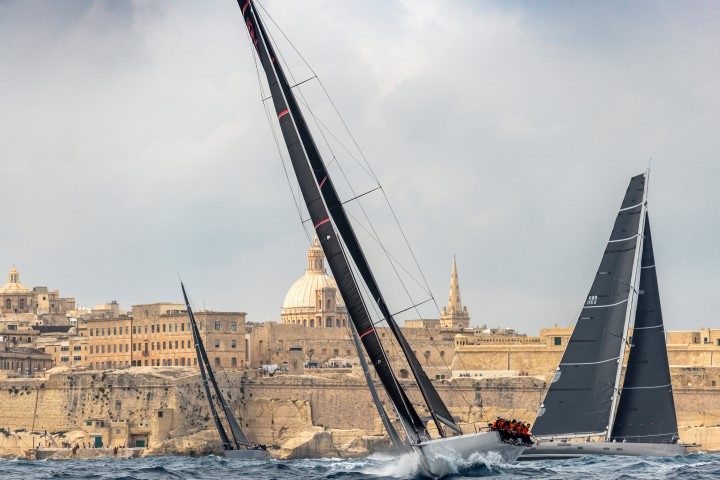
ROLEX MIDDLE SEA RACE
The 40th edition of the Rolex Middle Sea Race starts on Saturday, 19 October. First staged in 1968 and organized by the Royal Malta Yacht Club, Rolex has been the title sponsor since 2002.
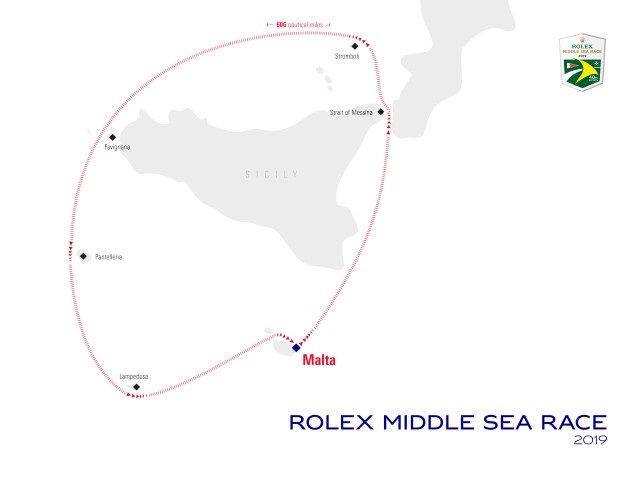
The 606 nautical mile race, which starts from Malta's Grand Harbour and takes in some of the Mediterranean’s most dramatic scenery, is always hugely popular. Last year, the 50th anniversary of the inaugural event drew a record fleet of 130. This year’s race has attracted another impressive entry of more than 100 international yachts.
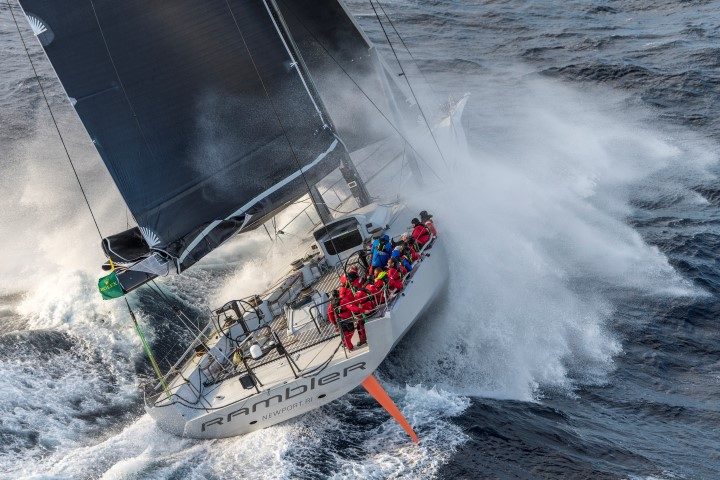
Among those vying for overall victory, several crews boast an impressive pedigree at Rolex-partnered offshore races. American yachtsmen David and Peter Askew arrive fresh from winning the 2019 Rolex Fastnet Race with Wizard, while Frenchman Géry Trentesaux, a Rolex Fastnet winner himself, will defend his 2018 Rolex Middle Sea Race crown with Courrier Recommandé. Two-time race winner Lee Satariano of Malta has entered with a new boat, Artie III.
The Rolex Middle Sea Race is one of several bluewater classics Rolex has supported since the early 2000s, including the Rolex Fastnet Race and the Rolex Sydney Hobart Yacht Race. Each about 600 nm, they attract passionate Corinthian and professional sailors, ready to take on the unique challenges. The races are united through a partnership with the brand, whose commitment to ocean racing dates back more than half a century.
STRINGENT TEST OF SAILING SKILL
The October race date was originally chosen because of the potential for challenging conditions in this area of the Mediterranean at this time of year. At some point, a powerful weather system will test the abilities of all competitors. Rolex Testimonee Robert Scheidt, a five-time Olympic medallist, took part in 2009: “We had really strong winds on one night; the heaviest sea I have ever faced in my career. It was really tough. Many boats had to retire because the second half was so rough. We were exhausted, but it felt great to finish.”
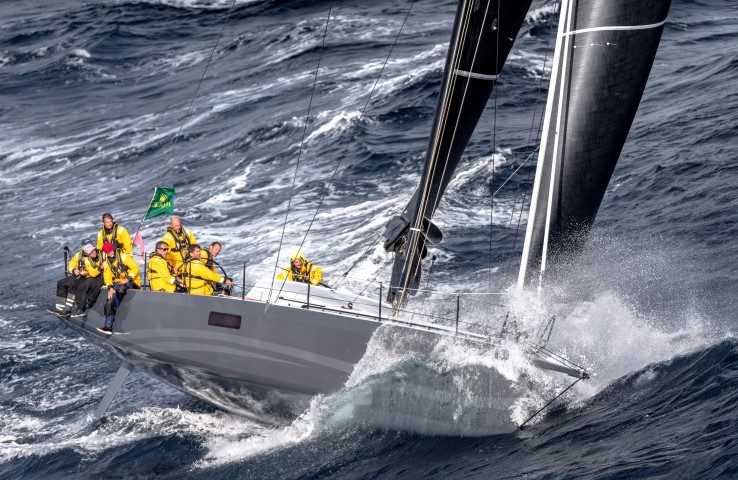
The complexity of the four-sided course, part of which tracks the eastern and northern coasts of Sicily before returning the fleet to Malta via the islands of Pantelleria and Lampedusa, means crews can also encounter benign conditions posing other difficulties. Reflecting this unpredictability, in almost 20 years of Rolex involvement, the race record has been bettered only once, despite the presence of high-performing, well-prepared yachts.
In 2007, American yachtsman George David made his race debut with his 27.43 metre (90 foot) Rambler. At the end of a storm-ridden race, in which only 17 yachts finished, David had swept the board, taking line honours and overall victory, and setting the current benchmark of 47 hours, 55 minutes and three seconds.
This year, David returns with his latest 27 m (88 ft) Rambler, the fastest boat in the fleet and with greater potential than the record-setting version. David is widely expected to achieve a fifth successive line-honours victory. The bigger question is whether he can improve upon the fastest time. A commanding performance at this year’s Rolex Fastnet Race, when the crew came within one hour, 16 minutes of the race record, suggests weather, not preparation or skill, will decide the outcome.
SPECTACULAR RACECOURSE
Another feature of the racecourse is its natural beauty. Two active volcanoes and scores of rugged islands combine with frequent contact with wildlife to create a special experience. The start resembles a film set, with the Grand Harbour echoing to cannon fire from Valletta’s Saluting Battery as the fleet is sent on its way.
“The Rolex Middle Sea Race is the most beautiful race I have ever done,” adds Scheidt. “I remember passing Stromboli at midnight with the lava coming down. It was dark, but we could see the whole volcano. That image is one I’ll never forget.”
IN THE ASCENDANCY
The challenge of the open sea is perpetual and the capacity of the Rolex Middle Sea Race to attract large fleets confirms an enduring enthusiasm for the race and sailing offshore. Rolex’s commitment to this element of the sport is long-standing and forward-looking. The brand’s strong partnerships with the clubs that organize these races provides abundant opportunities for those inspired to test themselves.

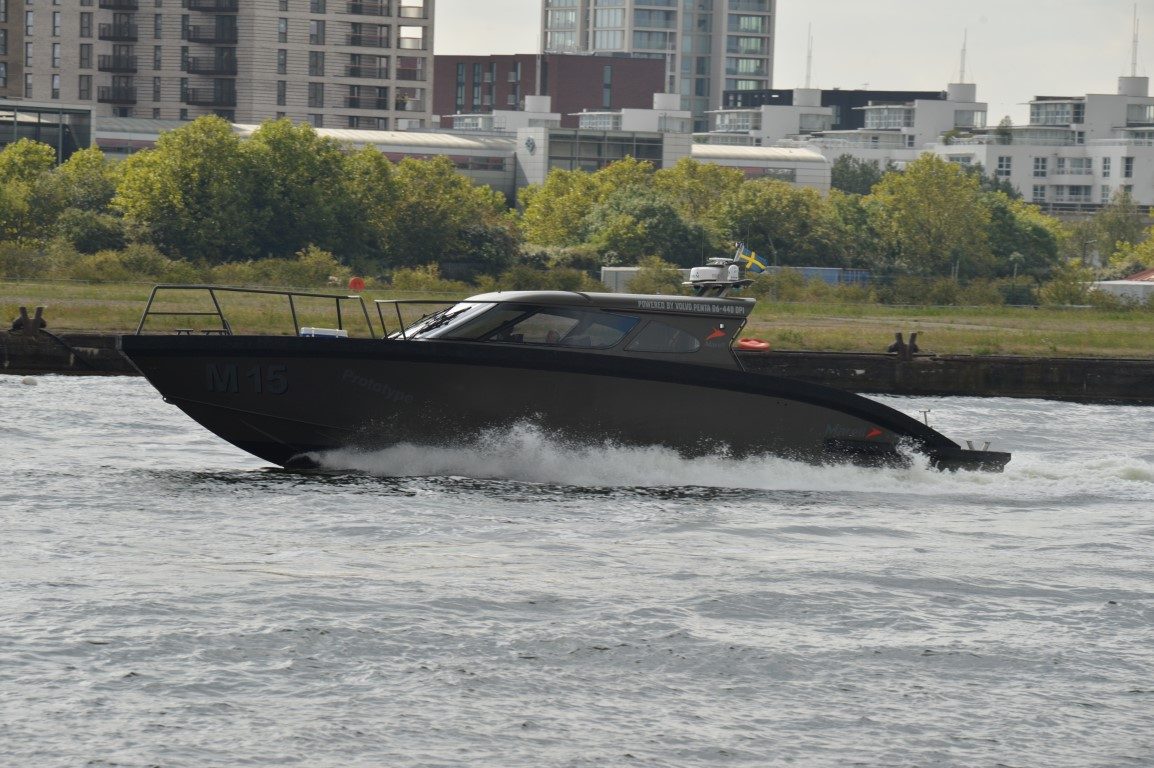
Volvo Penta’s latest D6 propulsion package set new standards for high-speed vessels
Volvo Penta’s latest D6-440 DPI propulsion system is the power behind Swedish boatbuilder Marell’s new 15m fast patrol boat. Equipped with twin D6-440 DPI sterndrives, the Marell M15 has a top speed of 45 knots and includes a fully integrated system from Volvo Penta, including its Electronic Vessel Control (EVC.2) and Glass Cockpit System.
The Marell M15 debuted at this year’s Defence and Security Equipment International (DSEI) show in London.
The new Volvo Penta D6 DPI package includes a new engine management system, new fuel injection system, new turbocharger, and a new supercharger. The cylinder head, pistons, and valves are re-engineered to withstand higher torque as well as meeting higher reliability and durability requirements.
The Aquamatic sterndrive DPI has a new hydraulic clutch for smooth, silent shifting and controlled slipping at low speeds, for greater manoeuvrability and higher comfort at low boat speeds.
In top specification, Volvo Penta’s D6 boasts 480hp and offers up to 10% more power across the range than its predecessor. The Marell M15 has a fuel consumption of only 3.4L/nm at cruising speed (40 knots) making this package very competitive compared to other propulsion systems.
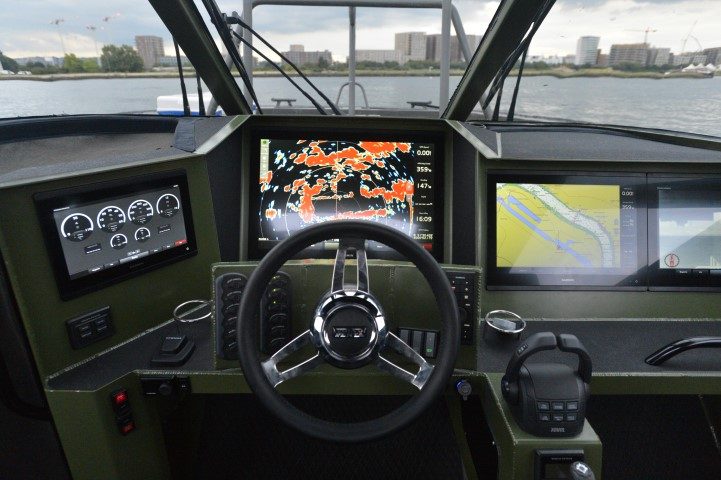
The navigator and helmsman sit in a unique ergonomically designed cabin equipped with the latest Volvo Penta technology – the EVC.2 and Glass Cockpit System. These control systems are a significant advantage.
This top-of-the-line boat – combined with Volvo Penta’s new propulsion and control packages – offers the highest speed in all seas, safe and trouble-free operations, unique performance and a patrol boat with the best acceleration and maneuverability in this class.

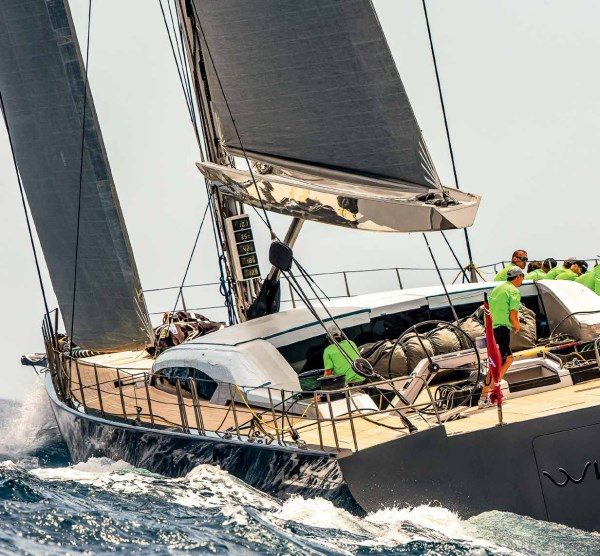
WIN WIN TAKES SUPERYACHT HONOURS
Win Win lived up to her name and emerged as the overall victor of the recent Superyacht Cup at Mallorca’s Palma Bay after three days of close racing.
The final St Regis Race was held on what proved to be the clearest day of the 23rd edition of Europe’s longest-running superyacht regatta, the Mallorcan mountains providing a stunning backdrop to the drama being played out on the water.
In Class A the 33m Win Win was able to secure her third successive victory, this one by the narrow margin of just 33 seconds on corrected time ahead of Nilaya. The triumph is a second SYC win for the Javier Jaudenes-designed Baltic Yacht-built boat, which also topped the table in 2016.
Said delighted skipper Ryan Taylor: “We are very happy – we worked for it and it wasn’t easy, but it was nice clean racing and we just kept it simple. The owner is very happy!” It was Class B that saw the closest racing, with three different winners in each of the races. Overall Topaz edged a single point ahead of her J-Class rival Velsheda to win the class, with the lightweight flyer Missy only a point further back in third.
Class C meanwhile went to the gorgeous 30m Stephens Waring Yacht Design Spirit of Tradition yawl Bequia, with Huckleberry and Kealoha tied on points in second and third.
The 24th edition of The Superyacht Cup Palma will be held from 17 to 20 June 2020.
CLEARING CUSTOMS IN WESTHAVEN
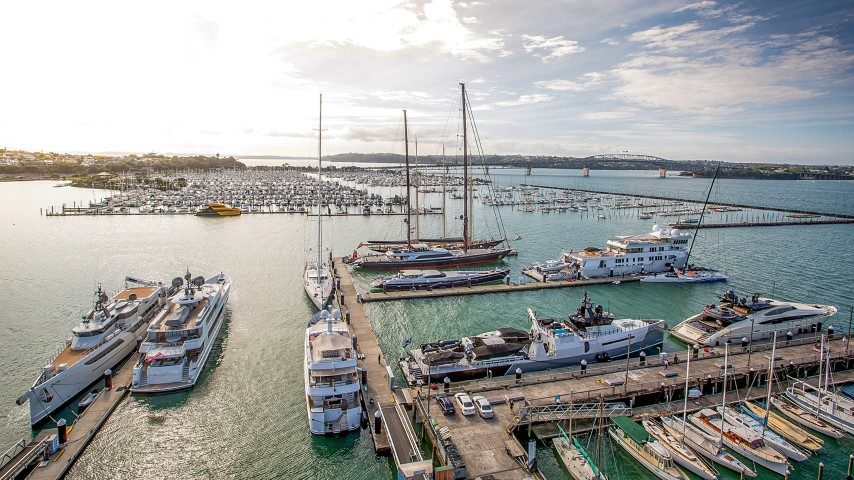
Panuku Development Auckland has established a new Port of First Arrival (PoFA) berth that enables vessels under 25m to clear in and out of customs from Westhaven Marina.
Westhaven manager Kevin Lidgard says the service will enable vessels visiting New Zealand to sail directly to Auckland to undertake refit, maintenance, and provisioning.
Around 600 boats visit New Zealand each year, including boats owned by New Zealanders returning to the country, a number expected to grow with the upcoming America’s Cup.
Vessels over 25m in length are catered for by facilities at nearby Viaduct and Silo Marinas but since the closure of the ‘Admiralty Steps’ several years ago, smaller boats arriving in the country have been required to arrive in Opua or Marsden Point – both many hours from Auckland by water.
“Yachts clearing into Westhaven will support the industry of marine services that are based in the area,” Lidgard says. “This includes major refits and small touch ups that need to be undertaken while visiting New Zealand.”
The marina has also just established a new berth for commercial vessels such as ferries to load passengers at its commercial base at Z Pier.
For more information visit www.westhaven.co.nz
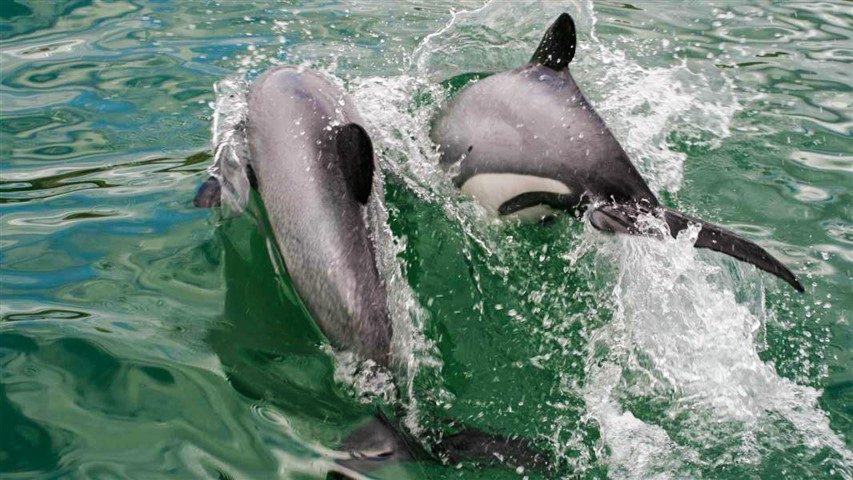
BAN SET NETS TO SAVE DOLPHINS
The International Whaling Commission is calling on the government to stop commercial fishing with set nets and trawling in the range of Maui dolphins.
In a recently-released report the commission says it holds ‘grave concerns’ for critically-endangered Maui dolphins.
Forest & Bird marine conservation advocate Anton van Helden says as there are only about 63 Maui dolphins in the world the commission’s message should be heeded.
“New Zealand is usually on the side of whales and dolphins with our decades-long call to end whaling, but this time it’s the International Whaling Commission telling us to sort ourselves out. It’s time to stop fishing activities that pose a risk of endangered dolphins being caught as bycatch in set nets in New Zealand waters.”
Last year the commission issued recommendations to help prevent Maui dolphins from becoming extinct. These included “closures of any fisheries within the range of Maui dolphins that are known to pose a risk of bycatch to dolphins (i.e. set net and trawl fisheries).”
Forest & Bird recently launched a petition calling on the government to put in place a zero-bycatch goal to protect threatened species from commercial fishing.
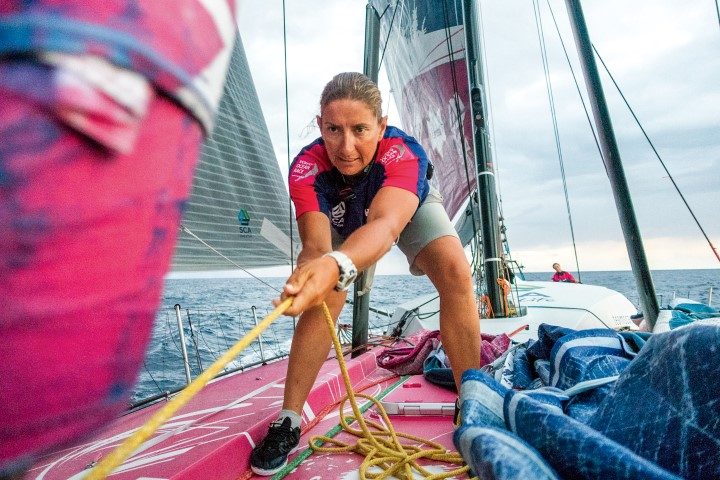
REVIEW OF WOMEN IN SAILING
The World Sailing Trust has launched a global survey of women in sailing, looking at trends within sailing and the wider industry around gender disparity.
Part of a wider strategic review focused on increasing gender diversity across the sport, the survey will provide recommendations and actions for partners across the globe looking to be part of this change.
The results of the survey will be combined with research into global best practice, to form a series of recommendations and a programme of work to support women and girls across all areas of the sport.
Says Dee Caffari, Chair of the World Sailing Trust: “We want to understand more about women and girls in sailing: what attracts them, what puts them off, why they drop out, the perceived and real barriers to participation that they might face and how this varies across countries, ages, classes and competition and different elements of the sport – racing vs recreational vs officials.
“To complement this knowledge we also want to understand how women and girls’ participation could be increased and we strongly encourage the whole sailing and marine community to participate in the survey and tell their own story.”
Set up in 2018 by World Sailing, the World Sailing Trust has three areas of work which are closely linked – marine health, access and youth pathways.
The Strategic Review is being led by Victoria Low, and she and the team are keen to hear more from any individual with an interest in this area, and would encourage them to get in touch direct at Victoria.low@worldsailingtrust.org.
The initial findings of the Strategic Review will be presented to World Sailing’s stakeholders – Class Associations, Member National Authorities and Committee members – at World Sailing’s 2019 Annual Conference in Bermuda by Victoria Low and Hannah Goldie, the Trust’s Head of Fundraising, in October. Further insight will be delivered to the wider sailing and marine community at the Yacht Racing Forum in November.
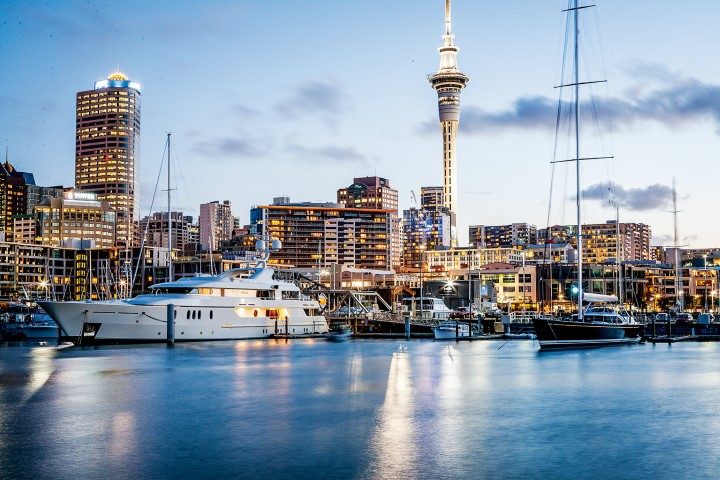
RNZYS’ 150TH CELEBRATIONS
A jam-packed 2021 is on the cards to mark the Royal New Zealand Yacht Squadron’s 150th birthday – a ‘sesquicentenary’ celebration that coincides with Auckland hosting the 36th America’s Cup. These events include J Class racing, superyacht regattas as well as offshore and New Zealand-based races.
RNZYS Vice Commodore Aaron Young says a race to Kawau Island on New Year’s Eve 2020 kicks off the celebrations, followed by the Kawau New Year’s Day Regatta, and then by a Kawau to Great Barrier Cruise from the 3 – 6 of January. The Squadron has also secured two offshore races for the year. The first is from Sydney to Auckland in conjunction with the Royal Prince Alfred Yacht Club, starting on 1 February. The second is a race from Auckland to Southport Yacht Club in Queensland, starting on the 1 June.
In what is one of the most anticipated additions to the calendar, the Squadron hopes to attract a number of J Class Yachts with planned sailing in the Bay of Islands in February, and in Auckland in early March. J Class yachts are 40-45m long and have a crew of 30-plus professional sailors on board. They were used in the America’s Cup during the 1930s.
A superyacht regatta has been locked in for the 25 – 27 February in Auckland (organised by RNZYS), likely to be the biggest ever been seen on New Zealand waters. Dates are to be confirmed for the America’s Cup Christmas Regatta, but it is expected to take place sometime in December 2020/January 2021, and the PRADA Cup Challenger Selection Series in January / February 2021.
Steve Armitage, the general manager of Auckland Tourism, Events and Economic Development (Destination) says 2021 is going to be an unprecedented year for the region.
“Auckland is gearing up to host a mega year of events starting with the 36th Cup, the Squadron’s 150th and finishing with APEC Leaders’ Week. There will also be a diverse array of international sporting events such as the Women’s Rugby and Cricket World Cups, World Softball Championships, the national kapa haka festival, Te Matatini, along with the exciting annual events calendar.
“We’re looking forward to welcoming the world here and showing off Auckland’s stunning natural attributes, culture and city sophistication.”
For more information contact Andrew Delves – adelves@rnzys.org.nz
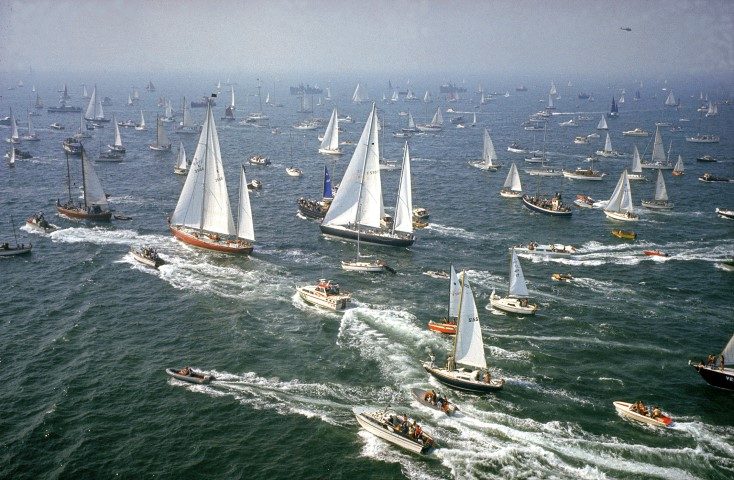
RETRO WHITBREAD IN 2023
The spirit of the Whitbread Round the World Race is back with the announcement of the 2023 Ocean Globe Race, a retro event starting from a European port in September 2023 to celebrate the 50th anniversary of the original race.
Organised by Australian adventurer Don McIntyre along similar lines to the highly successful 2018 Golden Globe Race (which he also founded), the 2023 Ocean Globe Race (OGR) will follow the original Clipper ship sailing route around the globe, just as the Whitbread Race did in 1973.
The course traces the classic four-leg route from Europe to Africa and on to Australasia, then back via a South American port: 27,000 miles and seven months passing under the three great Capes.
The final course will be published in late 2020, together with the Final Notice of Race. Cities in the UK, Europe, South Africa, Australia, New Zealand, Argentina, Uruguay and Brazil are being invited to bid to host the ports of call.
This retro race will be sailed on yachts similar to those entered in the first Whitbread, with technology limited to what was available to those 1973 pioneers. That means no hightech materials, computers, satellite systems (including phones and GPS), as well as mobile phones. Navigation will be limited to sextant plots on paper charts, communications via SSB and VHF radios, and music will be played on cassette tapes.
Entries are limited to ‘approved’ fibreglass production yachts designed prior to 1988, from 47ft (14.32m) to 66ft (20.11m) LOA segregated into two groups:
ADVENTURE 47 to 56ft (14.32-17.06m) & SAYULA 56-66ft (17.07-20.11m) classes. In addition, original entries from the first three Whitbread Races (1973-4, 1977-8 and 1981-2) together with ‘class-surveyed’ production sail training yachts up to 68ft (20.73m) make up a third FLYER Class.
The fleet is limited to a maximum of 30 yachts and the Race will be sailed under the International Collision Regulations. Each yacht must also include at least one woman and youth crew aged under 24 at the start of the race.
For further information visit:
or email Don McIntyre at


