
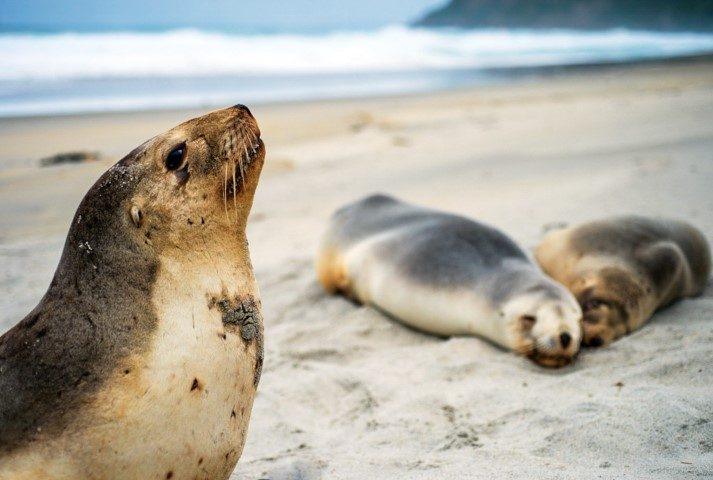
LIFE-LINE FOR SEA LIONS
Forest & Bird is proposing the establishment of a new protected zone for sea lions off the remote Auckland Islands, calling it a win-win for New Zealand sea lions and commercial squid fishing.
The organisation says the plan – which would see the creation of a temporary trawl-free area around the Auckland Islands – is based on satellite tracking data. This protection area would protect most breeding female sea lions and barely impact the trawl boats which can kill the animals.
NZ sea lions are one of the rarest sea lions in the world, with fewer than 12,000 individuals. At the main breeding location, the Auckland Islands, pup production has declined by approximately 55 percent since 1998.
Seven sea lions have been confirmed dead in trawl nets around the Auckland Islands this year, although the number is likely to be higher as not all dead or injured sea lions are seen and accounted for.
“Forest & Bird’s temporary sea lion protection area is based on research that shows most breeding females hunt within a limited area as they have to return to shore to feed their pups,” says Katrina Goddard, Forest & Bird Ocean Advocate.
“By making the most of their vital foraging grounds, we can reduce the risk to most of these mums and their dependent pups, while leaving 83 percent of the overall squid fishing area available to the trawl boats.”
The organisation has criticised Fisheries NZ’s three options for the squid trawl fishery, for allowing increasing options for sea lion deaths in trawl nets.
“None of Fisheries NZ’s proposals for managing the squid trawl fishery will save our precious sea lions. Fisheries bycatch is the most significant human threat to sea lions and the only one that can be actively managed, and we must try to bring it as close to zero as possible,” says Ms Goddard.
“Forest & Bird’s proposal is a win-win scenario for New Zealand sea lions and for the fishing industry. The sea lion protection area won’t have any impact on the squid trawl fishery, but will significantly help our sea lions.”
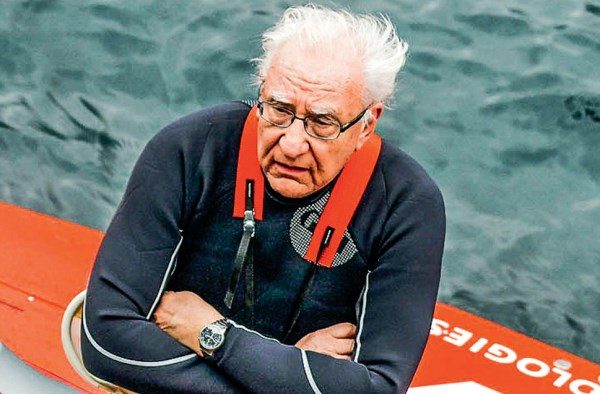
RACE IN PEACE
One of the world’s most colourful powerboat racing legends – Italian Fabio Buzzi – died in a September accident doing what he loved best: racing over the water as quickly as possible. He was 76.
Buzzi was attempting to break the offshore speed record between Monte Carlo and Venice when his boat hit an artificial reef at 80 knots. Two other crew members were also killed, while a fourth person was treated in hospital for injuries.
Widely regarded as the man who transformed offshore powerboat racing, Boating New Zealand featured him in our June 2018 issue. His name appears on 10 offshore world speedboat championships titles, as well as 45 world titles established in vessels designed by him. And there are more than 50 other speed and endurance records.
His latest record (in March 2018) was aboard a ‘three-point’ hull on Italy’s Lake Como. At the age of 75 he set the world speed record for a dieselpowered motorboat: 277, 515km/h (149.84 knots). He also established a record as the world’s oldest marine speedster!
Fabio Buzzi founded his Italy-based FB Design Group in 1971 and it subsequently became one the world’s leading manufacturers of high-speed powerboats.
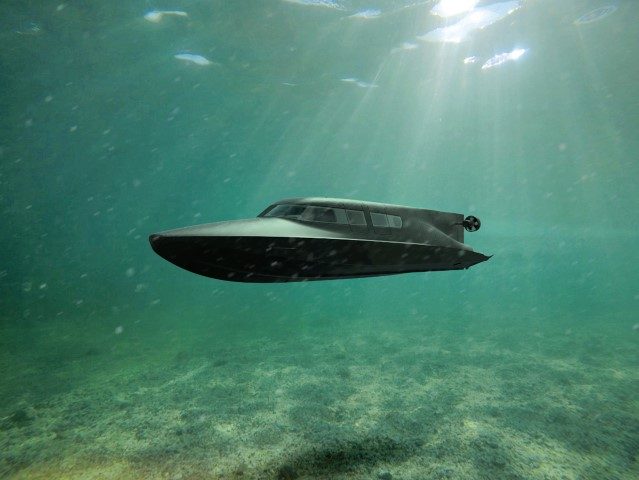
NOW YOU SEE IT…
The sleek 12m British-built craft – known as the Victa – is controlled by a two-man crew and can carry an additional six commandos. They all wear diving gear because the cockpit floods as the vessel submerges.
Dropped from a helicopter or released from the hull of a Royal Navy sub, the vessel can reach a speed of 40 knots across the water. At the flick of a switch though, it turns into a submarine and can dive to almost 30m.
Its 725hp Seatek diesel engine powers two Kongsberg Kamewa waterjets, giving it a surface range of up to 250 nautical miles. Submerged, its Twin Marine Propulsion 20kW electric thrusters – running on lithium-ion batteries – give it a cruise speed of 6 knots. Four vertically-mounted Copenhagen thrusters provide accurate slow-speed depth control.
Its compatibility with a standard ISO shipping container means it can be easily and discreetly moved to an area of operation while, equally, it can be lifted within the cargo bay of standard airtransports, most typically, the Lockheed C130 Hercules, or underslung from heavy- lift helicopters, typically the Boeing CH-47 Chinook.
With fly-by-wire controls the craft is ‘flown’ underwater, with roll and pitch control through forward and aft hydroplanes.
The Victa is made by SubSea Craft in Gosport, Hampshire, and features elements contributed by Olympic sailing champion Sir Ben Ainslie from his racing yacht designs.
Says the Royal Navy: “For decades, we’ve been waiting for a vessel to be developed which is effective on the surface of the water and below. The enemy won’t be able to see or hear us coming. Given the threat to British ships in the Strait of Hormuz, its arrival is very timely.”
Patented Ullman Dynamics moulded seats and advance shock-absorbing systems provide a comfortable ride even at high surface speed and can easily be reconfigured or removed to suit mission requirements.
For more information visit www.subseacraft.com
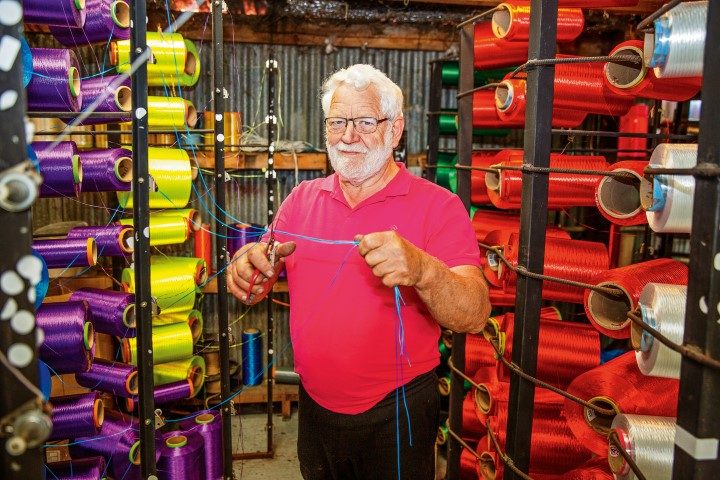
TAILORED ROPES
Fourteen years ago, Ian McFarlane, a keen sailor, decided to jump ship from his 28-year career in textile and product development to set up Nautilus Braids in Springston, near Christchurch.
“I’ve sailed most of my life and have plenty of experience with textiles, so it made sense to start a business to supply the marine industry with ropes made from high-performance, multi-filament polyester and synthetic materials.”
The successful business now employs five staff and supplies ropes to the marine, equine, caving, dairy and civil construction sectors.
McFarlane says it’s impossible to compete with mass-produced Chinese ropes, so he focuses on tailor-made ropes designed to meet his clients’ specifications. He relies on good internet connectivity to send drawings to clients, along with emails discussing applications and requirements.
“For example, riggers setting up a new or secondhand boat will describe applications for the rope and send through plans. We interpret their needs, make a rope sample, send it to them and then continue the discussion by email.”
Based in rural Canterbury, the team has also created valuable innovations for local farmers, products which are now sold globally.
“My neighbour had a problem with a cord used during milking. When cows are milked on a rotary platform, there’s an ACR cord which pulls the milking cups off the udders. If the cord breaks, the cluster of cups falls into the effluent which is a real problem.
“We developed a hard, durable cord with an increased twist level. We manufacture 168,000 metres of it per year for the New Zealand market and now sell it into Australia, Ireland and the US.”
Along with discovering new markets online, he also uses the internet to research and source high-tech fibre and machinery.
“We’re always breaking into new areas, and sometimes need to modify our machines. We’ve sourced new carriers for our braiding machines when we had requests to braid wire for safety harnesses and to make bungies for electric fences. I found the manufacturer online and we had ongoing communication to get the right product.
“We can do a quick turnaround and produce excellent custom-made rope. We recently had an email from a guy in the US who is testing our ropes for a dairying application. He said they are 2.6 times better than anything he’s had before, and he wants to start a business relationship.”
Nautilus Braids is currently upgrading its website which will soon provide plenty of technical information for customers – covering topics such as how ropes stretch, or the impact of knotting rather than splicing ropes.”
BIODEGRADABLE, SINGLE-USE BBQ
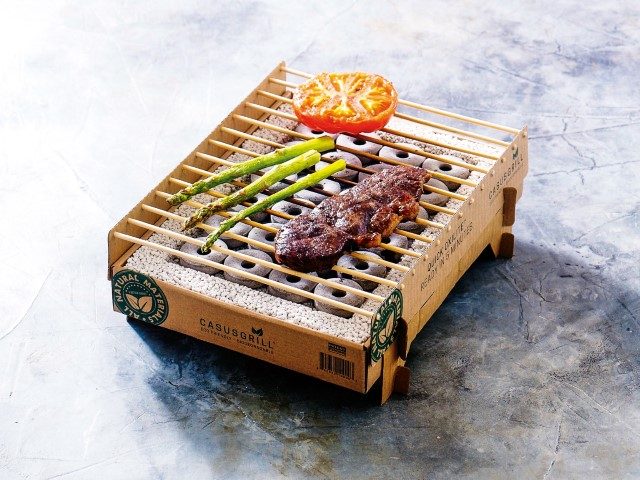
The ‘barbeque with a conscience’, the CasusGrill™ is the ideal accessory for boaties, foodies and eco-warriors. It uses nature’s own building blocks, brought together in a simple Danish design, to offer the best and easiest way to cook outdoors.
Constructed from sustainable materials, the unit uses lightweight lava stone, natural bamboo, Quick Oxylite™ bamboo charcoal briquettes, and cardboard. Once lit, the briquettes are ready to grill in five minutes and will retain their heat for more than 60 minutes. The disposable nature of the grill also makes it ideal for travellers.
The CasusGrill™ is distributed by Epicure Trading and is available for approximately $19.95 from outdoor living, gourmet food and kitchenware stores and selected supermarkets.
For more information visit www.epicuretrading.co.nz
Maritimo Racing wins in Shanghai
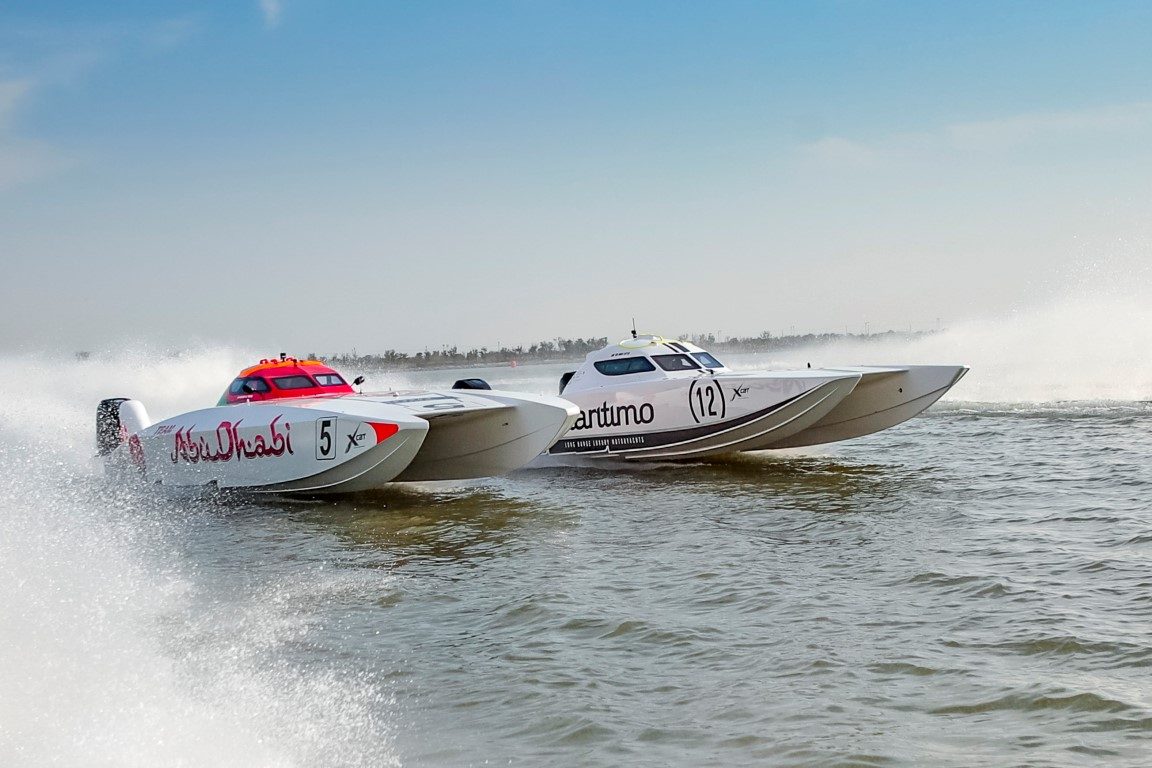
Australian luxury motor yacht manufacturer, Maritimo's international Racing Technologies Division is on a high with its new R30 XCAT performing strongly in Shanghai resulting in Maritimo Racing taking out two of the three races in round two of the UIM XCAT World Championship in early November.
The new R30 was only having its second outing after a strong
debut in Italy earlier this year.
The new hull and design package benefiting from further
testing and development back in Australia, after Maritimo Racing shipped their
XCAT and equipment back to Maritimo Racing’s Technology Centre in between
rounds one and two for modifications and upgrades.
“The team have worked tirelessly on developing the setup to
improve performance since Italy, and we continue to find more pace with what
was already a fast package out of the box,” said driver Tom Barry-Cotter
"The new R30 advantages are seen in its handling and
balance characteristics with the new design carrying noticeably higher
cornering speeds to the rest of the competition in Shanghai,"
"The R30 differs radically in appearance to the rest of
the competition when at speed, but we are very comfortable in the cockpit and
the boat is proving extremely predictable in its handling characteristics.
Barry-Cotter, who raced the R30 with veteran offshore
powerboat campaigner, Ross Willaton, said a fuel pressure issue in the first
race of the Shanghai series saw Maritimo drop back from fourth to sixth
position in the closing laps with a podium position in sight.
The following two days were a different result he said, as the wins in Shanghai close up the
championship with just six points separating the top three boats with three
races to go in the final round in Dubai in December.
The team now turns its focus to the final Round of three
races in Dubai December 12-14 where the UIM XCAT World Championship will be
decided.
"The team is already back in Australia working on
upgrades for the final round, as we know we need yet more pace and more
important reliability to bring to the decider" he said.
A JOYSTICK TO FLY
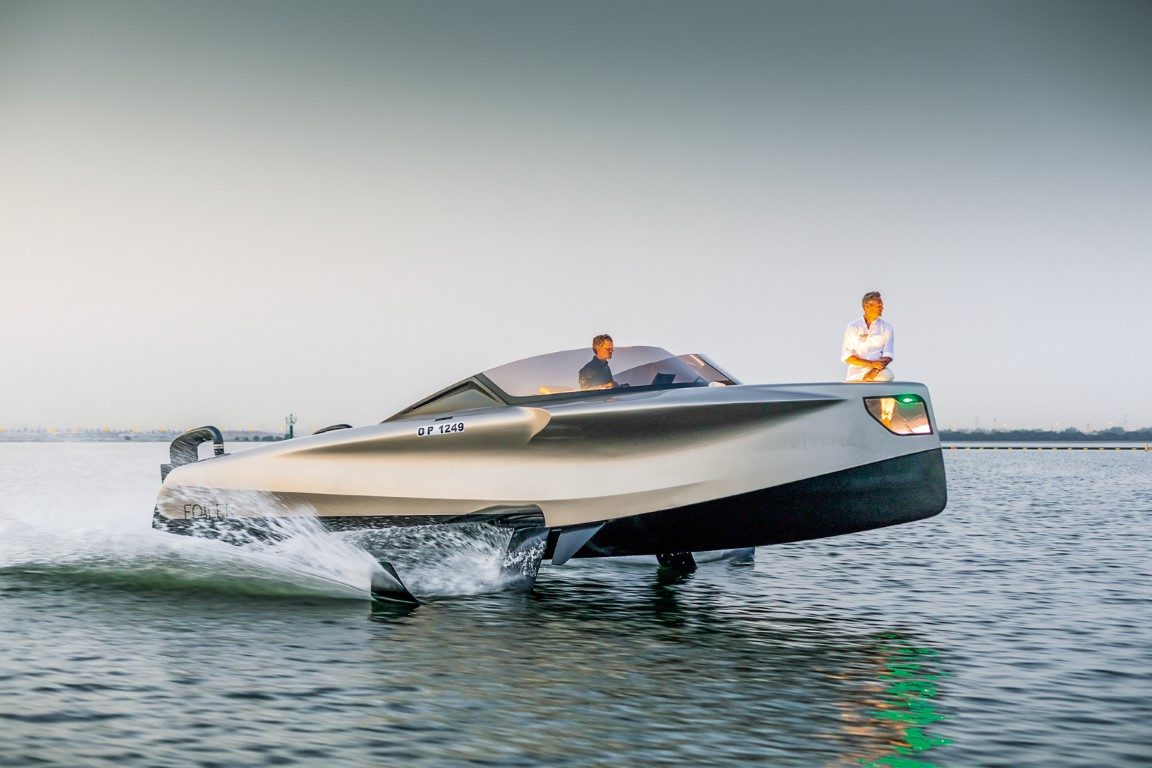
UAE-based boatbuilder ENATA has released a new version of its Foiler – a ‘flying boat’. This one features a joystick and a more efficient industrial-grade hydraulic propulsion system.
Built in carbon-fibre, the new Foiler now also boasts a forward cockpit with a joystick that gives passengers a sense of flying above the water. From the traditional driving console, with its wheel and throttle, the skipper can choose to activate the joystick. Pushing forward or pulling back adjusts speed from a standstill up to 40 knots. Tilting to either side controls the direction.
Four hydrofoils, like wings in the water, lift the vessel 1.5m above the waves as it reaches a speed of 18 knots, with an effortless and progressive take-off and landing.
An additional benefit is that the Foiler virtually eliminates seasickness, keeps passengers dry from spray and splashes, and avoids discomforts such as back pain from bumpy rides.
This model carries a significant upgrade to the previous hybrid propulsion system – it’s been replaced with a more efficient industrial-grade hydraulic propulsion system. It is powered by twin V8 marine diesels, developing 740hp.
At the touch of a button, the hydrofoils are completely retracted so the Foiler can be used as a normal boat, able to venture into water just 60cm deep and to dock at a pontoon or a superyacht.
For more information visit www.Foiler.com
BOI MARINA IS TOPS
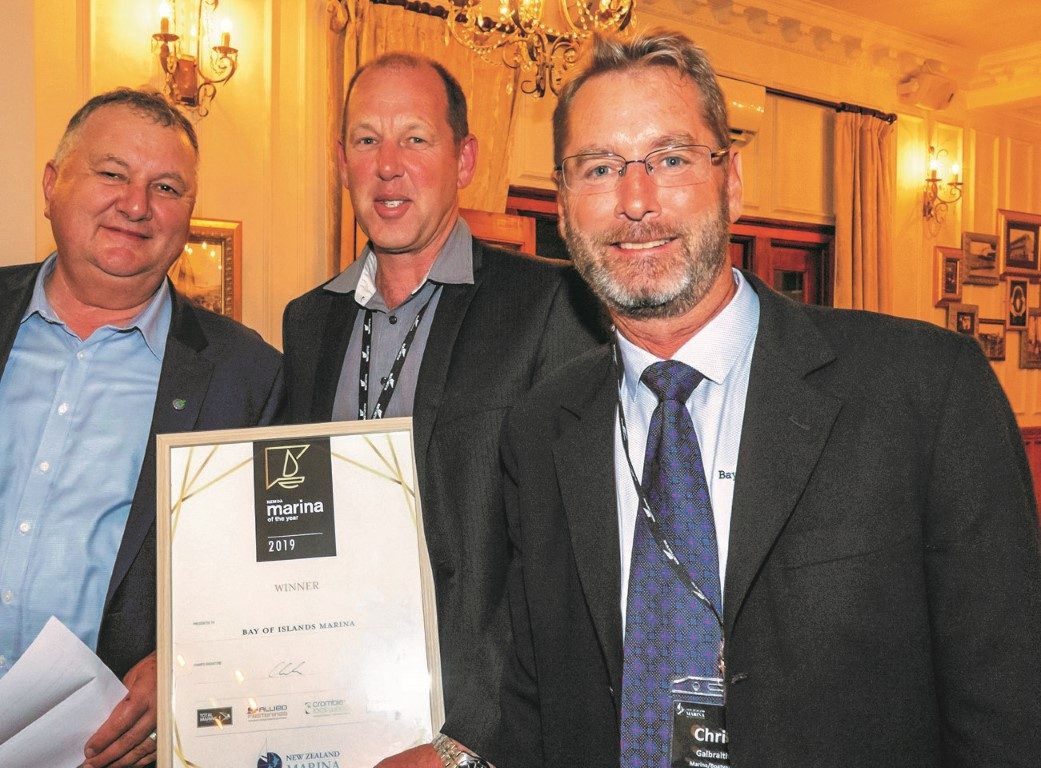
Bay of Islands Marina nabbed the top gong at a recent New Zealand Marina Operators Association (NZMOA) event in Russell, collecting the Marina of the Year Award.
Judges were impressed with the marina management’s vision, forward thinking, design initiatives and focus on local and regional development. The Marina attracts vessels from throughout the South Pacific and contributes to the well-being of its region in numerous ways.
While Bay of Islands Marina is built on one of New Zealand’s oldest port sites, one of the country’s newest marinas also received special commendation from judges. Te Ana Marina in Lyttelton, which opened in May 2018, was recognised for reviving recreational boating in Canterbury.
Its environment-focused designs, developed in conjunction with Iwi, and the creation of a new destination for boaties and visitors were particularly noteworthy.
A small, privately-owned boatyard, Bridge Marina Travelift Ltd, received the Boatyard of the Year Award for its ability to maximise its use of space and to think outside the square, particularly in relation to the impressive water filtration system it developed.
The 500-berth Tauranga Bridge Marina Ltd won the overall award Best Environmental Performance category for implementing environmental initiatives within a marina that was built in a time when different environmental standards were in place. This includes facilities for recycling and infrastructure for sewage pump-outs. With a self-flushing design, this marina promotes pristine water clarity and abundant marine life.
Organised by the New Zealand Marina Operators Association, the awards were established to recognise and celebrate excellent practice in the marina industry.
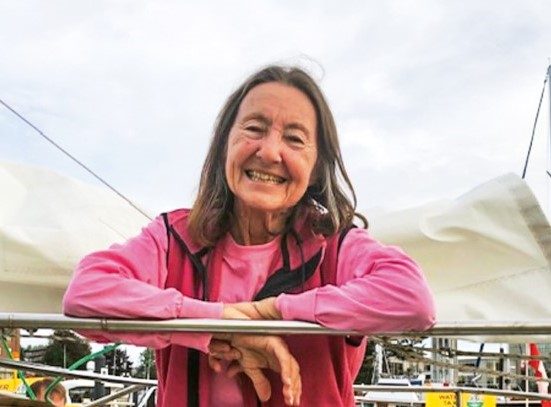
AGELESS SOCRATES
A 77-year old Canadian woman has sailed into the record books as the oldest person to sail alone around the world.
Jeanne Socrates’ achievement was recognised by the UK-based Ocean Cruising Club (OCC) when she sailed into Victoria BC Harbour on 7th September, having successfully completed the single-handed unassisted nonstop circumnavigation.
Jeanne set sail from Victoria on the 3 October 2018 on Nereida.
The yacht suffered severe mainsail damage in the Cape Horn area which took a long time to repair. It also suffered a knock-down SW of New Zealand. She entered Timaru Bay in the South Island to make repairs, and later lost her headsail in the North Pacific.
The OCC is the ‘home port’ for those who have sailed long distances across big oceans. With 48 nationalities represented among almost 2,900 members and Port Officers around the world, it has a more diverse membership and a more international reach than any other blue water sailing organisation.
OCC exists to encourage long-distance sailing in small boats. A Full Member of the OCC must have completed a qualifying voyage of a non-stop port-to-port ocean passage, where the distance between the two ports is not less than 1,000 nautical miles, in a vessel of not more than 21.36m LOA.
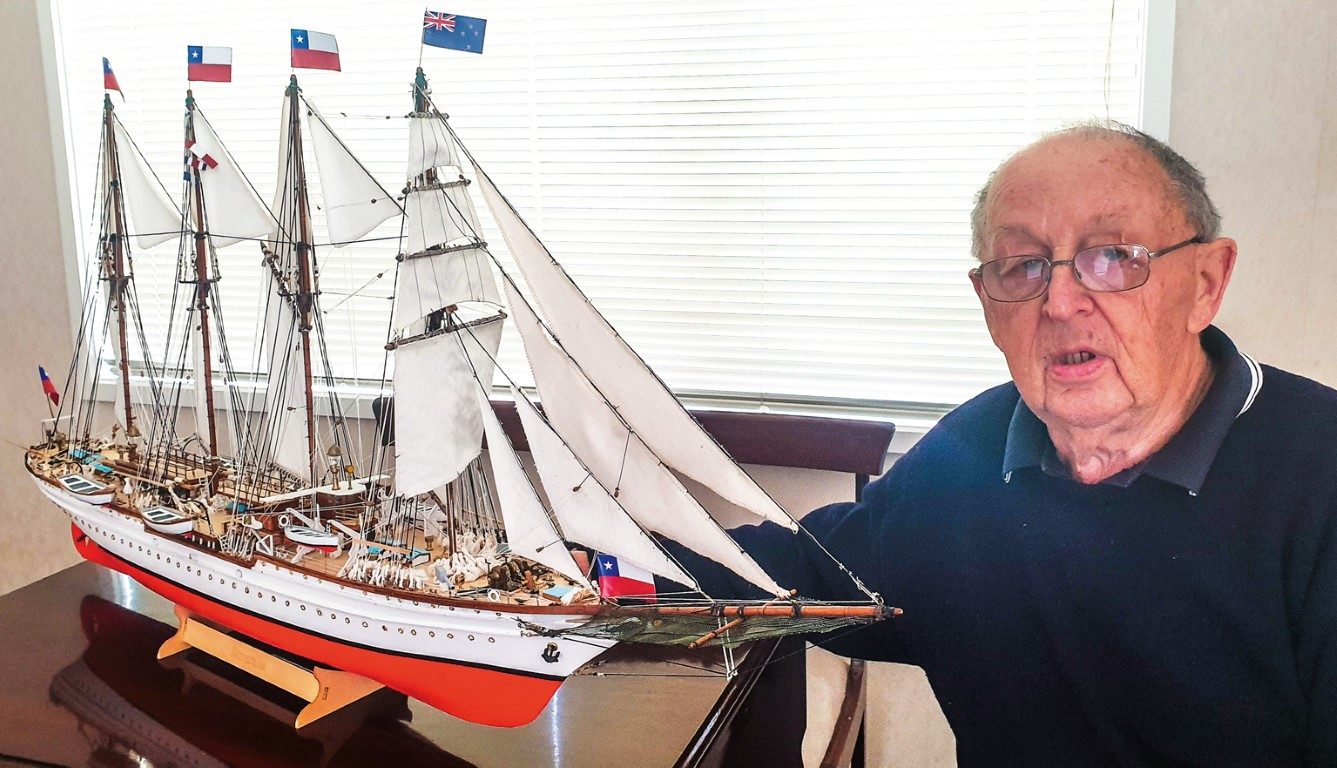
MINIATURE TALL SHIP
The story in our September issue about the Chilean tall ship Esmeralda prompted reader Bruce Croll to submit this letter.
I grew up on Waiheke Island where my family had lived since 1911. Our family managed Fred Alison’s sheep farm of 2,200 acres at Matiatia.
On Friday, 23 June 1961, I borrowed Fred’s telescope and went up to the WW2 observation post above the wharf in Matiatia and watched the Esmeralda sail out from behind Rakino, go behind Motatapu and Rangitoto before finally showing up off East Coast bays.
I went back to the Alison family home to return the telescope and listened to Fred tell me more great old boating stories.
Three years ago we were in Taupo and visited a hobby shop, and in the window was a kitset of the Esmeralda. I went back to the motel to watch the 6pm news and there was the Esmeralda steaming up the Waitemata – that very day! I knew I had to go back and get that model.
I thought about what she had been used for in Chile – not the ship’s fault – so I bought the kitset and finished it a year later.
Never regretted that decision.
We visited the Esmeralda on her latest visit and went on board – absolutely in awe! Showed the officers photos of the model I’d built and could have sold it a hundred times over. No way!
Bruce Croll
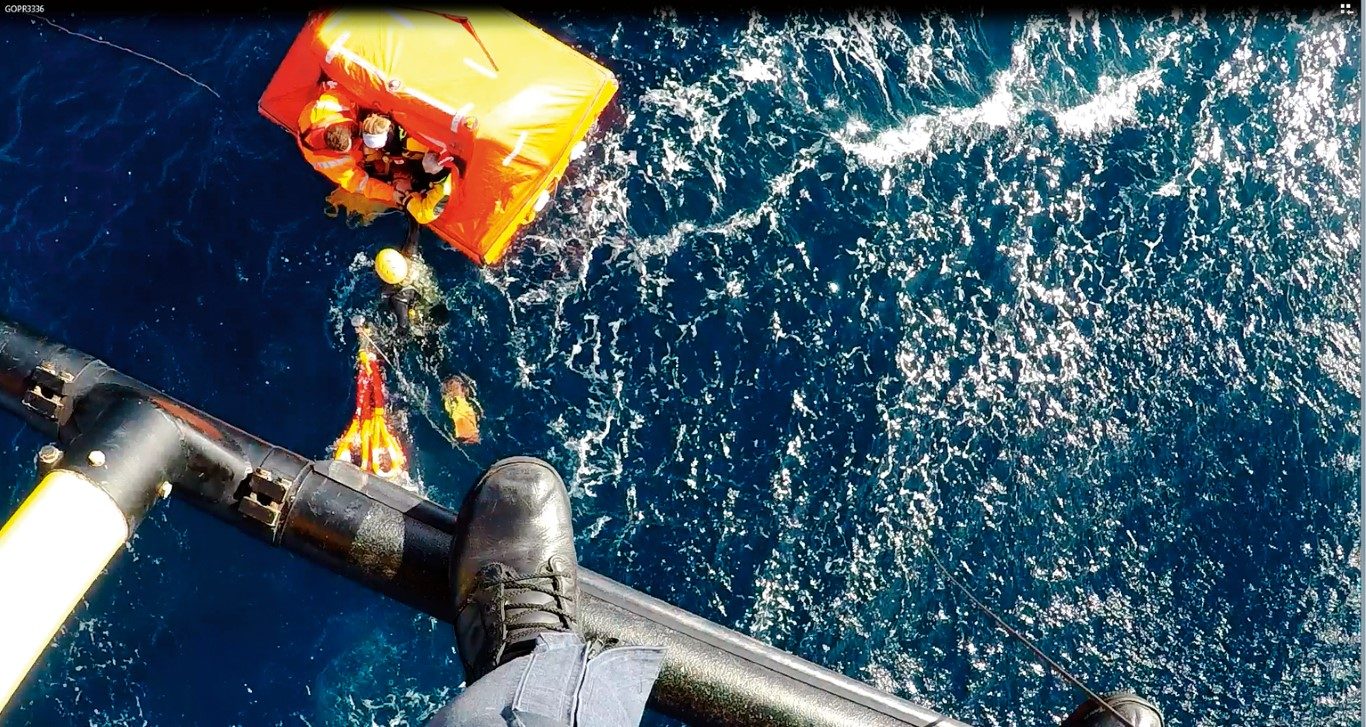
BLUEWATER PRODUCTION BOATS?
A reader responds to the Mayday feature in our September issue – a story which covered the rescue of a crew of four when their yacht’s rig failed.
To me this article highlights the unsuitability of lightweight, mass-produced-to-a-price European boats being used in the Pacific Ocean. A 20mm stainless rod with a thread was never going to last in the Pacific. IMHO this should have been a 50mm rod with a serious connection.
Stainless steel is hard but brittle and can also corrode.
The Med maybe gets to 70 knots with some low-fetch swells. I personally have been in 90 knots constant and 15m swells on a cruise ship. I would only risk those conditions in a Salthouse or other substantial NZ boat.
By falling apart that Jeanneau endangered many lives.
Jim Glover, Process Engineer
I think it’s worth pointing out that there are hundreds of European production boats tackling bluewater passages all over the world at any given time. Also, this Jeanneau’s stainless steel rod failed in fairly modest conditions, suggesting that crevice corrosion might have been the actual cause – not the strength of the wind or state of the sea. Ed.
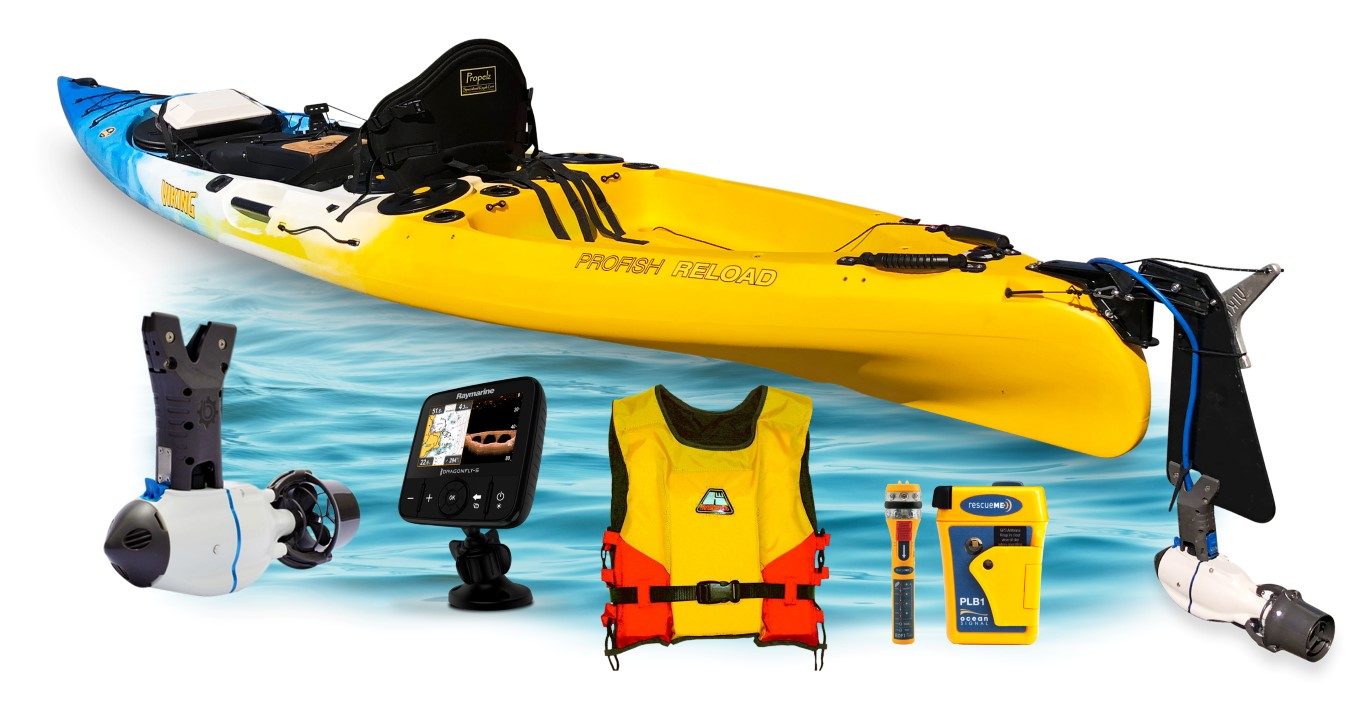
$8000+ Viking powered kayak to be won!
Tickets to the 2020 Hutchwilco New Zealand Boat Show will be available on line from December 1 at www.boatshow.co.nz.
The online tickets not only give faster access into New Zealand’s favourite boat show, they also automatically go into a special draw for a Viking Kayaks’ ultimate fishing kayak package, worth over $8000 — and give a second, bonus entry into the Surtees/Yamaha Grand Prize draw!
The Viking Kayaks’ prize package includes:
- A Viking Profish Reload fishing kayak, the fast, stable flagship of the Viking Kayaks’ range
- Viking’s innovative Tackle Pod™ system
- Viking’s Kid Pod™ system
- A powerful Bixpy electric motor
- A professionally installed Raymarine Dragonfly 5 PRO top-of-the-line multi-function display, with built-in dual channel CHIRP fishfinder, GPS chartplotter and WiFi-connectivity;
- A resuseable rescueMe Electronic Distress Flare;
- The world’s smallest personal locator beacon, the rescueMe PLB1;
- A Hutchwilco multi-fit safety vest
- A wide range of practical Viking Kayaks’ accessories
Viking Kayaks’ managing director, Grant Montague, says the prize package contains everything a kayak fisher could want.
“With a battery that can last up to 8 hours and a top speed of around 10kph, the new Bixpy electric motor is super-compact and light yet easily out-performs any comparable unit.”
Online bonus ticket
All tickets bought online also qualify for a Free Bonus Entry into the 2020 show’s Surtees/Yamaha Grand Prize draw. This means those who buy their tickets online will double their chances of winning next year’s amazing Grand Prize (last year’s Grand Prize winner, Christchurch man Eden Waddington, bought his ticket online and won with his Free Bonus Entry ticket!).
Pre-Xmas bonus:
Tickets to the Hutchwilco New Zealand Boat Show also make great Xmas presents and stocking fillers and those bought before 5pm on December 18 come with yet another bonus: they automatically go into a special draw for a Haswing electric trolling motor worth $1600!
The online tickets, which will be on sale on the show’s popular website www.boatshow.co.nz from December 1, are $25 each. They are easy to buy, download and print at home, in the office or on board.
The Hutchwilco New Zealand Boat Show will be held at the ASB Showgrounds in Greenlane, Auckland on May 14-17, 2020.


