
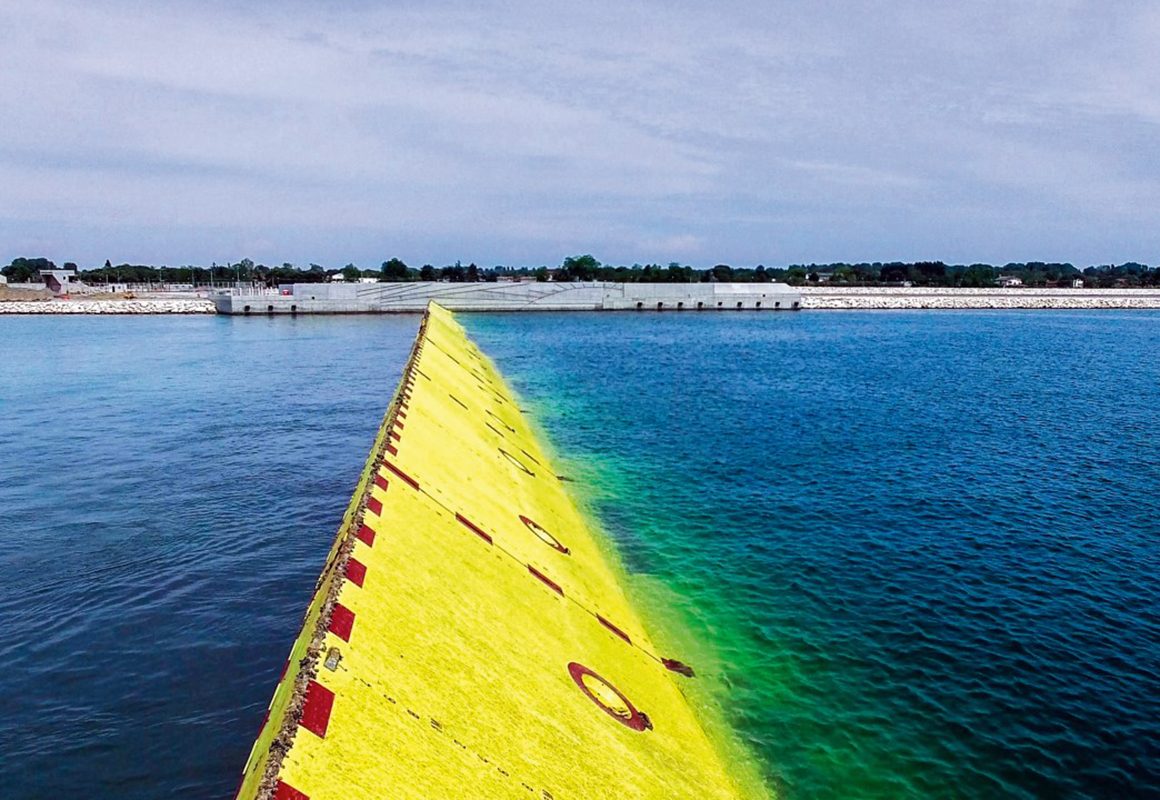
VENICE TESTS FLOODGATES
Beset by regular flooding over the centuries, Venice has successfully tested a system the city hopes will offer some relief from rising sea levels – a 1.5km array of mobile defensive barriers.
Venice is located within a lagoon and the new Mose system (comprising 78 mobile floodgates) is located at the lagoon’s three main entrances. Work on the project began in 2003 but its original budget has trebled – and progress has been troubled by delays and corruption – and, of course Covid-19.
The Mose (Experimental Electromechanical Module) system uses compressed air to empty the barriers of water. Once buoyant the they rise up and block the incoming tide. Defensive barriers were raised and lowered at three inlets – two arrays at the Lido, and one each at Malamocco and Chioggia. Despite the successful operation, engineers believe another 18 months of testing is required.
In November last year the city suffered its worst floods in half a century, with more than 80% of the area underwater.
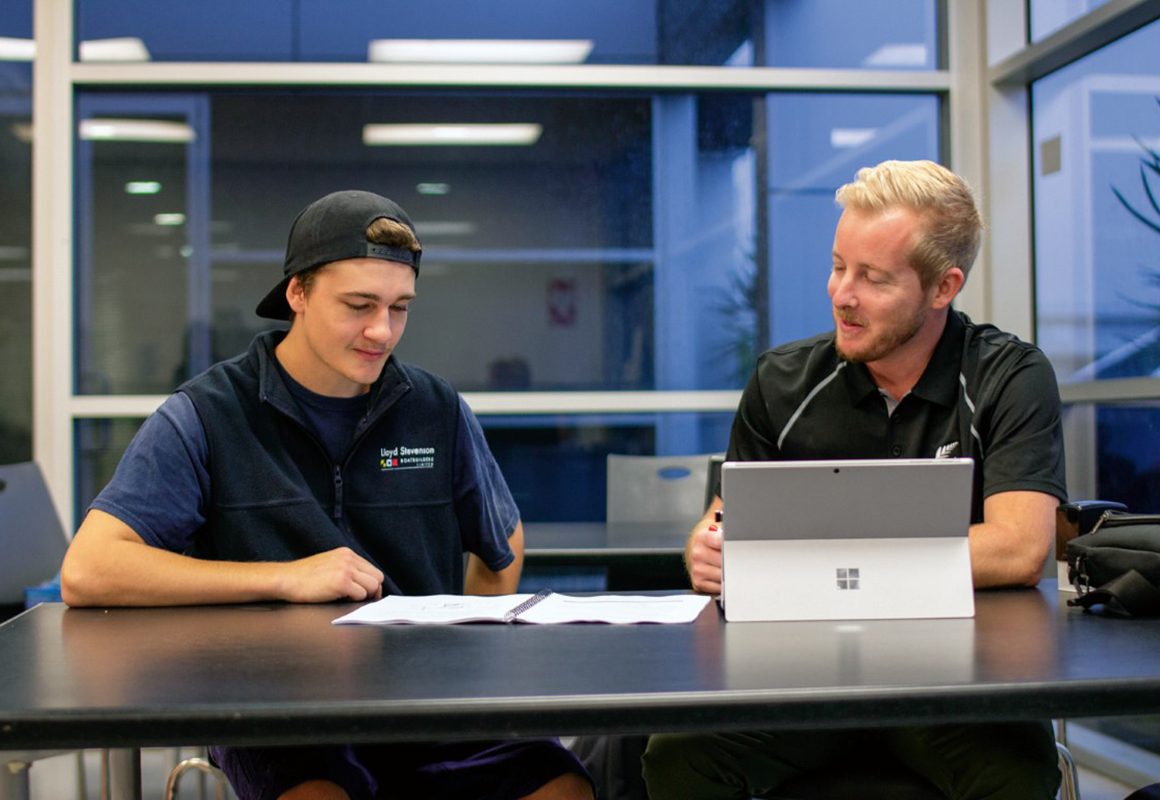
NZ MARINE AND COMPOSITES TRAINING ACADEMY
An exciting new initiative will expand on the world-leading training currently provided by the NZ Marine & Composites (NZMAC) Transitional Industry Training Organisation.
Recent reforms of the vocational education sector, which include disestablishing Industry Training Organisations (ITOs), have provided the marine and composites industries an opportunity to create a dedicated training academy.
NZMAC will make an application to NZQA (NZ Qualifications Authority) to register a Private Training Establishment (PTE) called the NZ Marine & Composites Training Academy. This new facility will be able to expand and deliver far more for the marine and composites industries than the old organisation.
For apprentices and trainees entering or transitioning to the academy, it will deliver support on and off the job, education and training to achieve a seamless integration between the old and new settings. The academy will also be well-connected and better able to respond to the needs of industry.
A balanced delivery of work- and practice-based learning, on campus and online, is designed to provide the optimum learning environment for students and apprentices in the marine and composites sectors.
During the 6–12-month transition period from ITO to PTE, employers and apprentices will see no disruption to the service they currently receive from NZMAC, says NZMAC General Manager Chris van der Hor – it will be business as usual. NZMAC is working closely with government officials to ensure the transition is as seamless as possible.
The marine industry in New Zealand is recognised as producing outstanding marine and composite graduates: tradespeople with New Zealand accreditation are much sought after around the world.
“Our graduates are the NZ Marine Industry’s best marketing tools,” says van der Hor. “They expound the virtues of our industry wherever they are, giving our products and services an unrivalled global reputation.”
In time the academy will also be able to offer international students the opportunity to train there and to work with New Zealand’s best employers.
The marine and composites industries are key contributors to New Zealand’s economy with an annual turnover exceeding $2 billion and export earnings approaching $1 billion across both sectors.
Presently, there are 210 employers training 460 trainees/apprentices. Post COVID-19, with continued growth forecast for both industry sectors, demand for highly-skilled tradespeople will remain strong, as will the requirement for pre-trade graduates ready to move into apprenticeships. www.nzmacito.org.nz
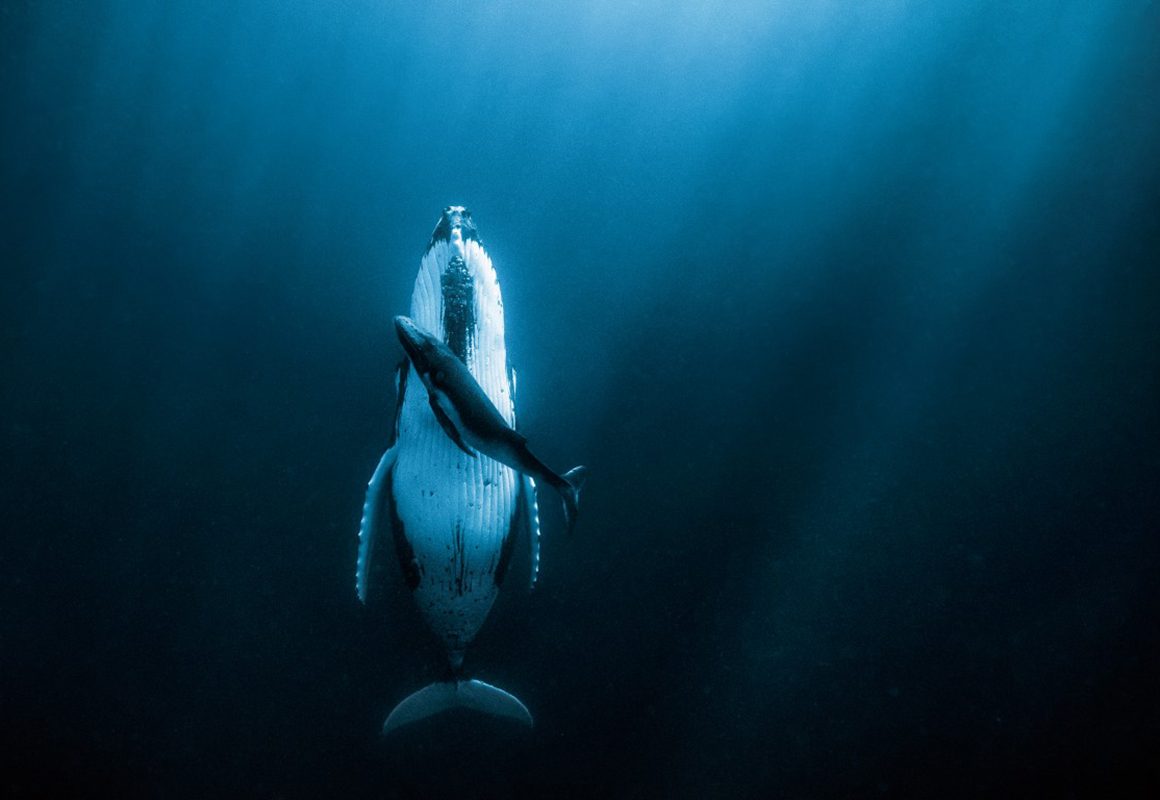
WINNING WHALES
Australian photographer Jasmine Carey’s shot of a humpback mother sleeping beside her twoweek-old baby – taken near the Kingdom of Tonga – has won her the US$120,000 grand prize at this year’s (ninth) Hamdan bin Mohammed bin Rashid Al Maktoum International Photography Award (HIPA) in Dubai.
This year’s competition was themed Water. Water, said HIPA organisers, was man’s oldest friend on the planet.
“All the inhabitants of Earth know water, but some fear it. The relationship of a fisherman with water is not like that of someone who does not know how to swim. It is completely different from the relationship of the scientific researcher, who is concerned about the frightening acceleration of the melting icebergs. We watch today how the creators of the world see water through their lenses. Water is a major issue that concerns us all and touches our lives. It’s about the survival of our planet.”
The HIPA competition was launched in 2011 by His Highness Sheikh Hamdan bin Mohammed bin Rashid Al Maktoum, the Crown Prince of Dubai.
For more information about HIPA contact Saad Hashmi at saad.hashmi@hipa.ae
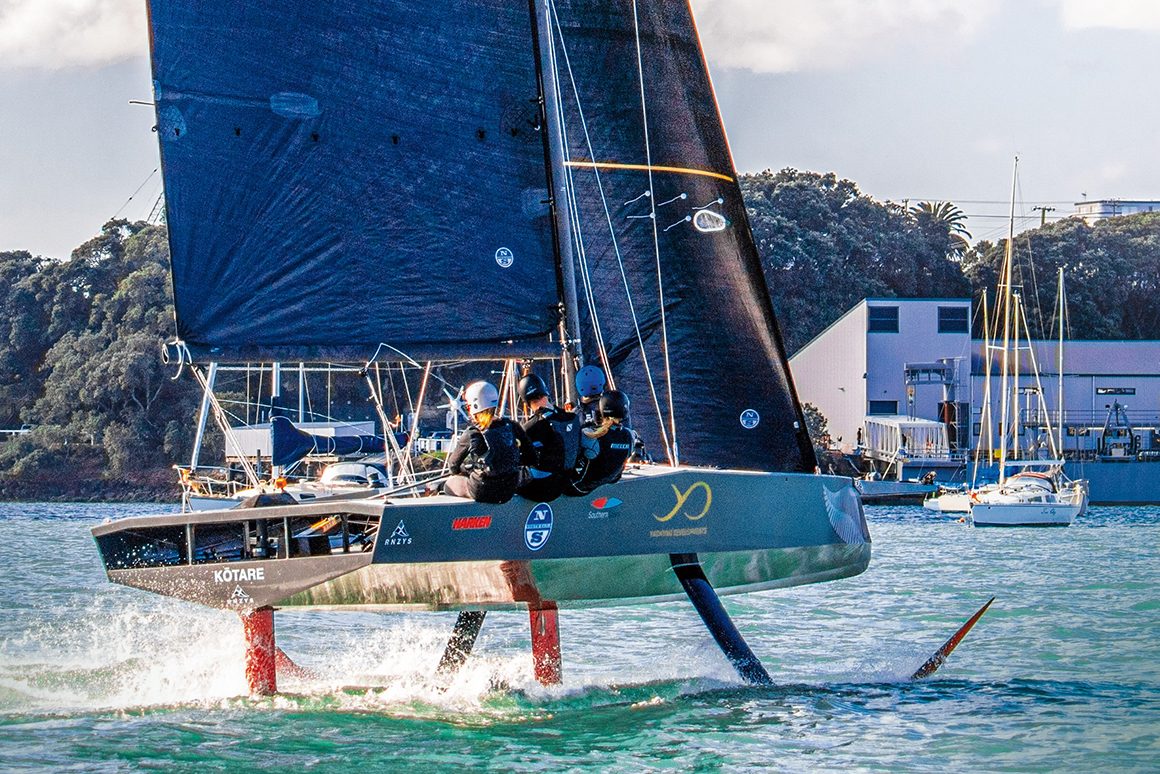
FIRST ACF9 FOILS
The first of the much-anticipated carbon foiling monohulls to be used in the Youth America’s Cup next year – the AC9F – has proved her capabilities. She flies!
A product of the Yachting Developments design team led by Bob Graham, a fleet of AC9Fs is being built at the company’s yard. More than 15 teams from around the world are confirmed for the event, which allows for simultaneous match racing.
This first AC9F model (christened Kōtare, meaning ‘Kingfisher’ in Maori) was completed in March but sea trials were delayed due to the Covid-19 nationwide lockdown.
“We still have more testing to complete but after her first sail it is good to confirm that she certainly flies,” says Ian Cook, managing director of Yachting Developments. “It was impressive work by everyone involved to achieve our goals so quickly,” adds designer Bob Graham.
The AC9F is an exciting design that will certainly test the best young sailors from around the world.
BRP ENDS OUTBOARD PRODUCTION
BRP announced in May that it will discontinue production of its Evinrude E-TEC and E-TEC G2 outboard engines (effective immediately), and re-orient its marine business by focusing on the growth of its boat brands.
At the same time is has signed an agreement with Mercury Marine to support boat packages and supply outboard engines to its boat brands.
“Our outboard engines business has been greatly impacted by Covid-19,” says BRP President and CEO, José Boisjoli. “This business segment had already been facing some challenges and the impact from the current context has forced our hand.”
The company will continue to supply customers and its dealer network with service parts, and will honour its manufacturer limited warranties, plus offer select programmes to manage inventory. The move will affect 650 employees globally.
“We will concentrate our efforts on new and innovative technologies and on the development of our boat companies, where we continue to see a lot of potential to transform the on-water experience for consumers,” adds Boisjoli.
BRP is a global leader in powersports vehicles, propulsion systems and boats. Its products include Ski-Doo and Lynx snowmobiles, Sea-Doo watercraft, Can-Am on- and off-road vehicles, Alumacraft, Manitou, Quintrex, Stacer and Savage boats, Rotax marine propulsion systems as well as Rotax engines for karts, motorcycles and recreational aircraft.
Mercury, meanwhile, will become the supplier of choice for BRP-owned boat brands Alumacraft, Manitou, Quintrex, Stacer, Savage and Yellowfin Plate Boats. “This agreement brings us an opportunity to further grow our brand and introduce our portfolio of outboard engines to new customers around the world,” says Chris Drees, Mercury Marine president.
FUEL ANGEL
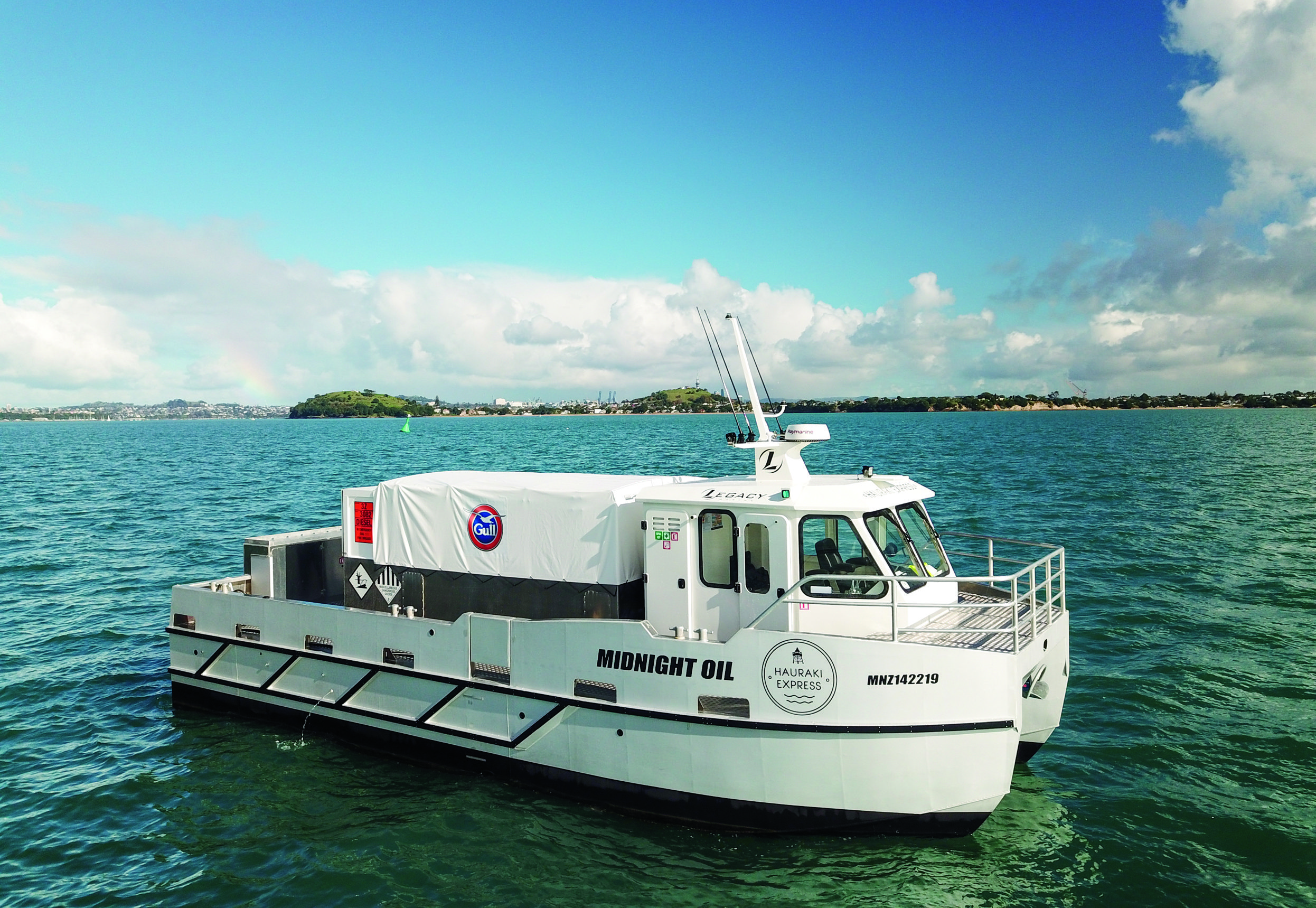
A high-speed, 12m fuel tanker has begun operating in the Hauraki Gulf, bringing relief to boaties caught short in some of the more remote corners of the cruising playground.
Based at Westhaven’s Triton dock, the Midnight Oil catamaran carries 10,000 litres of diesel and cruises at 19 knots. Owned by Auckland’s Hauraki Express, she operates in partnership with Gull Petroleum – and promises convenient and competitively-priced diesel.
Powered by twin 485hp Cummins diesels, she was built by Whakatane’s Legacy Marine. Hauraki Express general manager Stuart Thomas says the alloy cat’s operational range extends from Great Barrier Island in the north, down to the Coromandel in the south.
“In addition to providing fuel for those caught in awkward spots with poor or no access to a fuel dock, the cat is also designed to service superyachts which are too big to come alongside standard fuel docks.”
Deliveries can be arranged by emailing or texting the company: 0274104803 or stuart@haurakiexpress.co.nz
COASTAL CLASSIC IS ON
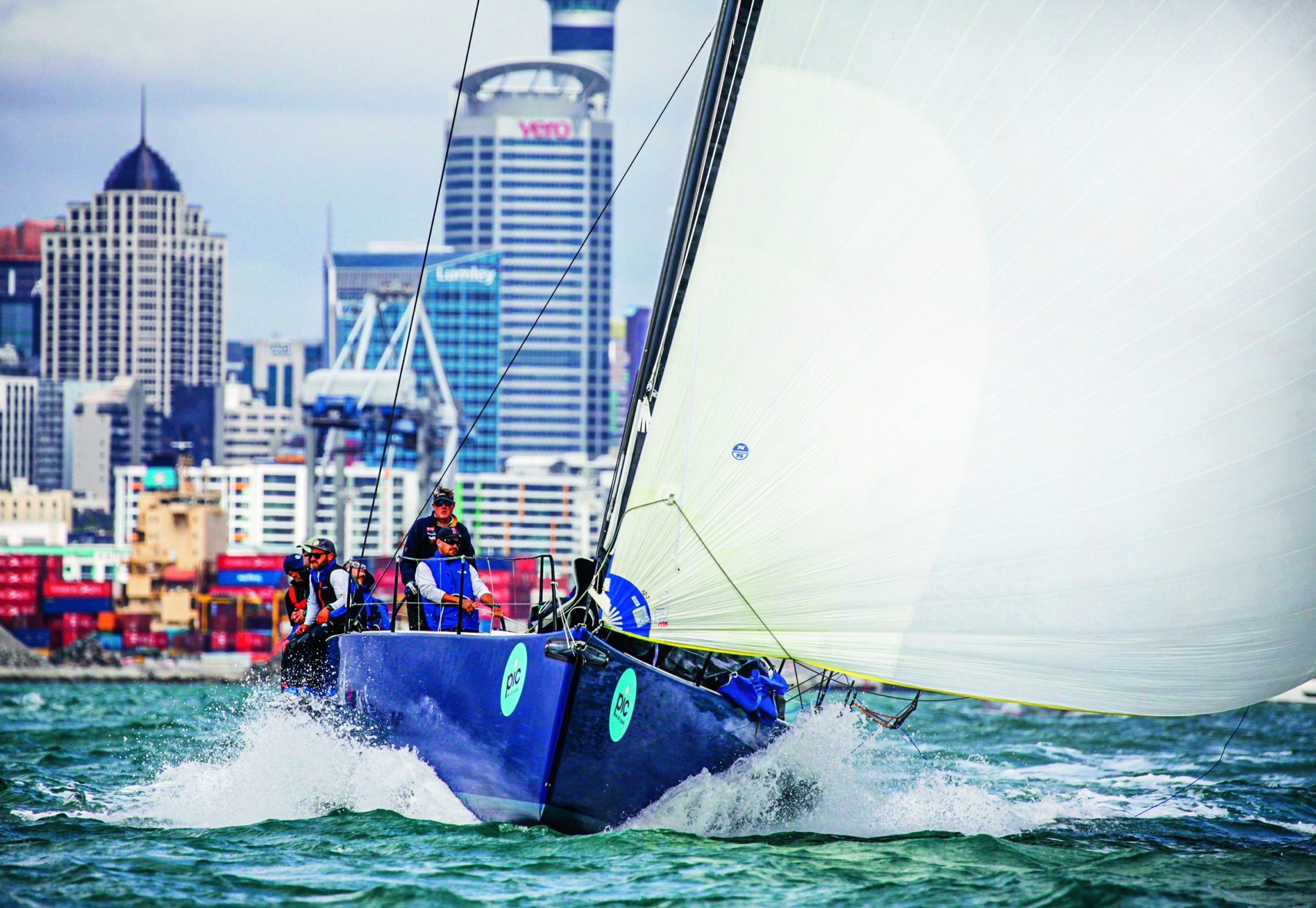
With 150 days to go, the New Zealand Multihull Yacht Club (NZMYC) says the 38th PIC Coastal Classic Yacht Race from Auckland to Russell is on, starting from Devonport Wharf on Friday 23 October.
Organisers are now accepting online entries for the 119nm challenge.
“It’s refreshing to have something to look forward to after a bleak last few months, unsure of when we’d get back on the water and in what capacity,” says NZMYC commodore Greer Houston. “We’ve certainly noticed the pent-up demand within our community and will do whatever we need to make this year another great one – on and off the water.”
Last year was one of the event’s fastest. “Not only was a new race record set of 5hr 37s, but every boat that finished did so in less than 20 hours,” says Greer. “After such a memorable race in favourable conditions, we hope everybody will be quick to put their hand up to do it again.”
In 2019 Beau Geste, the internationally-registered mod 70 trimaran, led the fleet of 175 yachts to set a new race record. Due to recent travel restrictions, Beau Geste has remained in New Zealand and is expected on the start line to give it another crack this year.
The race’s primary sponsor is PIC Insurance Brokers.
2020 EXCELLENCE AWARDS
Nominations for the 2020 Volvo Yachting Excellence Awards are now open and will close on August 31. The date and venue of the gala event will be announced soon, with the winners revealed in November.
While the awards recognise excellence in sailing, from Optimists through to offshore boats, they are also an opportunity to recognise achievements at local and club level. There are many who do so much to make these places special, and to show appreciation for the people and sailors in your community, please nominate them, highlighting their achievements and commitments to the sport of sailing.
Awards are presented in the following categories:
Orbit World Travel Sailor of the Year Award for the Sir Bernard Fergusson Trophy Zhik Male Sailor of the Year Award (new) Zhik Female Sailor of the Year Award (new) Volvo Young Male Sailor of the Year Award (new) Volvo Young Female Sailor of the Year Award (new) Yachting New Zealand Coach of the Year Yachting New Zealand Official of the Year Aon Emerging Talent Award Lawson’s Dry Hills President’s Award Lucke Young Leader Award North Sails Sportsmanship Award Propspeed Sustainability Award
Yachting New Zealand Service Awards – supported by Boating New Zealand
Yachting New Zealand Performance Awards – supported by Zhik Yachting
New Zealand Youth Performance Awards – supported by Harken
Yachting New Zealand Cruising Awards – supported by Wichard by Kiwi Yachting
For nomination forms and more information about the criteria for each award visit: https://www.yachtingnz.org.nz/about-us/volvo-yachting-excellence-awards
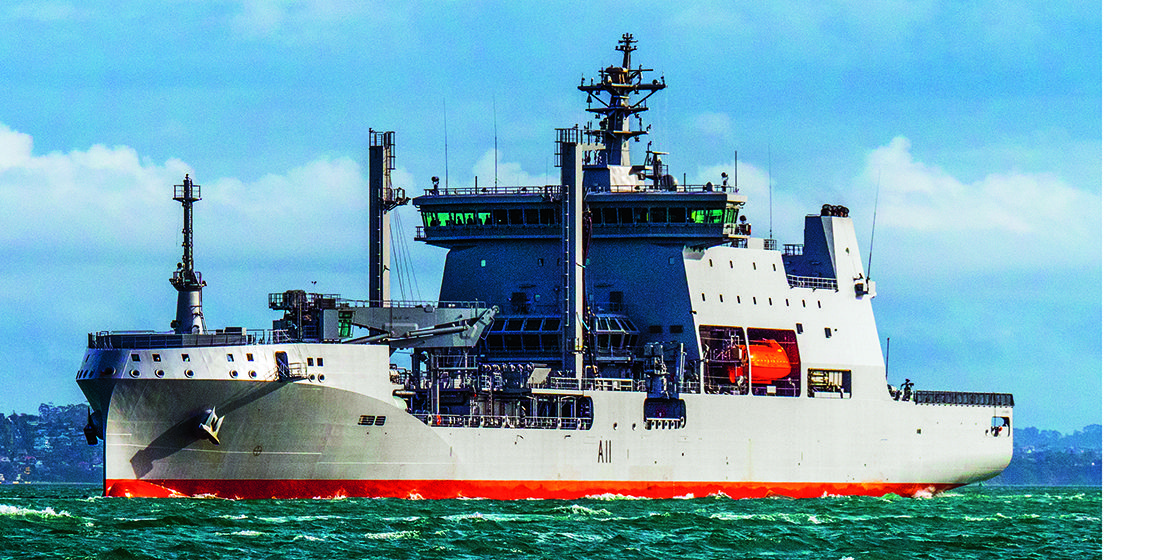
HMNZS Aotearoa is going further
At 173m LOA and displacing 26,000 tonnes, the new HMNZS Aotearoa tanker and replenishment ship is the largest our Navy has ever operated.
She arrived in Auckland in June – a Polar-class support vessel designed, says Defence Minister Ron Mark, to extend the fleet’s range and endurance during operations that span from Antarctica to the equator and beyond. “This vessel enhances our national resilience as well as our ability to support our friends and neighbours throughout the Pacific.”
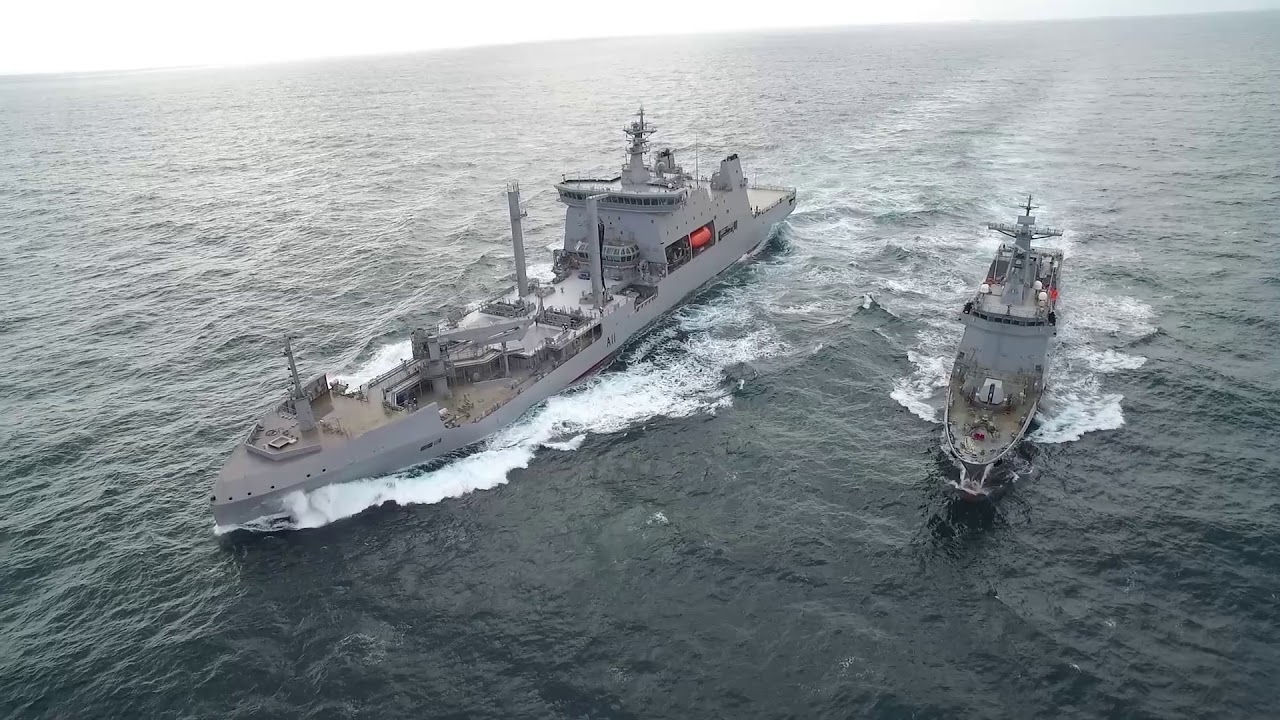
Built by Hyundai Heavy Industries in South Korea, Aotearoa will support both combat and civilian operations and deliver humanitarian relief and support for disaster recovery. She replaces the Endeavour fleet tanker (decommissioned in December 2017 after 30 years of service).
The new ship can carry up to 22 containers of supplies and produce 100 tonnes of fresh water each day – invaluable when providing humanitarian aid and disaster relief. Her state-of-the-art design and capability features include ice-strengthening and ‘winterisation’ features for operations in Antarctica.
She carries 9,500 tonnes of fuel (enough to ‘fill up’ frigates like Te Mana or Te Kaha almost 14 times). And she can carry and operate a Navy Seasprite or RNZAF NH90 helicopter. She will have a core crew of 64, and 11 flight crew.
Her world-first naval ‘Environship’ design incorporates a wave-piercing bow which reduces resistance and lowers fuel burn, while the Combined Diesel Electric and Diesel propulsion plant has lower fuel emissions than older vessels. Her Selective Catalytic Reducers also reduce harmful NOx exhaust emissions.
Launched April 2019
Builder Hyundai Heavy Industries, Ulsan, Republic of Korea
Home port New Plymouth
Length 173.2m
Beam 24.5m
Draught 8.4m
Displacement 26,000t
Propulsion 2 x Bergen B33:45L9P diesels, and 2 x electric power take in motors
Range 6,750 nautical miles
Maximum Speed 16kt
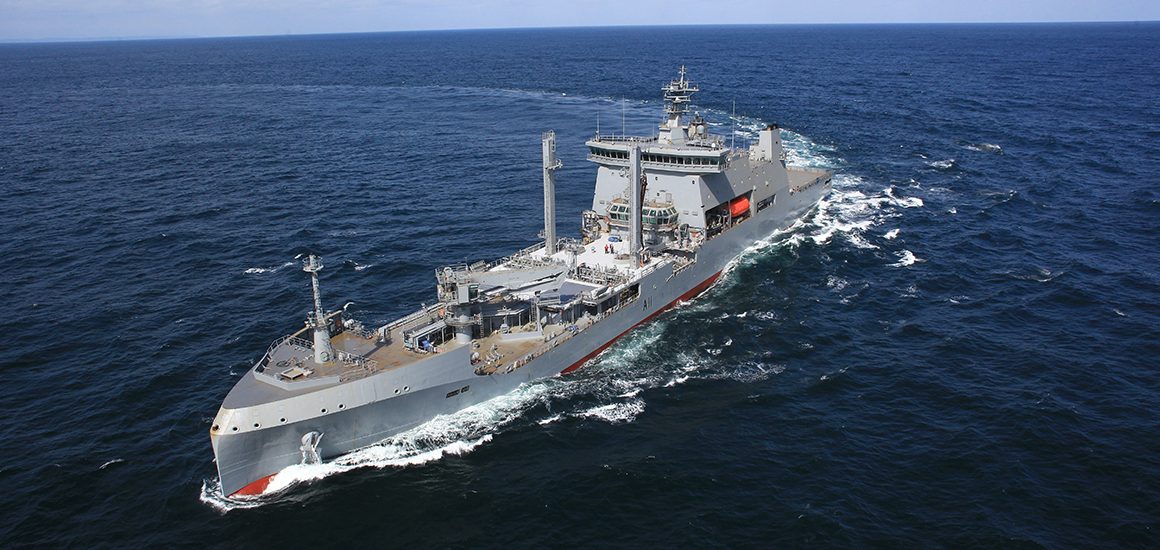
Newest Navy ship
The Royal New Zealand Navy will be welcoming their newest and largest-ever ship, Aotearoa, to New Zealand on Friday 26 June.
They are inviting Aucklanders in their yachts or boats to join a welcoming flotilla to help escort Aotearoa into Auckland Harbour.
Check out the details on their Facebook page: https://bit.ly/welcome-aotearoa
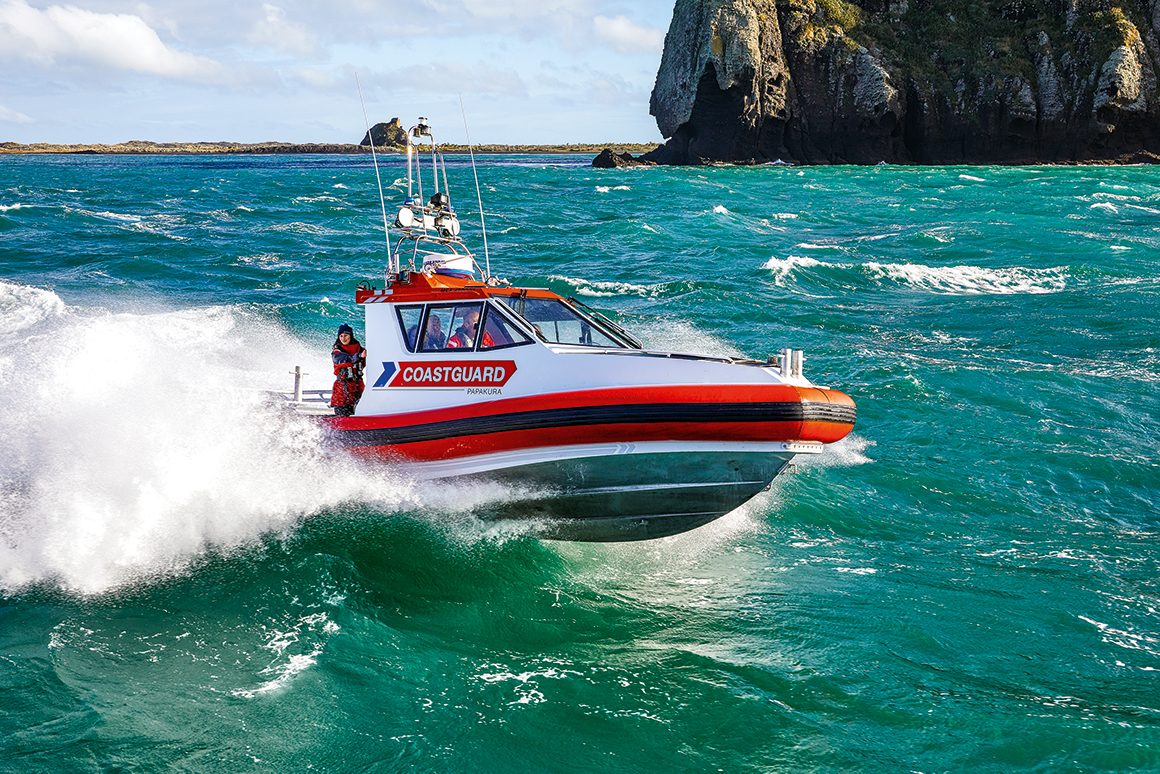
COASTGUARD RE-GEARS
COASTGUARD VOLUNTEERS AND MEMBERS NATIONWIDE HAVE VOTED TO MERGE THE ORGANISATION’S FOUR REGIONAL ENTITIES AND NATIONAL BODY – A STEP DESIGNED TO BOOST EFFICIENCIES AND ADDRESS FALLING VOLUNTEER NUMBERS. THE VOTE TOOK PLACE AT A SPECIAL GENERAL MEETING IN MARCH.
“The need for change is clear,” says Coastguard Chief Executive Callum Gillespie. “Bringing the national body and the four regional entities together will enable us to be more efficient and effective in the development and delivery of strategies to meet challenges we face today and in the future.”
The most pressing of those is addressing Coastguard’s falling volunteer numbers. Like many volunteer-powered organisations, Coastguard’s being impacted by changing trends in volunteering worldwide.
“We are an emergency responder which relies on volunteers,” says Gillespie. “Without them, there would be no Coastguard.
“Last year we undertook a comprehensive survey of our volunteers, and it is evident that we need to take action if we are going to retain our incredible volunteers and attract new people. Integrating the organisation into a strong entity will provide the platform we need to ensure we can continue to serve New Zealand communities and save lives at sea.”
Coastguard created its four regions in 2004 to improving support to its units on the frontline. The decision to merge them, Gillespie believes, will lift the support to units even further.
“We will continue to operate regional teams who will report directly to Coastguard New Zealand rather than through regional boards. We will also be able to create a strong shared services model for HR, finance, technology, operations, marketing and fundraising – enabling us to better support our people, reduce overheads and realise efficiencies of scale previously unavailable.”
Last year Coastguard’s 1,900 search and rescue volunteers gave more than 300,000 hours of their time across operations, training, admin, education and fundraising and brought 6,774 New Zealanders home safely.
“Having the right structure in place to support our volunteers will enable them to focus on doing what they joined Coastguard to do, helping other people and saving lives at sea,” says Gillespie.
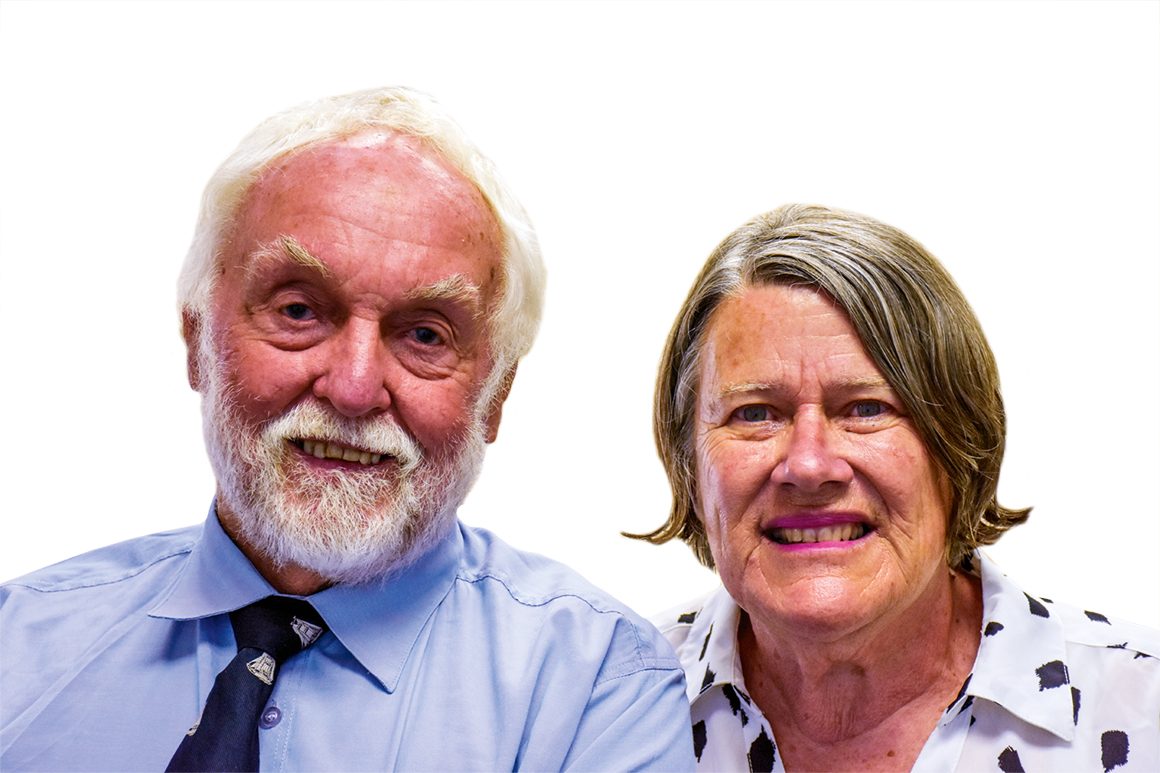
LOTT LANDS A CHALLENGE
NEW ZEALAND’S JIM LOTT HAS BEEN AWARDED THE ROYAL CRUISING CLUB’S PRESTIGIOUS CHALLENGE CUP – BECOMING THIS COUNTRY’S FIRST RECIPIENT OF A TROPHY THAT’S USUALLY GIVEN TO A BRITON.
The Cup is presented annually for the most outstanding cruise of any duration.
Jim and his wife Karin were deemed worthy winners after their voyage to Auckland from the Mediterranean on their yacht Victoria. They left New Zealand (initially for Chile) in 2011.
They built Victoria in Auckland and launched her in 1988. They’ve since sold her – in total she carried them some 150,000 miles.
The Royal Cruising Club (RCC) was established in 1880 and is similar to the Cruising Club of America. RCC is best known for its extensive library of cruising information. It publishes (through Imray Publications) a wide range of cruising guides written or edited by club members. About 50 guides cover much of the world.
Each year the club makes a number of awards at London’s Royal Thames Yacht Club. The Challenge Cup – its most prestigious award – was established in 1896 and is given to recipients based on logs and written reports. Past winners include Eric Hiscock, David Lewis and Robin Knox-Johnston.
The following is an extract from the Lott’s logbook:
“The Strait of Gibraltar is a huge natural wind-funnel and after a few miles, wind gusts of 45 knots at odds with the 4-knot current made it very bumpy. We could see other yachts leaping about in the overfalls and we felt for one yacht which had lost her rudder and was being towed through the tumbling waves at ten knots by the Tarifa lifeboat. We headed across the separation zone at 90° through the endless convoy of ships, even though other yachts just sailed the course they wanted. With many yachts now transmitting on AIS, knowing other vessels’ intentions makes life at sea much easier.
“It had been six years since we sailed from Auckland, years that added to our age. When we set out for Chile in 2011 we always intended to call a halt to ocean wandering when we reached our 70s, before we became a menace to both ourselves and others on the water. After selecting the easiest route home we turned our bow westward towards New Zealand, half a world away.”


