
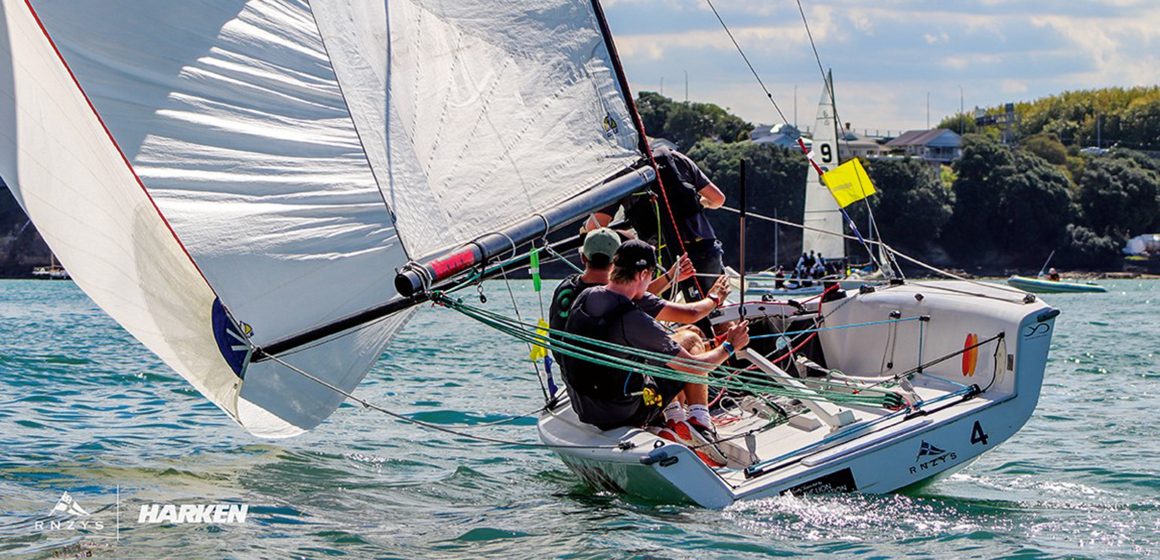
EGNOT-JOHNSON WINS MATCH RACING CUP
Nick Egnot-Johnson and his KNOTS Racing crew of Niall Malone, Alastair Gifford and Ollie Gilmour survived a tricky sudden-death final to win the 2021 Harken Youth International Match Racing Cup.
Going back to the Round Robin stage, the top seeding came down to a battle between the eventual finalists, with Nick EgnotJohnson and Jordan Stevenson racing off in the final match.
As is always the case with these two the race was a tight one, but it was Egnot-Johnson who claimed a narrow victory. Both finished with an eight-one record, but Egnot-Johnson snatched the top spot on a countback with the vital, final race win.
This is Egnot-Johnson’s second Harken Youth International Match Racing Cup title, and it will also be his last, with the now notso-young skipper ageing out of the youth scene.
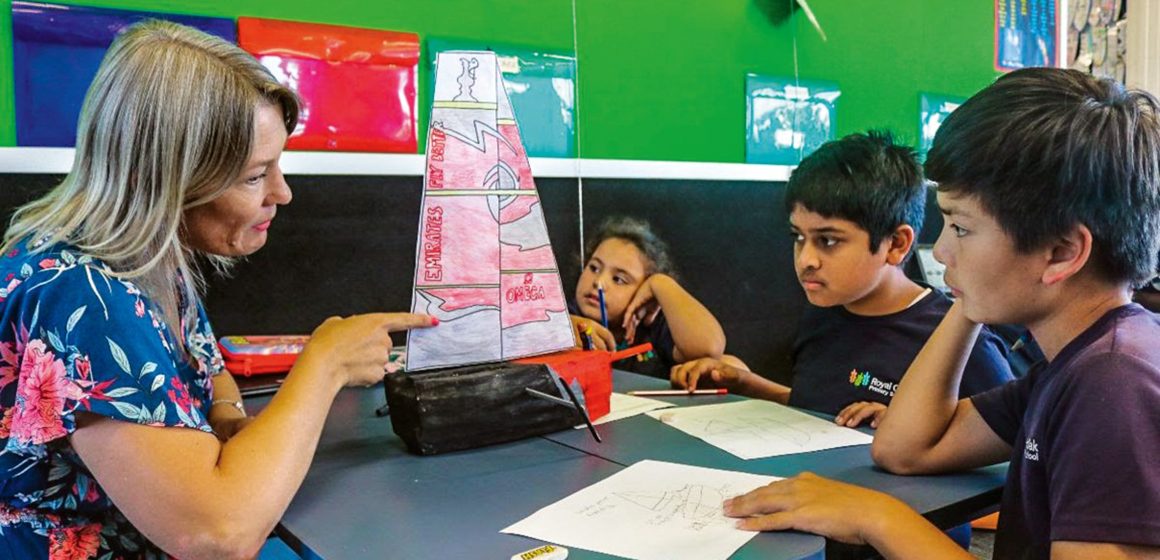
SAILING MAKES LEARNING FUN
All Kiwi school children will be able to learn more about sailing through a new schools programme that focuses on the science, technology, engineering and maths (STEM) associated with harnessing the power of the wind. The Yachting New Zealand-designed programme – Kōkōkaha – Powered by the Wind – was launched in term one 2021, and is aimed at students in years 5-10 but can easily be adapted for older and younger children.
Mostly classroom-based, it’s delivered by teachers, but schools also have an opportunity to go sailing at their local club or waterway so they can put their knowledge about the wind and sailing technology into practice.
Sailing is the first sport to bring this type of online and practical component into the classroom. The programme has been done in collaboration with Sport New Zealand and the Ministry of Education.
Josh Junior – ETNZ sailor, Finn world champion and Olympian says it’s an awesome programme. “It’s great to see kids learning about the wind and how they can harness it to do cool things.
“The wind is always different, it’s interesting, it’s varied day to day and is cool to learn about. For us, we use the wind to power our boat around the race course and go as fast as we can, but the wind can also be used to power wind turbines to make energy. The wind can be used for a lot of things and should be something we understand better.”
Already close to 900 classrooms from 225 schools are involved in Kōkōkaha, which represents roughly 10% of New Zealand schools and more than 20,000 students.
The sailing experiences are being delivered by authorised providers around the country and involve children taking to the water in small yachts. Yachting New Zealand has provided three roaming trailers, each with a fleet of yachts, for schools in areas where there aren’t any sailing clubs who can deliver the midweek sailing experiences.
There’s an opportunity for students to utilise their knowledge and design a technology to harness the power of the wind. Entries will be judged by members of the NZL Sailing Team, this country’s top Olympic class sailors, which includes Junior.
For more information visit www.kokokaha-yachting.nz Schools simply need to register on this website to receive the free teacher’s pack and to book their sailing experience.
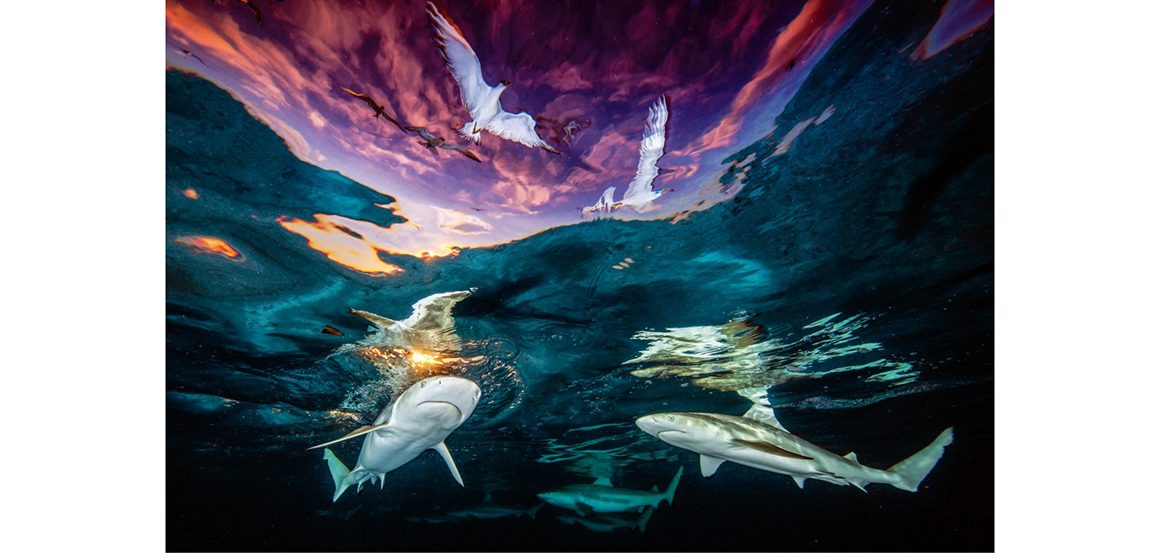
SHARKS & GULLS WINS PHOTO PRIZE
This photo of blacktip reef sharks cruising beneath sea gulls at sunset in French Polynesia has won Renee Capozzola from the US the Underwater Photographer of the Year 2021.
Capozzola’s photo triumphed over 4,500 underwater pictures entered by photographers from 68 countries. She is the first female photographer to be named overall winner of the prestigious international photography contest.
To shoot Sharks’ Skylight she travelled to the tiny island of Moorea in August 2020. “French Polynesia strongly protects its sharks, it is my favourite place to photograph them,” she explains. “I dedicated several evenings to photographing in the shallows at sunset, and I was finally rewarded with this scene: glass-calm water, a rich sunset, sharks and even birds.”
Dr Alexander Mustard, the Chair of the competition judges, said “this is a photograph of hope, a glimpse of how the ocean can be when we give it a chance, thriving with spectacular life both below and above the surface.”
The annual Underwater Photographer of the Year contest is based in the UK and attracts entries from all around the world. It has 13 categories, testing photographers with themes such as Macro, Wide Angle, Behaviour and Wreck photography, as well as four categories for photos taken specifically in British waters.
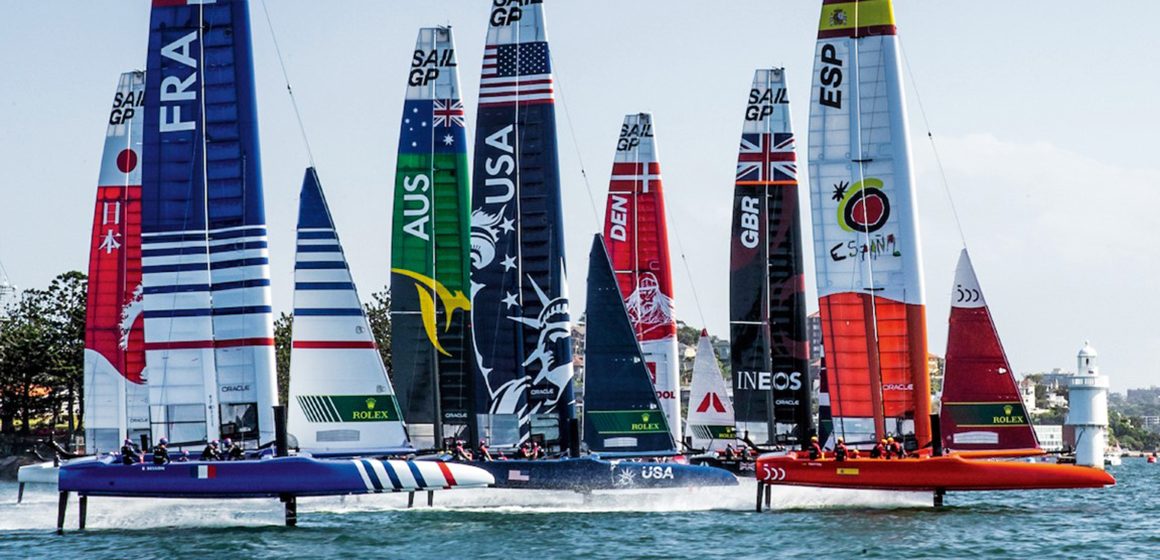
CHRISTCHURCH TO HOST SAILGP
Lyttelton Harbour will play host to SailGP action on January 29-30 next year for the penultimate round of the Grand Prix season. The grand final of the series (in its second season) will be in San Francisco in March 2022.
The Christchurch regatta will be the first time a SailGP Grand Prix event is held in New Zealand. It will feature eight national teams, including the league’s newest entry – New Zealand – led by co-CEOs Peter Burling and Blair Tuke, both reigning Olympic and America’s Cup champions.
“We are proud to represent New Zealand,” says Burling, “and there is nothing better than competing on home waters supported by our country’s sports fans, so we are stoked to bring the global event to Christchurch.
“We can’t wait to start racing in SailGP and sharing our Live Ocean conservation message along the way, which we know fans here in New Zealand and around the world will get behind.”
The fan-centric, inshore racing takes place in some of the world’s most iconic harbours and offers the sport’s largest monetary prize of $1 million. Rival national teams battle it out in identical supercharged F50 catamarans, engineered for intense racing at speeds exceeding 50 knots.
In Season 1, SailGP events were broadcast to a total global audience of 256 million.
GO HERCULES!
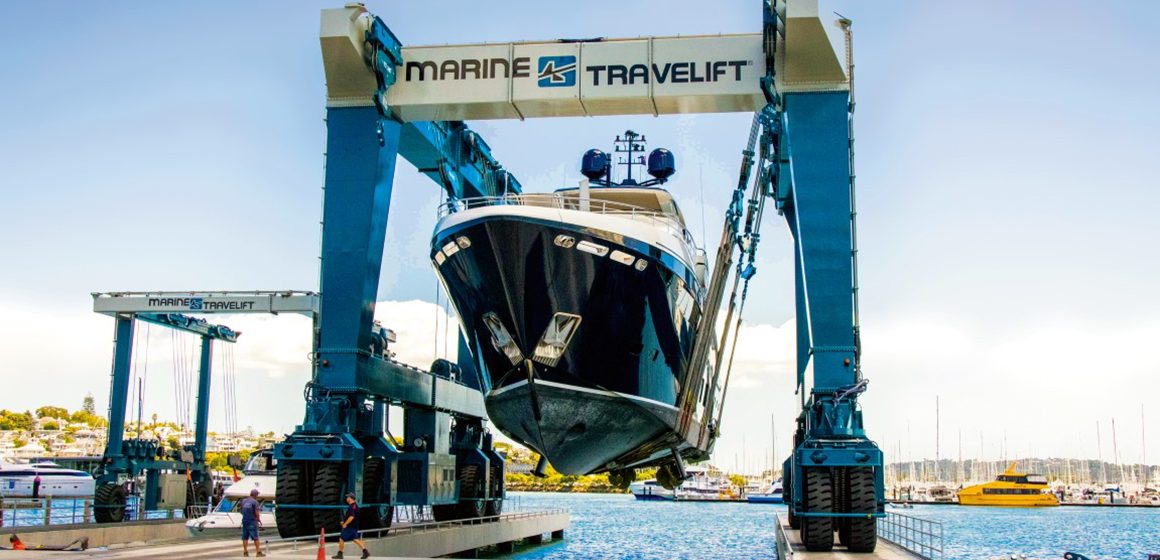
Orams Marine’s new 820-tonne travel lift marked its debut on January 13 by hauling out a 34.8m sailing yacht. The mighty lift is the largest in the southern hemisphere and has been busy since day one.
The unit forms part of a major redevelopment of the Orams Marine site, which includes an expanded hardstand area with twice the capacity for marine trades and service.
The facility also includes an 85-tonne travel lift and a 600-tonne slipway.
PACKAGING SUSTAINABILITY
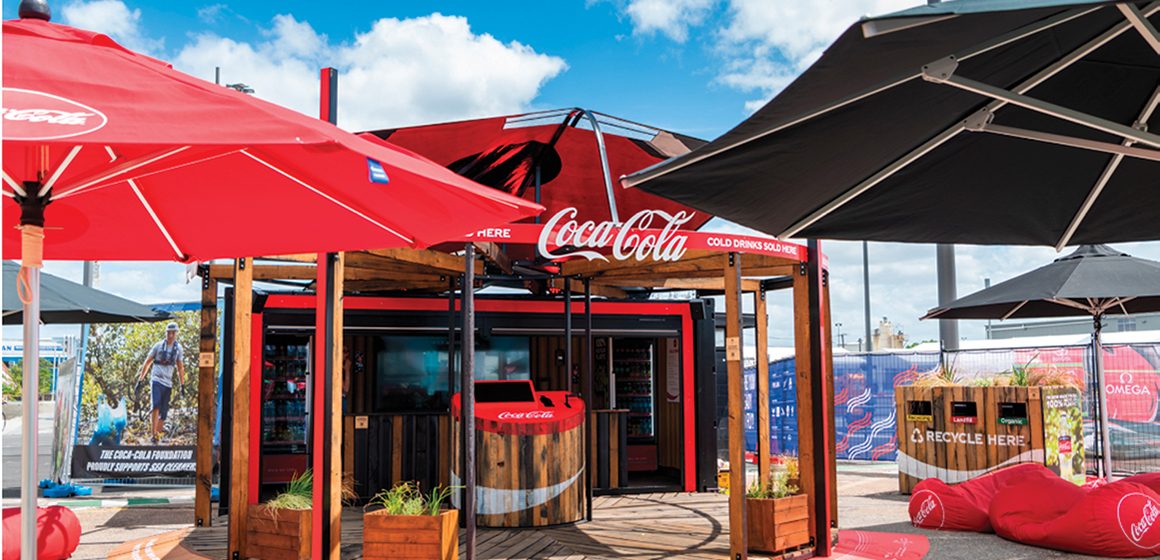
Coca-Cola Amatil New Zealand, the official soft drink supplier for the 36th America’s Cup, has opened a unique refreshment and recycling hub in Auckland’s Viaduct Basin.
The bespoke café-style hub uses a converted shipping container with the interior constructed from a range of recycled and sustainable materials.
Coca-Cola Amatil managing director Chris Litchfield says the materials include salvaged railway sleepers, cardboard tubes, old billboard skins, plywood signage, recycled bugle screws and even upcycled Emirates Team New Zealand race sails.
“The Drink Stop aims to raise awareness about the importance of recycling bottles so that they can have another life, again and again. Visitors can enjoy a drink in a bottle made from recycled plastic, dispose of their bottle via a central interactive recycling station and learn more about how plastic bottles are recycled.”
The café will be onsite at the America’s Cup Village until March 31. The hub will then be used in other locations around the country to continue sharing the sustainable packaging story.
BIG ART
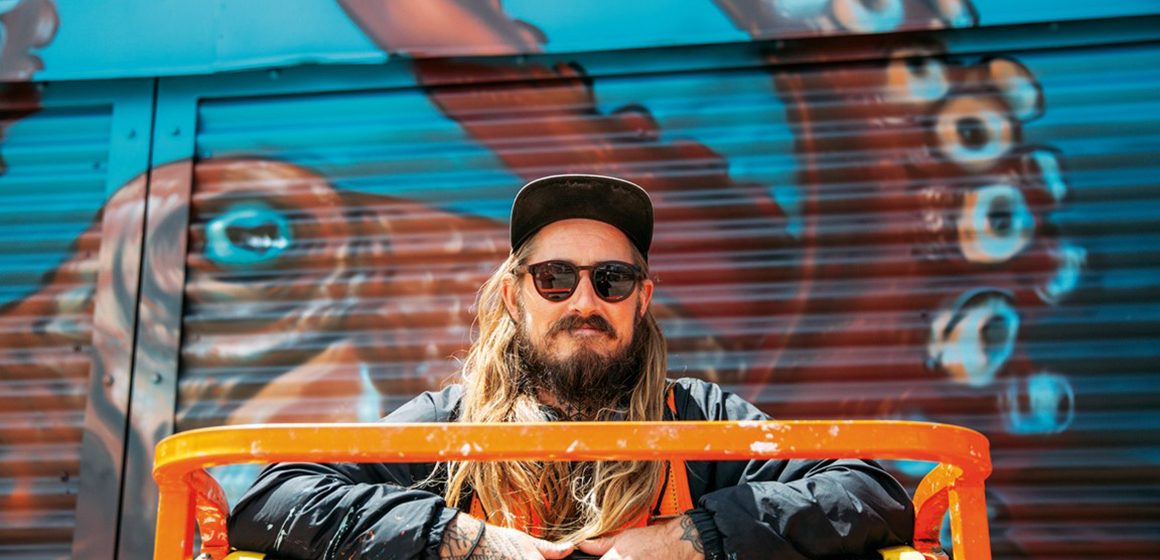
Merkens is renowned for his work Sea Walls: Artists for Oceans. This is an international public art programme that features contemporary artists creating large-scale public murals which address pressing environmental issues facing the oceans. His murals can be seen all over the world.
“The ocean is incredibly important,” he says, “and creating this mural has given me a chance to highlight, on a grand scale, what’s so beautiful about it and what must be protected, and its relevance to our people and culture.
“It was a pleasure to be able to exemplify the Maritime Museum’s increasing focus on ocean health and sustainability by making the predominant design element of the mural the natural environment of the Hauraki Gulf and the Waitematā.”
A life-sized humpback whale and giant octopus along with marine life found in our waters, such as hammerhead and mako sharks, kahawai, and snapper swim among sea grasses and other ocean habitats.
Matariki and other significant celestial navigation markers fill the night sky, with Auckland’s iconic Rangitoto presiding majestically in the background. The flowing waves representing the journeys our ancestors made to Aotearoa are enhanced by depictions of the waka hourua Haunui and the brigantine Breeze, two vessels that are berthed in the Maritime Museum marina where they educate visitors about voyaging skills from both Māori and Pākehā traditions.
The mural was made possible with support from the Chisholm Whitney Charitable Trust, Maritime Museum Foundation, and Resene.
IT’S A SMALL WORLD
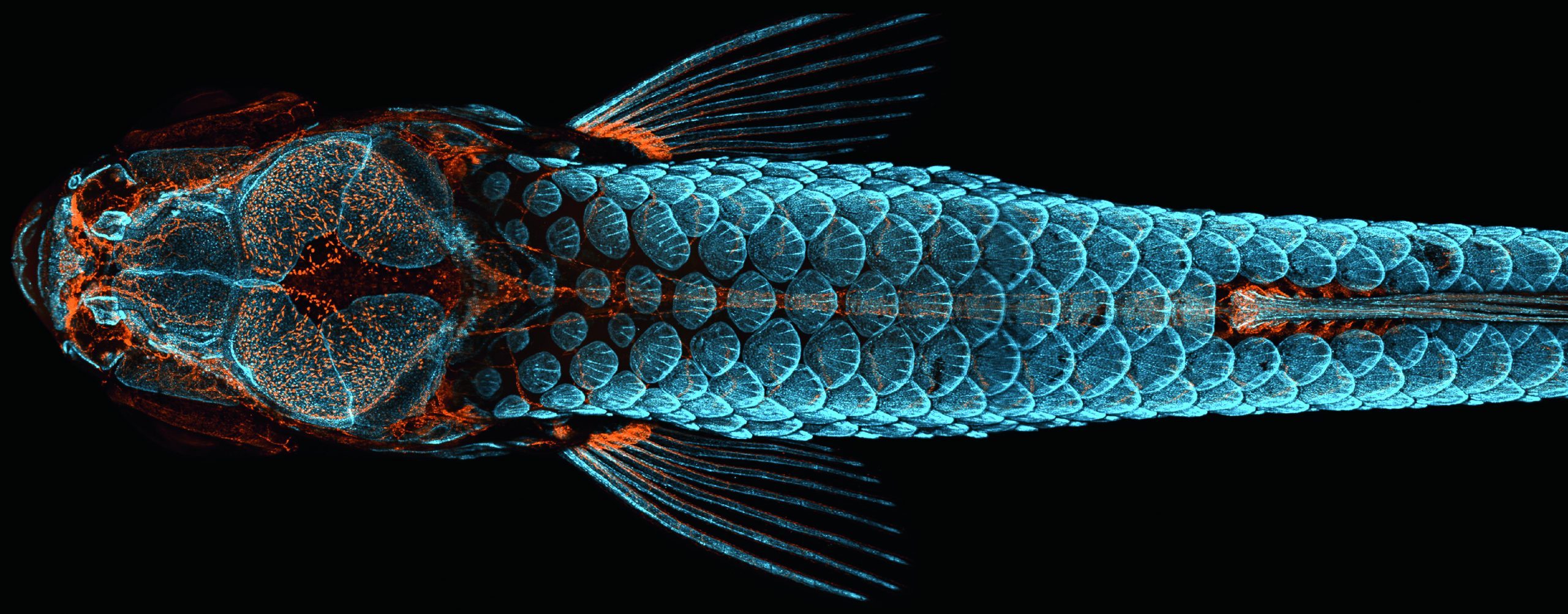
Daniel Castranova, assisted by Bakary Samasa while working in the lab of Dr. Brant Weinstein at the National Institutes of Health in Maryland, took the top prize for his immaculate photo of a juvenile zebrafish. The image was taken using confocal microscopy and image-stacking.
The image is particularly significant because it was taken as part of an imaging effort that helped Castranova’s team make a groundbreaking discovery – zebrafish have lymphatic vessels inside their skull that were previously thought to occur only in mammals.
Their occurrence in fish, a much easier subject to raise, experiment with, and photograph, could expedite and revolutionise research related to treatments for diseases that occur in the human brain, including cancer and Alzheimer’s.
Castranova stitched together more than 350 individual images to create this single visual. The image was acquired using a spinning disk confocal, merging together maximum intensity projections of three separate image Z stacks to generate the final reconstructed image.
“The image is beautiful, but also shows how powerful the zebrafish can be as a model for the development of lymphatic vessels,” says Castranova. “Until now, we thought this type of lymphatic system associated with the nervous system only occurred in mammals.”
Adds Eric Flem, communications manager, Nikon Instruments: “For 46 years the Nikon Small World competition’s goal has been to share microscopic imagery that visually blends art and science for the general public. As imaging techniques and technologies become more advanced, we are proud to showcase imagery that this blend of research, creativity, imaging technology and expertise can bring to scientific discovery. This year’s first place winner is a stunning example.”
Nikon Small World recognized 88 photos out of thousands of entries from scientists and artists across the globe.
For more information visit www.nikonsmallworld.com
SAVED BY A WHALE
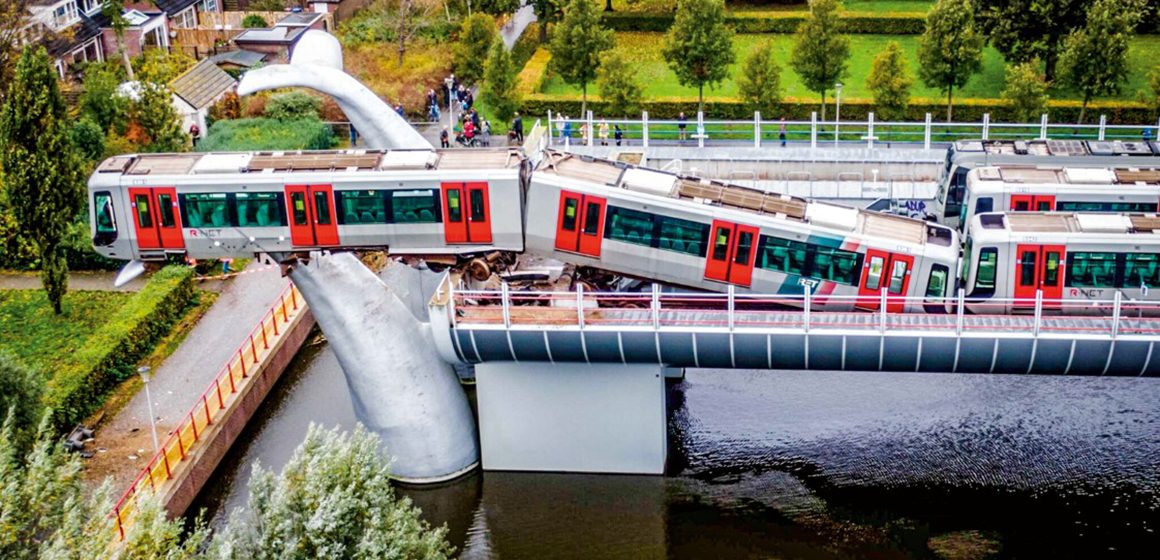
A Dutch train that smashed through a barrier at a Metro station near Rotterdam has avoided certain calamity by landing on a whale’s tail.
The accident took place at the town of Spijkenisse. Fortunately, after shooting through the buffer at the station and careering to the end of the line, the engine landed on a 10m sculpture of a whale’s tail. The sculpture – by artist Maarten Struijs – was erected in 2002. It actually comprises two tails, and is constructed in reinforced polyester.
Bizarrely, the sculpture is titled Saved by the Whale’s Tail – though, as Struijs admits, he never imagined it might actually save anything, let alone a train. There were no passengers inside the train, and the driver was unharmed.
ADRIFT IN ICE FOR 398 DAYS
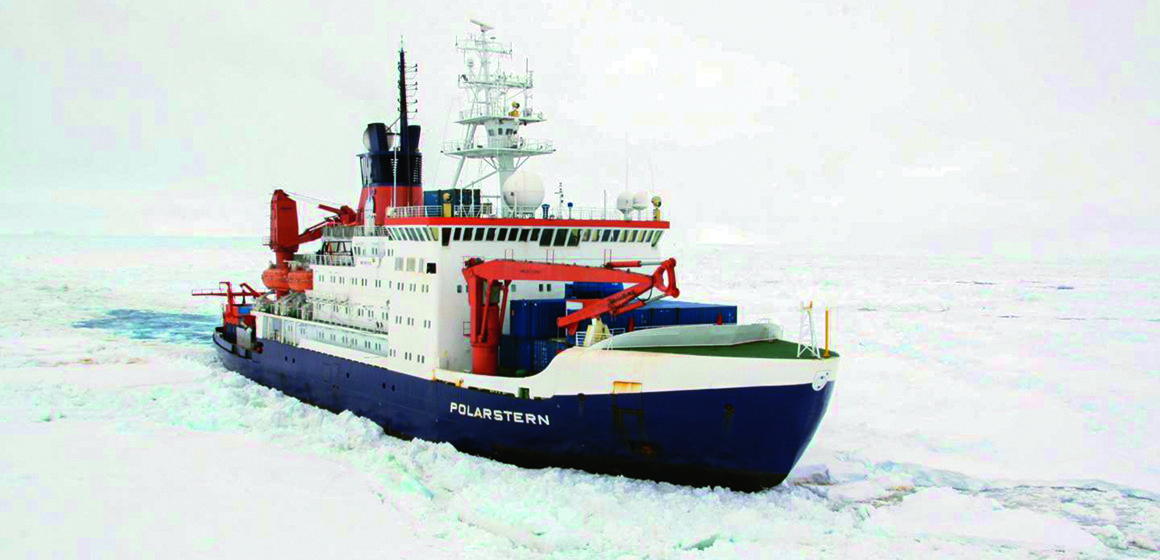
A German research icebreaker has returned home after drifting 3,400km locked in Arctic ice – all part of a study to gain new information about the earth’s climate.
The RV Polarstern is back in Bremerhaven, the end of a voyage known as the ‘Mosaic’ expedition to research the climate system in the central Arctic. She left Tromsø, Norway, on September 20 last year. Mosaic is short for Multidisciplinary Drifting Observatory for the Study of Arctic Climate.
Orchestrated by Bremerhaven’s Alfred Wegener Institute (AWI), hundreds of scientists from 20 countries took part in the initiative, swapping places over the duration of the voyage. More than 80 research institutes were involved.
Researchers were able to collect data about sea ice, the ocean, ecosystems and biogeochemistry at temperatures as low as minus 42.3o
Celsius. Seven icebreakers and research ships were used to replenish supplies and allow personnel changes.
DROWNED CARS
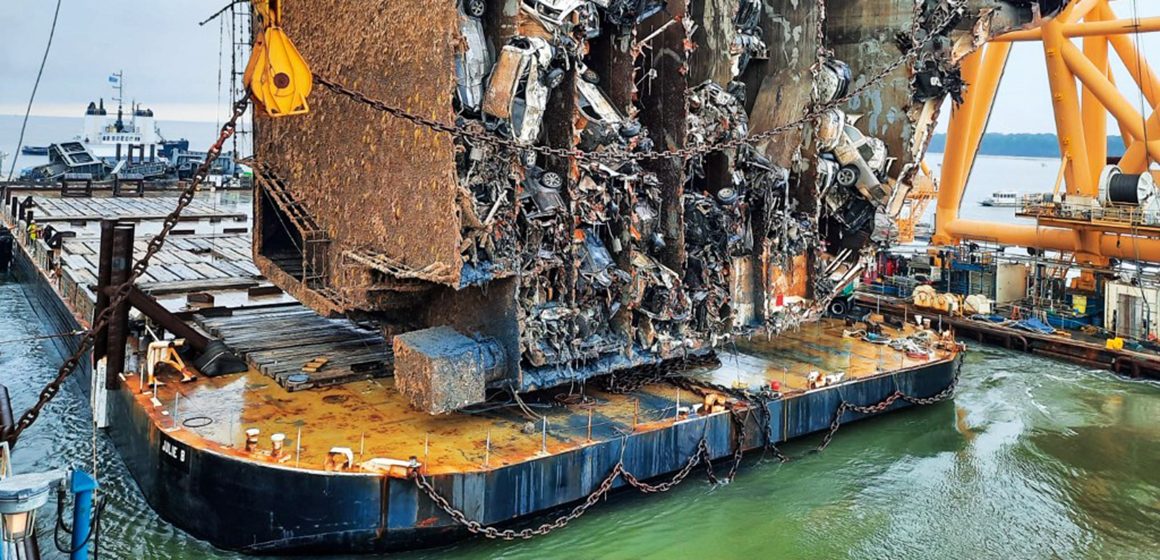
The fate of the cars became clear a few weeks ago when the VB10000 heavy-lift crane – after delays caused by Covid-19 and the hurricane season – was finally able to begin lifting pieces of the capsized vessel on to waiting barges.
Using a 75mm anchor chain in a ‘sawing’ motion, salvagers first cut the wreck into eight pieces weighing between 2,700 and 4,000 tons each. These sections are being transported to a recycling facility on shore.
Owned by US engineering firm Versabar, the VB10000 was originally designed for erecting and decommissioning offshore oil and gas platforms. Its twin-gantry cranes have a lifting capacity of 7,500 tons.
It’s not clear what caused the Golden Ray to lose stability and run aground, but shifting cargo is believed to be a possible factor in the accident.
As for the vehicles? No golden ray beckons for them.
CHINA’S SUBMERSIBLE SETS RECORD
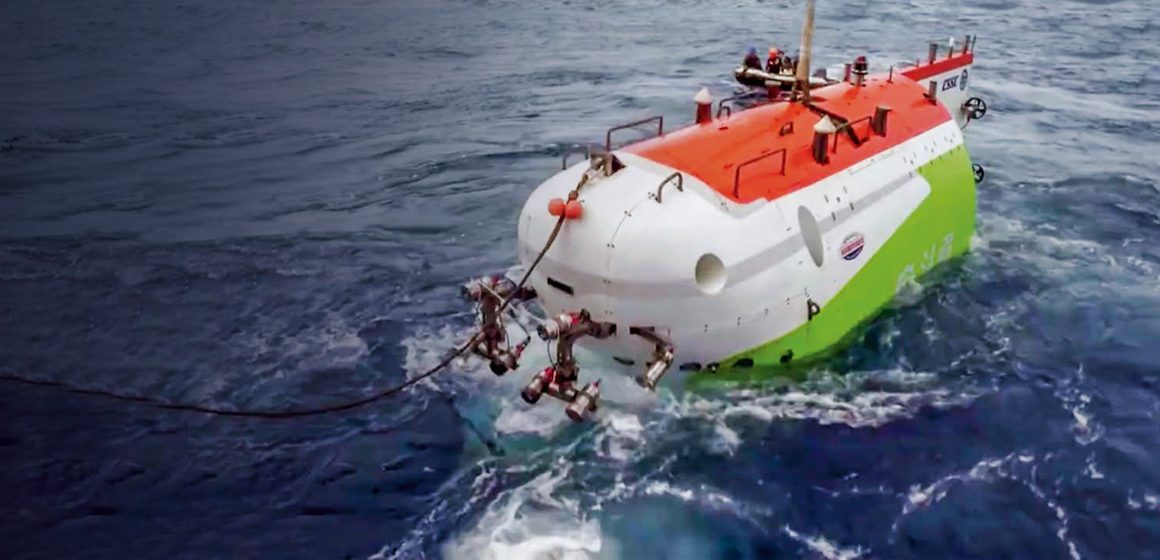
China’s newest submersible – the Fendouzhe (Striver) – has set a new dive record for the country, reaching the bottom of the western Pacific’s Mariana Trench at 10,909m.
This depth is some 18m short of the world record for the deepest dive set by American Victor Vescovo (10,927m) in the Mariana Trench in May 2019.
Fendouzhe carried three men in her record-breaking expedition, taking nearly four hours to reach the ocean floor. The dive was part of China’s strategy to explore the abundant deep-sea natural resources.


