
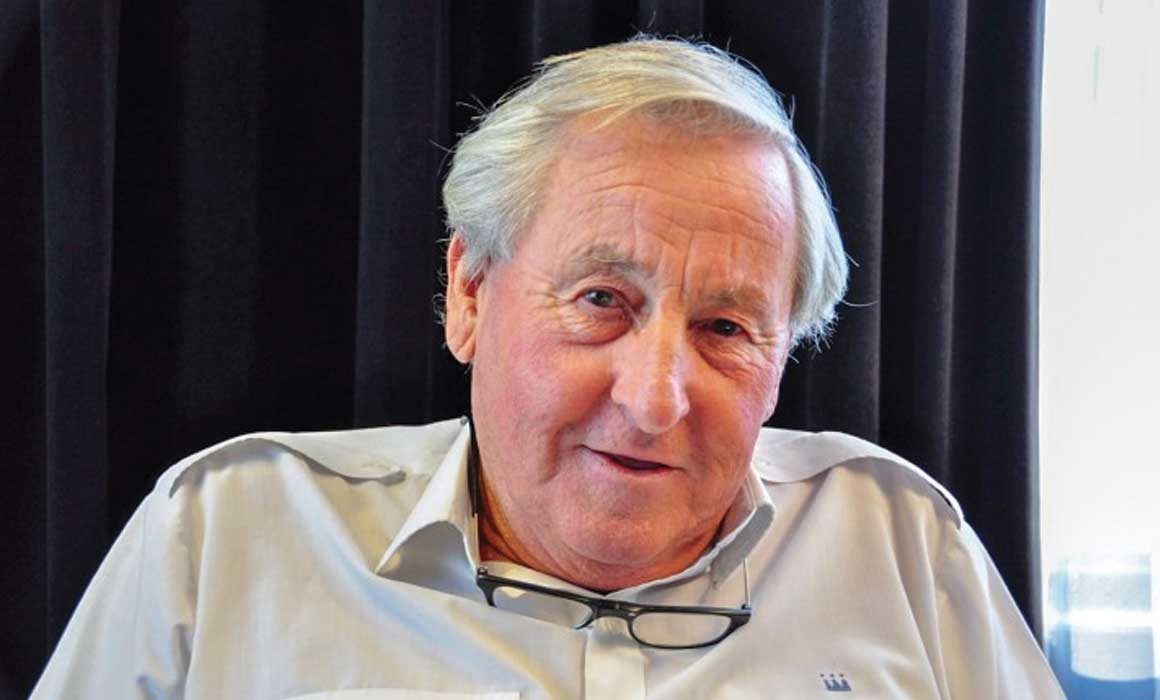
ALAN WARWICK 1934–2018
Born in Wellington in 1934, Warwick moved to Auckland in 1952 to begin an architectural degree.
He started sailing in M Class yachts and, after buying and sailing a Des Townson Zephyr, began building his first keeler in 1962, a 6.7m Townson Pied Piper.
Warwick joined Chris Bouzaid’s Rainbow II campaign to win the 1969 One Ton Cup (OTC), before heading up Lou Fisher’s Young Nick campaign for the 1971 OTC.
He also worked with Laurie Davidson on the design of the Half Tonner Swooper of Cox’s Creek, which later became the basis for the GRP production Davidson 31.
His first commission was the IOR quarter tonner, Quarter Pint, while his second was the well-known Longfellow.
He also designed the 747 and 927 Stratus cruiser/ racers, the Trojan 750 trailer-sailer, numerous sailing dinghies and a number of powerboats for Sea Nymph.
His first major offshore success was the Cardinal range of yachts, built in Taiwan, the success of which led him to found Warwick Yacht Design (WYD) in 1980.
Over the years WYD designed performance sloops, monohulls, multihulls, sportsfishers, luxury super yachts, high-speed launches, long-distance displacement cruisers, commercial boats and, increasingly, luxury, one-off commissions.
Many luxury commissions were built in Europe and Turkey. In all, Warwick and his team designed more than 500 boats, making him one of this country’s most prolific and successful yacht designers.
To him, boat design was as much about the form as the function. Attention to detail was paramount.
WYD was a family business, with wife Gael having considerable input into interior design and son Bruce specialising in CAD design. This gave Warwick the freedom to focus on client relationships, overall concepts and mentoring staff.
Like everyone in the industry, the 2008 GFC impacted on WYD’s business and it had to retrench. Over the last few years, Warwick had increasingly been passing the baton to Bruce although he continued to take a keen interest in all aspects of WYD.
Warwick unexpectedly died on September 20 at North Shore Hospital following complications from an injury suffered in Samoa. He’s survived by his wife Gael, children Bruce, David, Malcolm and Sondra, and numerous grandchildren and great-grandchildren.
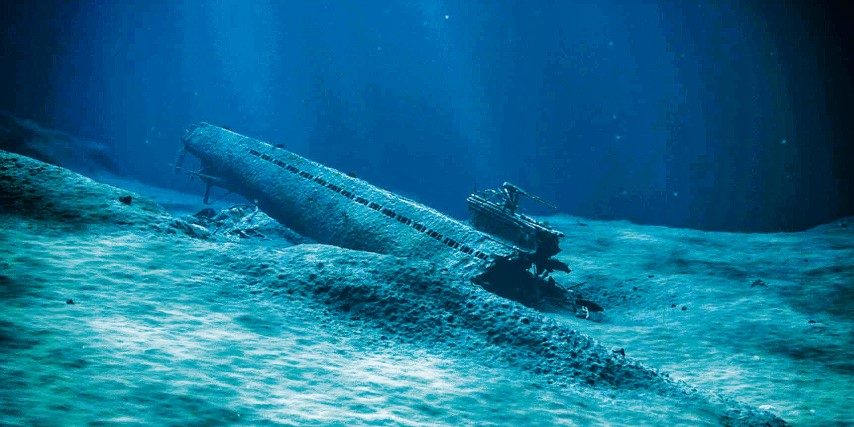
NAZI SUB TO BE ENTOMBED
U-864 was torpedoed off the coast of Bergen, Norway, by British sub HMS Venturer in 1945. Among U-864’s cargo were 1,800 canisters – around 65 tonnes – of mercury.
An estimated four kilograms of mercury has been oozing into the water every year – forcing authorities to ban boating and fishing in the area. The mercury has caused high levels of contamination in cod, torsk and edible crab.
The Norwegian government now plans to cover the 11 acres of seabed around the 2400-tonne wreck with up to 40ft of rubble to contain the leaking mercury. Expected to cost up to $50 million, the operation will start next year and finish in 2020.
Researchers say similar entombing projects to contain mercury-contaminated sites have been used around 30 times over the last
20 years and have worked well. Campaigners wanted the submarine salvaged and brought ashore but the authorities say the canisters could break if they are moved.
The shipwreck was first discovered in March 2003 by a Royal Norwegian Navy minesweeper after being alerted by local fishermen.
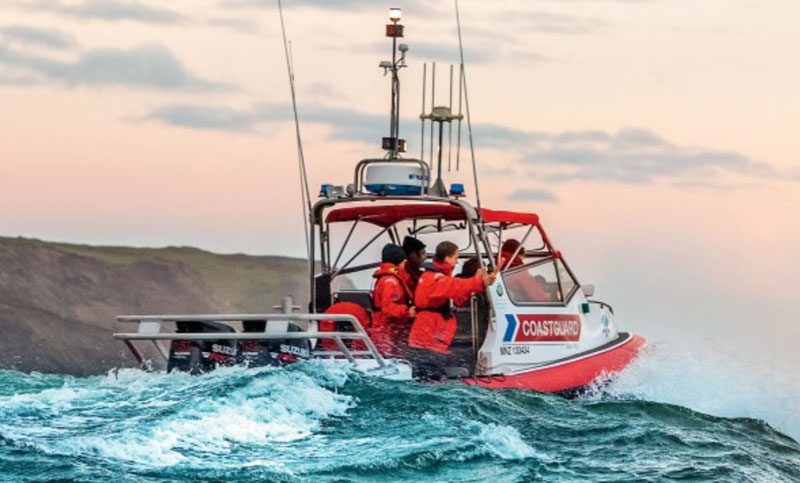
BOATIES BEHAVING MORE SAFELY
The Ipsos 2018 Recreational Boating Survey canvassed adult members of the general public regarding their boating habits. It examined the extent to which the population participates in recreational boating activities, with a focus on safetyrelated attitudes and behaviours, and awareness of Maritime NZ’s recent recreational boating safety campaigns and related activities.
Maritime NZ Deputy Director (and Incoming Chair of the Safer Boating Forum) Sharyn Forsyth says the results are encouraging.
BOATING BY THE NUMBERS 2018
- 1.5 million adults (42% of New Zealanders) were involved in recreational boating last year
- Kayaks remain the most popular craft used by boaties (33%), followed by power boats under 6m (22%), and dinghies (11%)
- Last year 19 people died in recreational boating accidents. Of these, 18 were men – 14 over 40 years (the highest fatality group)
- The percentage of boaties having at least two ways to signal or call for help if needed ‘every time’ has risen to 43% in 2018 from 38% in 2017
- The decision to avoid alcohol ‘every time’ either before or during time on the water has risen from 61% in 2017 to 67% in 2018“It’s fantastic to see that 92% of boaties say that boating safety is personally important to them because attitude influences behaviour. The decade spent by the Safer Boating Forum and councils promoting safer boating is really increasing boaties’ safety awareness.”
Lifejackets remain the most prevalent form of safety device taken on boating trips and the number of boaties wearing their lifejackets on the water all or most of the time remains stable at 75%.
“Most encouraging are the significant increases from last year in the three other risk areas – checking the weather, taking communications and avoiding alcohol before going out on the water.”Boaties checking the weather has risen to 85%; 67% are avoiding alcohol ‘every time’; and 43% of have at least two ways to signal or call for help if needed.
TALL ORDER
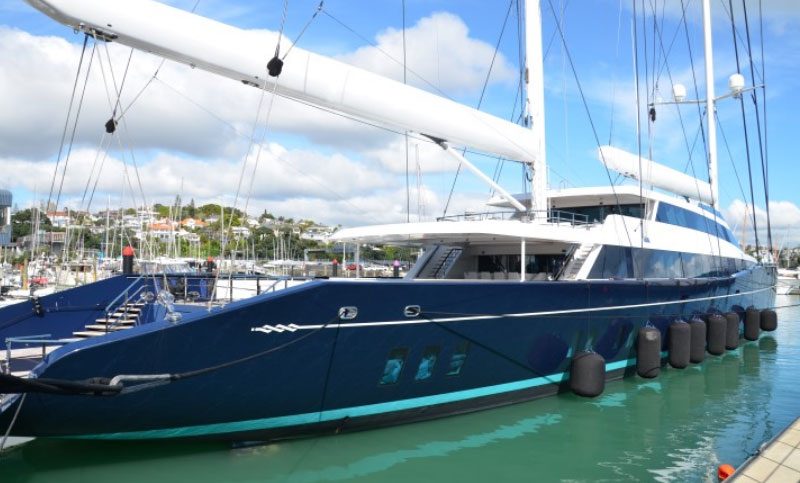
At 86m LOA, the Dutch-built Aquijo is so large that she is unable to sail under the Harbour Bridge – her 91m carbon fibre masts rise more than 25m over the bridge’s central span. Those masts – carrying some 5000m2 of sail – were built by Southern Spars.
Her 3Di mainsails – weighing around two tonnes each – had to be lifted off the vessel by crane and are being serviced by North Sails. Her 200-tonne lifting keel is the largest ever designed and has an 11.6m draught (5.2m when retracted). Even when moving her into position alongside her berth at Orams at high tide, she cleared the mud bottom by just 200mm.
Launched in 2016, Aquijo can accommodate up to 12 guests in seven cabins. She has a crew of 17 from all corners of the globe – South Africa, Australia, England, Estonia, Barbados, Brazil, the US, Canada, the Netherlands – as well as three New Zealanders.
Her website says she is available for charter at €450,000 per week (low season) or €550,000 per week in high season.
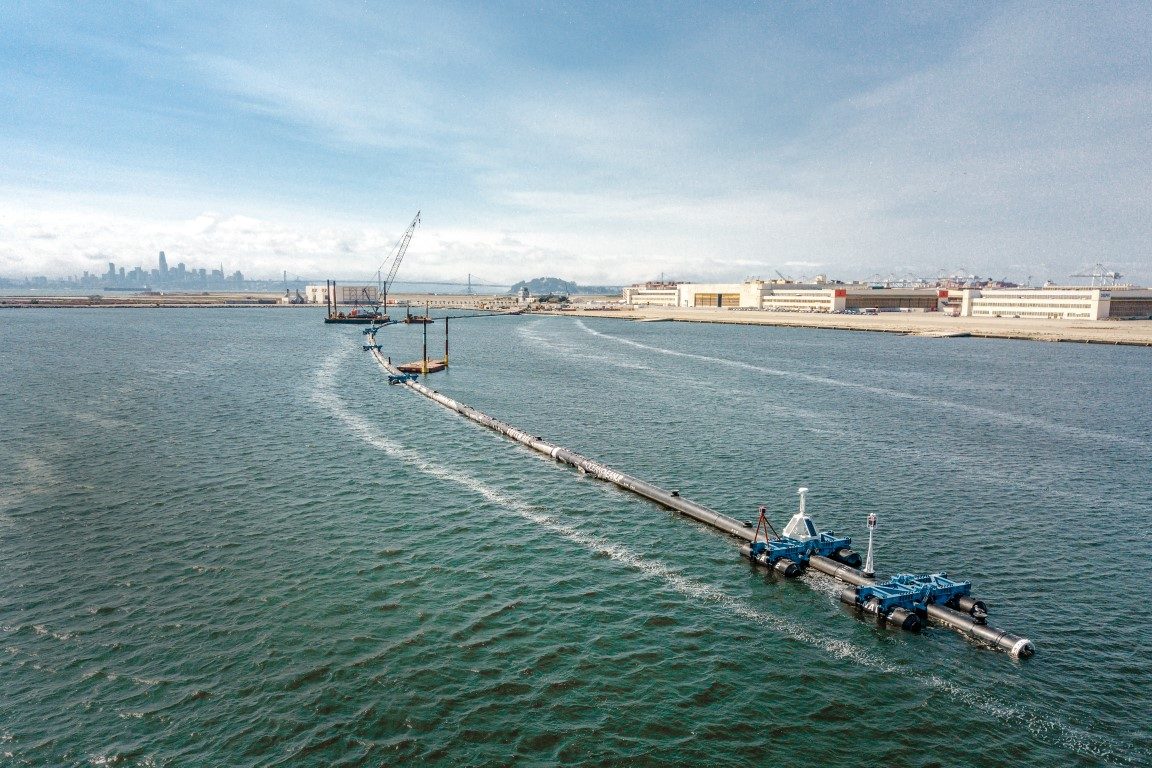
BOOM TO CORRAL PLASTIC LITTER
The system was created by The Ocean Cleanup, an organisation founded by Boyan Slat, a 24-year-old innovator from the Netherlands. Boyan became passionate about cleaning the oceans at age 16 after seeing more plastic bags than fish while scuba diving in the Mediterranean Sea.
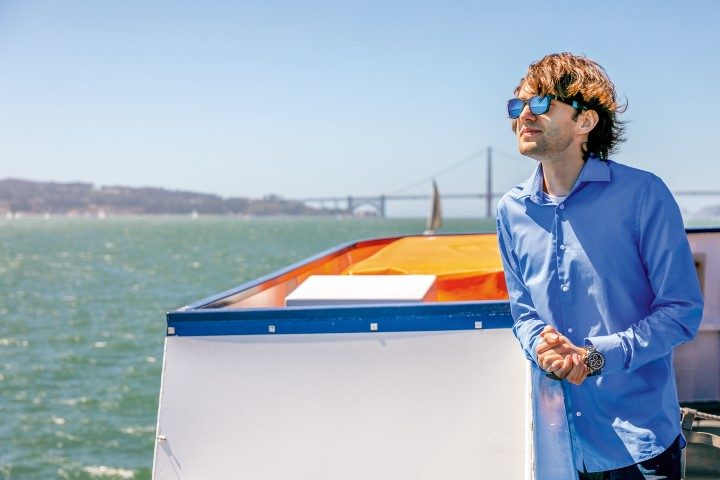
Researchers with Slat’s organisation found plastic going back to the 1960s and 1970s bobbing in the garbage patch, illustrating how persistent plastic is in the environment.
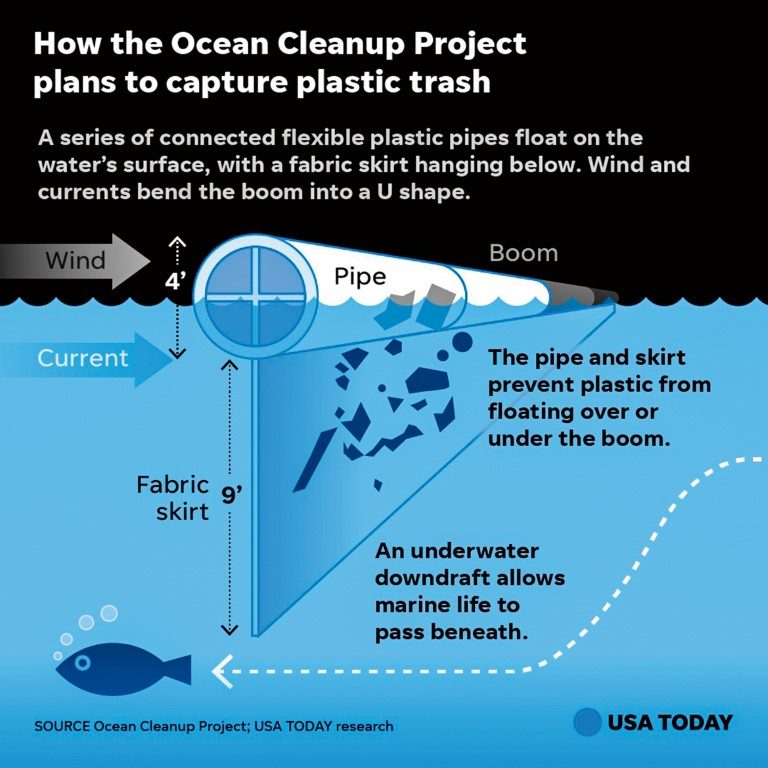
The buoyant, U-shaped barrier with a tapered 3m-deep screen is intended to act like a coastline, trapping some of the 1.8 trillion pieces of plastic that scientists estimate swirl around in the North Pacific gyre. Marine life can safely swim beneath it.
A support vessel will fish out the collected plastic every few months and transport it to dry land where it will be recycled.
The Ocean Cleanup, which has raised millions in donations to fund the project, including from Salesforce. com chief executive Marc Benioff and PayPal co-founder Peter Thiel, intends to deploy 60 free-floating barriers in the Pacific Ocean by 2020.
“One of our goals is to remove 50% of the Great Pacific Garbage Patch in five years,” Slat said.
The free-floating barriers are made to withstand harsh weather conditions and constant wear and tear. If everything goes to plan, they will stay in the water for 20 years, collecting 90% of the rubbish in the patch.
Not everyone is convinced the booms will work, however, pointing out that even if plastic rubbish can be taken out of the ocean, a lot more is pouring in each year.
MARINA LAND SALES ON HOLD
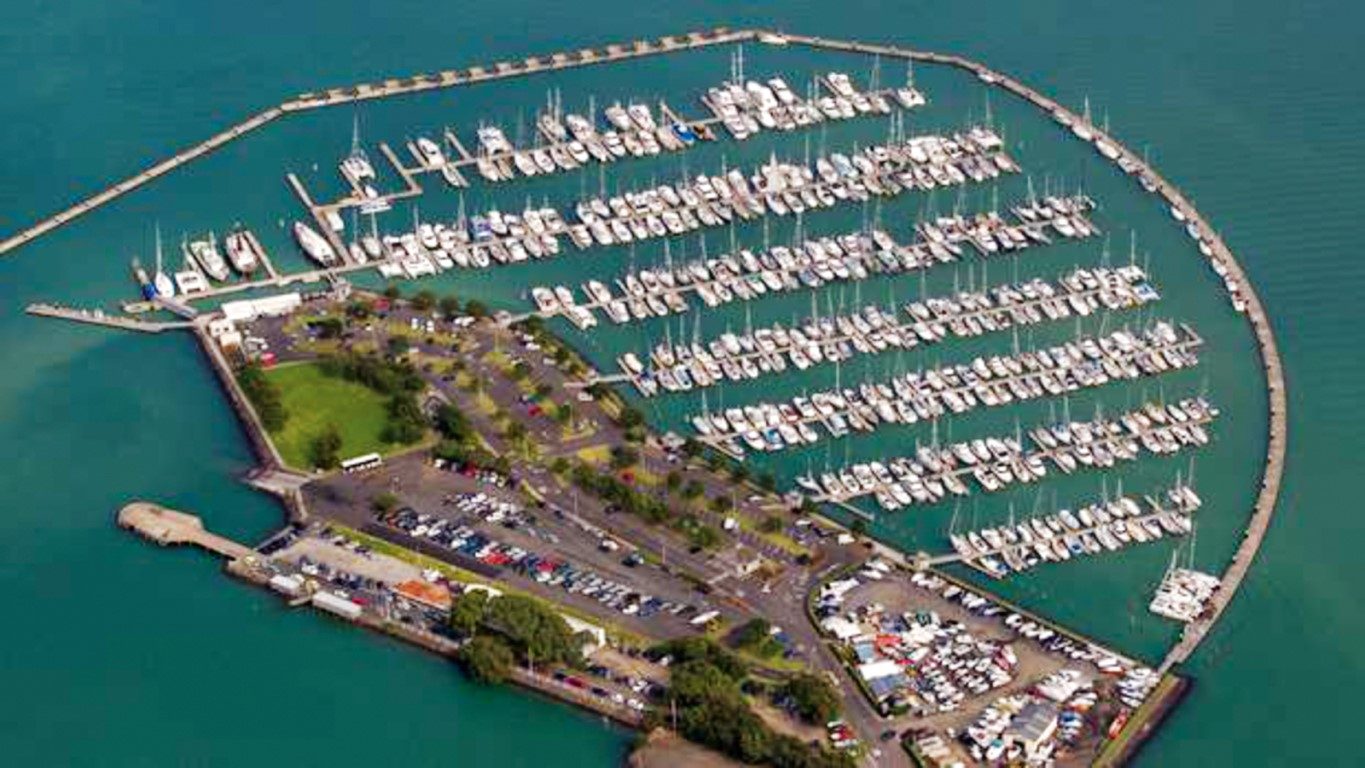
Six of Auckland’s 12 marinas are privately owned with the remainder owned by council and operated by Panuku.
Councillors at a planning committee meeting in early September decided to halt the sale of marina assets until a strategic plan is developed for the city’s 12 marinas, following vocal opposition by boaties and local communities.
Several groups, including the Auckland Marina Users Association, oppose moves from the council’s development arm, Panuku, to sell marina assets from council-owned Pine Harbour, Bayswater and Hobsonville marinas for development.
The council’s strategic approach to marinas was criticised by the association, which called for a halt on the sale of marina land until an independent strategy is developed.
Mayor Phil Goff, ignoring recommendations from his officers to complete the strategic approach by December, possibly excluding the public, said it was better to be thorough, not rush it, and get it right.
“This is an opportunity for Auckland boaties to make contact and contribute, for the first time, to a global marina strategy for Auckland,” says Euan Little, chairman of Westhaven Marina Users Association.
“This is a huge opportunity to glean a variety of opinions. Traditionally Panuku have severely restricted proper consultation and this is the very first opportunity to prove to Council that public consultation can be effective and easy to gain and manage.
“At AMUA, we believe that we have this chance to make a point with Council, to prove the Panuku approach to be flawed and to establish longer term and better protection for all of the marinas in Auckland.”
Little encourages boaties to contact their respective Marina Berth Holder Associations.
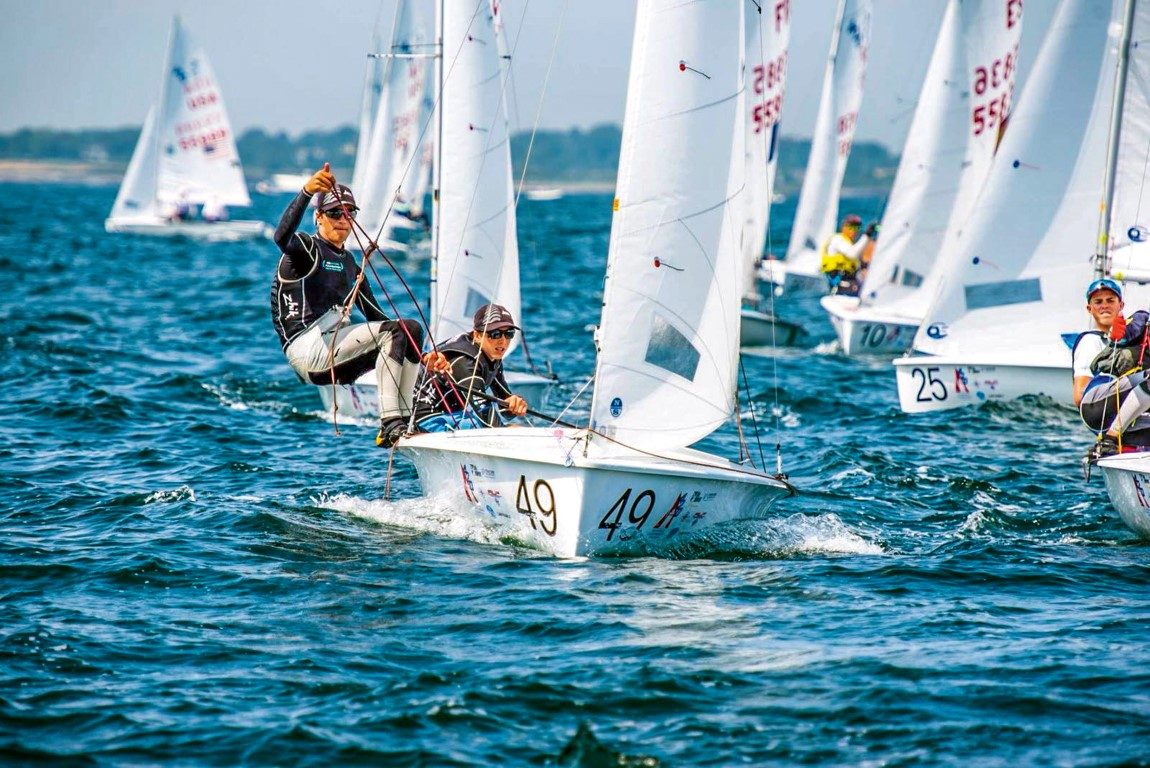
YOUTH TRIUMPHS AT 420 WORLDS
The boys found their way to the podium in Newport, Rhode Island, USA by winning five of their 12 races, including two in the gold fleet. Their margin over the second-placed Spanish team was a massive 48 points.
Remarkably, Menzies is just 13 years old and McGlashan 15, but the boys raced in the open division, having gained entry to the Worlds at the youth sailing world champs at Corpus Christi the month before, where they finished fifth. Menzies and McGlashan were one of five Kiwi teams competing at Newport.
Making their achievement even more laudable is the fact the pair have only been sailing together for a little more than a year.
“It’s almost unbelievable,” McGlashan said on his way to the prizegiving. “We haven’t been in the class that long so we’re pretty new to it. We didn’t really think we could get this far this quickly.”
Past winners of the 420 World Championships include Carl Evans (2006) and Peter Burling (2007), Jo Aleh and Polly Powrie (2007) and Alex Maloney and Bianca Barbarich-Bacher (2009).
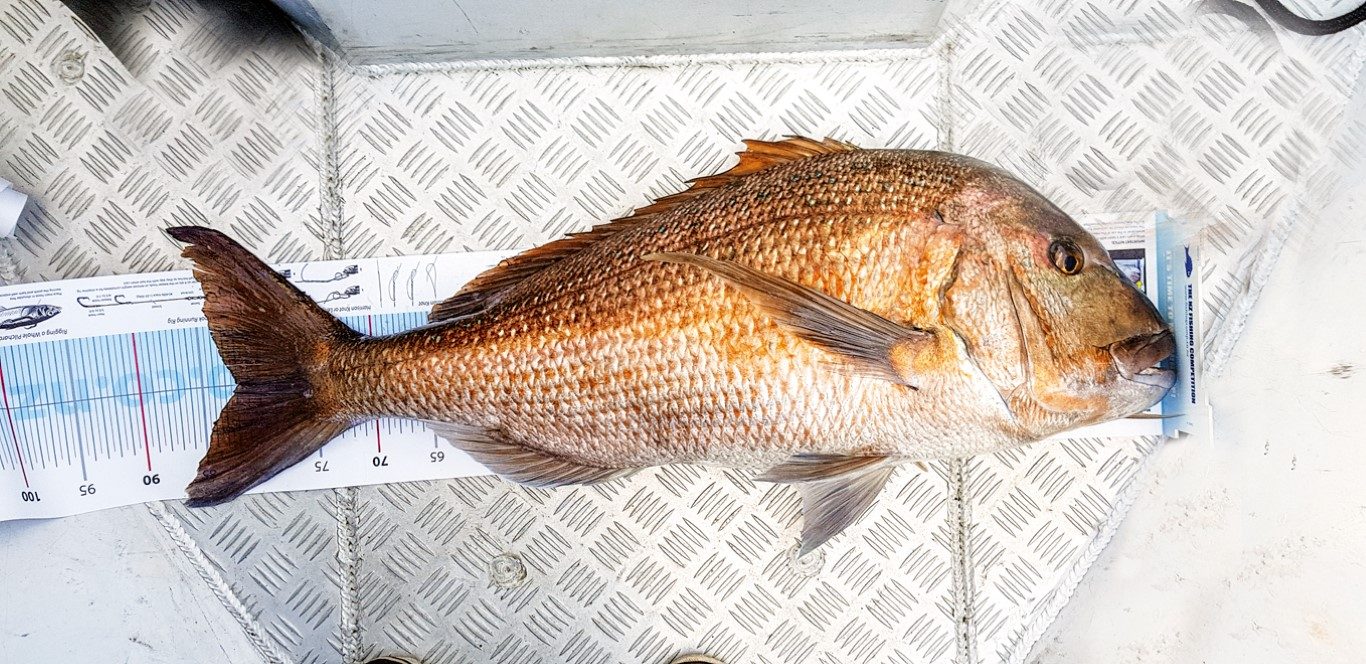
OBC GETS THEIR MEASURE
The club’s fishing competitions are now run on a measure-only basis, giving anglers the choice to either keep or release their catch while still being eligible for prizes.
Grant Blair, a director of NZ Fishing Media and founder of the DB Export NZ Fishing Competition, a national annual on-line contest fished on a measure basis, applauds the move.
“Using length measurement as the criteria for assessment provides the foundation for anglers to make the best decisions for our precious resources,” Grant says.
“Photographing the fish on a length measure empowers contestants to keep the best eating fish while releasing the rest of the catch. That means OBC members can still be rewarded for a significant catch and also have the option to release it.”
The OBC is the first club in Aotearoa to measure length over all its events.
“Changing the competition rules to ‘length’ rather than ‘weight’ is a great example of the club being on the right side of the sustainable fishing effort,” says Brian Hood, the OBC’s CEO.
Other club initiatives include the Kai Ika Project, which has diverted over 16 tonnes of fish off-cuts to a community healthy food programme. The project involves LegaSea and the Papatuanuku Kokiri Marae in Mangere. The marae utilises the fish and frames/heads to provide nutritious meals for the community, with other waste dug into their vegetable gardens as fertiliser.
www.obc.co.nz
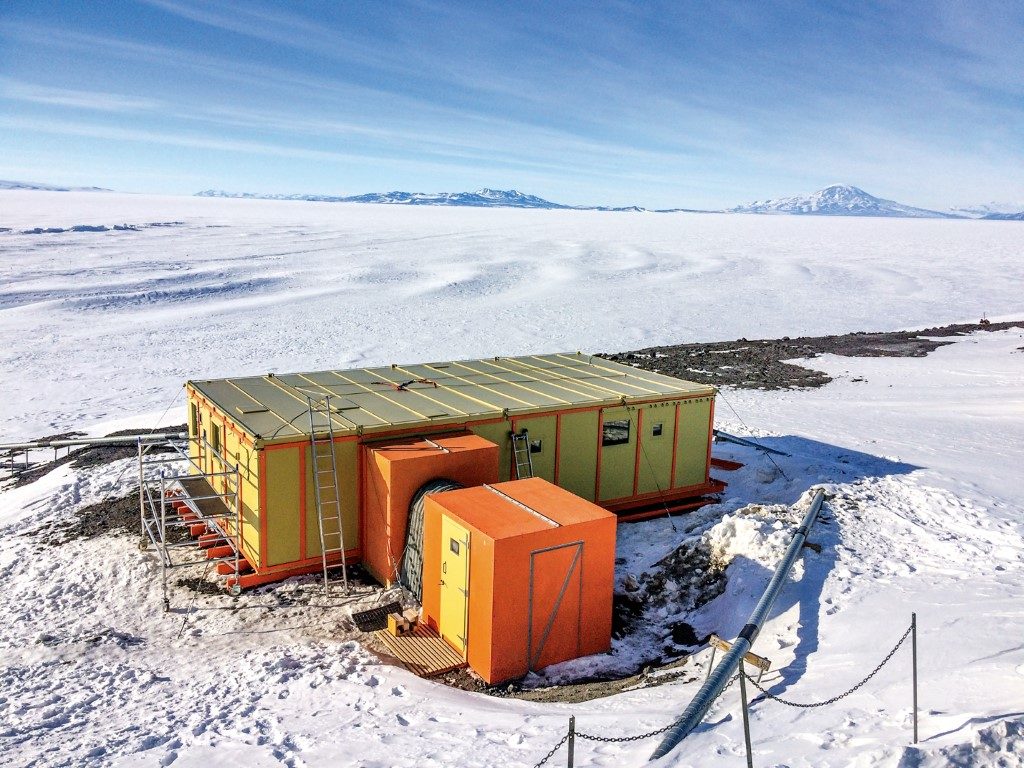
HISTORIC HUT IN ANTARCTICA PRESERVED
A specialist team from the Antarctic Heritage Trust spent three months in temperatures as low as minus 40°C renovating the famous landmark, which was built in 1957. Exterior work included building a new aluminum roof coated with a special batch of the company’s Polydure® coil over the existing leaky one.
Originally constructed for the Commonwealth Trans-Antarctic Expedition, the hut houses more than 500 painstakingly conserved artifacts.
The new aluminum roof was painted by Pacific Coil Coaters in New Zealand and installed by specialist standing seam roofer, Mike Burgess, on top of the existing roof, preserving the original building for future restoration.
Money for the million-dollar project was raised in New Zealand and included a government contribution of $180,000.
Hillary’s hut forms part of Scott Base, New Zealand’s only Antarctic research station. It joins several other buildings on the frozen continent to have been coated by AkzoNobel, including the British Antarctic Survey’s Halley VI research station and explorer Robert Swan’s e-Base at Bellingshausen.
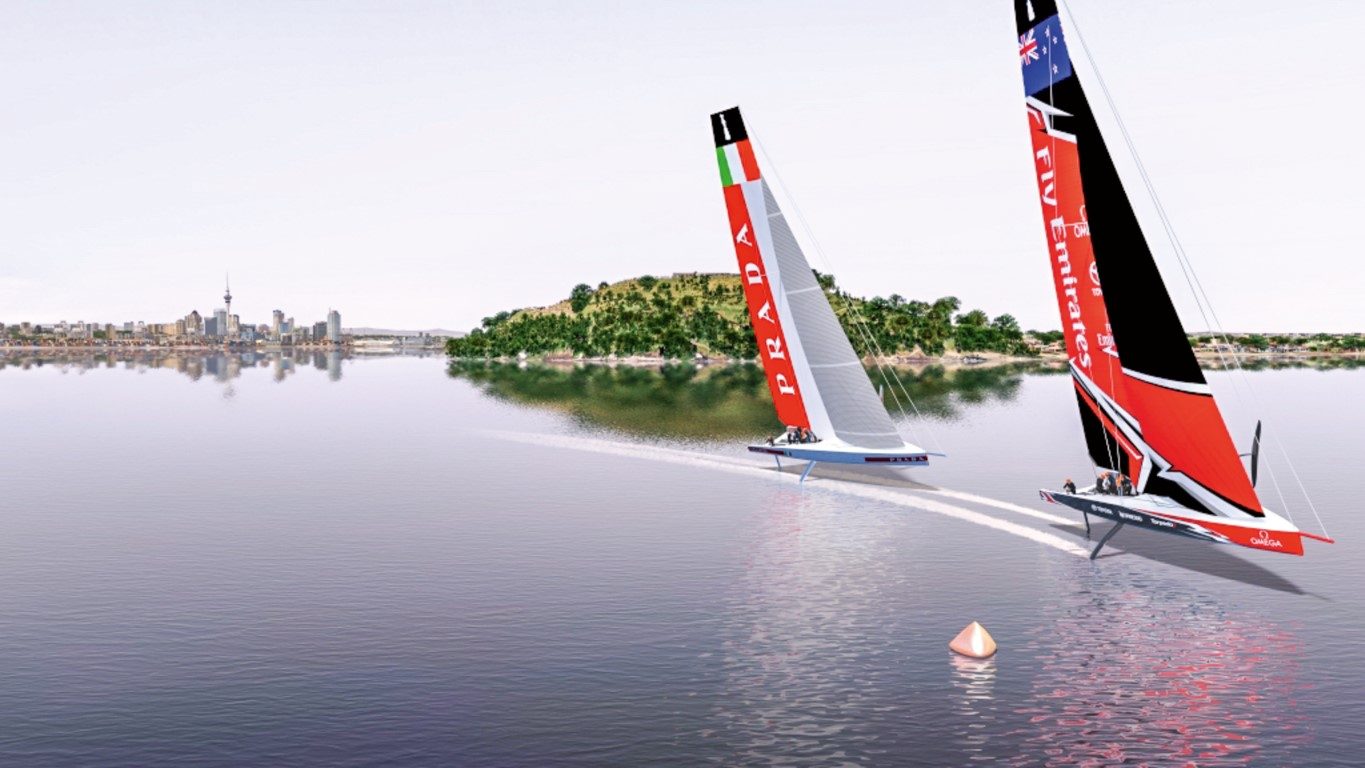
AC UP CLOSE AND PERSONAL
On behalf of the Royal New Zealand Yacht Squadron, Grant Dalton officially named Auckland as the venue for the 36th America’s Cup Match Presented by Prada.
Racing will take place March 6-21, 2021. The Defender, Emirates Team New Zealand, will race against the winner of the Prada Cup, the Challenger Selection Series, in a best of 13 (first to seven points) in the America’s Cup Match.
The Racing Area encompasses the wider Hauraki Gulf, running south along the North Shore beaches around North Head, the inner Waitemata Harbour right up to Auckland’s harbour bridge and downtown CBD, across Auckland’s Eastern suburbs and all the way out the Tamaki Strait between Waiheke Island and Maraetai.
This configuration will offer a plethora of race course options, to accommodate a full range of wind directions and conditions.
One of the main objectives in identifying the specific race courses was to bring the racing as close as possible to land-based spectators. From both North Head and Bastion Point, the public will be able to hear the AC75s whistling above the water and see the wind shifts on the water without having to set foot on a boat.
On the water, the Harbour Master and all related agencies are working together to make this America’s Cup the most inclusive and spectator friendly America’s Cup ever, said Dalton.
A tentative race time window of between 4:00pm and 6:00pm local time has been agreed to allow enough time for a typical March sea breeze to reliably establish itself across the Waitemata Harbour and Hauraki Gulf race courses.
Race day cancellations due to excessive wind or swell, as was seen in the 34th America’s Cup in San Francisco, should be minimal because the course area directly between Eastern Beach and Waiheke Island provides a sheltered, all wind direction race course. This area was the training ground of Emirates Team New Zealand for their successful 35th America’s Cup challenge in Bermuda.
The definitive race distance will depend on the wind speed and selected race course each day, with an anticipated 35-minute race duration, including pre-start, based on a typical windward-leeward configuration, with potential for a dramatic final reaching leg to the finish line.
www.americascup.com
GUIDE FOR VISITING YACHTS
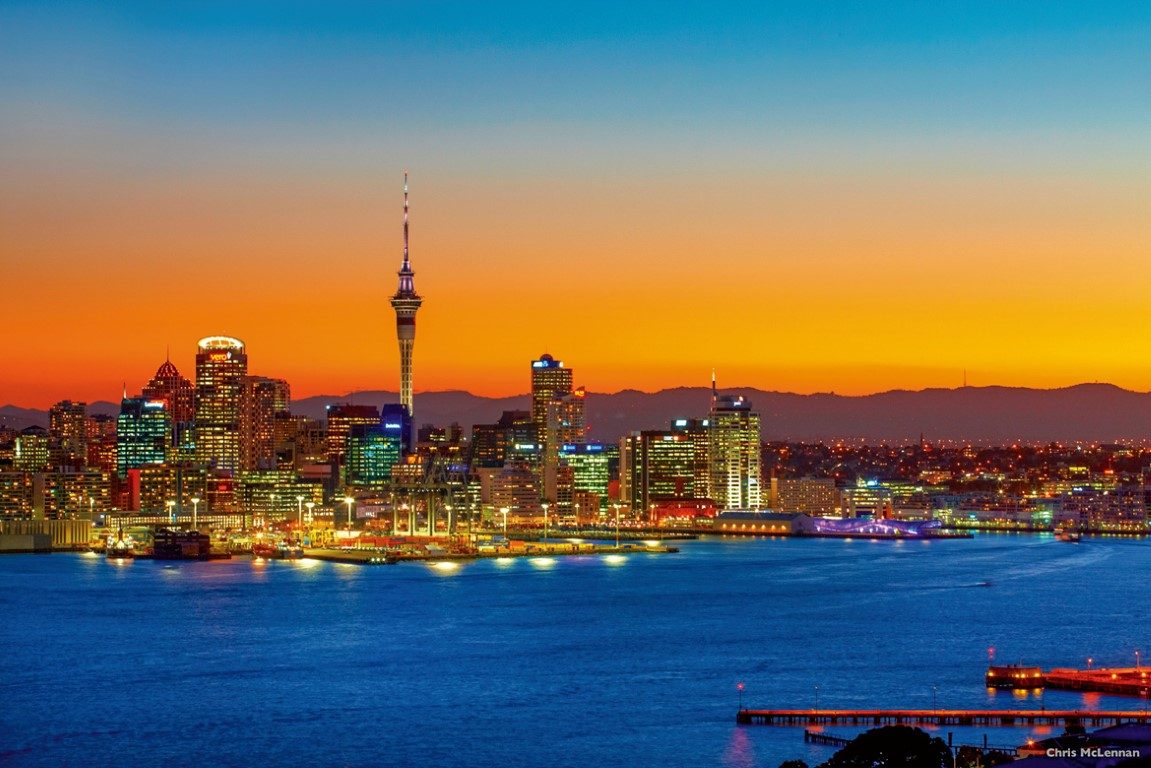
Major events include the Auckland On Water Boat Show in September 2020, the Christmas Race for the America’s Cup Defender and challengers, December 10-20, 2020, and the New Year’s Day Regatta and party hosted by the Royal New Zealand Yacht Squadron to celebrate its 150th anniversary.
The New Year celebrations continue with the New Zealand Millennium Cup superyacht regatta in the Bay of Islands, February 2-5, then the Prada Cup and the J Class Yacht Regatta in February, both held in Auckland’s Hauraki Gulf. America’s Cup match racing kicks off in March.
The guide contains details about New Zealand’s globally recognised refit and supply industry, with a comprehensive directory of marine services and suppliers. It also includes useful information on how to get to New Zealand, arrival protocols, and how best to experience the Pacific nation’s waters.
Yachts interested in staying long-term in New Zealand will find comprehensive information on local maritime law. Visiting yachts are granted a 24-month temporary import entry (TIE) and are entitled to purchase equipment exempt from the local 15 percent GST. Superyachts wishing to charter in New Zealand can do so if they hold a SOLAS Convention Certificate and have the necessary Maritime NZ approval.
The guide includes recommendations from industry experts on where to go and what to see, organised region by region and hard copies will be available at the Monaco Yacht Show, METSTRADE, Amsterdam and other international events.
Destination & Cruising New Zealand can be downloaded at www.nzmarine.com/destination-nz
For hard copies contact: Peter Busfield at NZ Marine, peter@nzmarine.com

The importance of crotch straps
There are two main types of lifejackets on the market for recreational boaties: foam jackets with positive buoyancy, and inflatables that require air/CO2 to provide buoyancy. Choose the type that is appropriate for the wearer and the type of boating you’re doing.
Inflatable lifejackets are wonderful pieces of kit – they’re comfortable to wear and provide plenty of buoyancy when activated. However, there are a couple of things to be aware of. First, they come in automatic and manual activation models, so you need to consider how the wearer would react to being unexpectedly in the water. Would they have the presence of mind to pull the toggle on a manual jacket?
Perhaps an auto-inflate or foam jacket might be more appropriate for younger wearers or novice boaties.
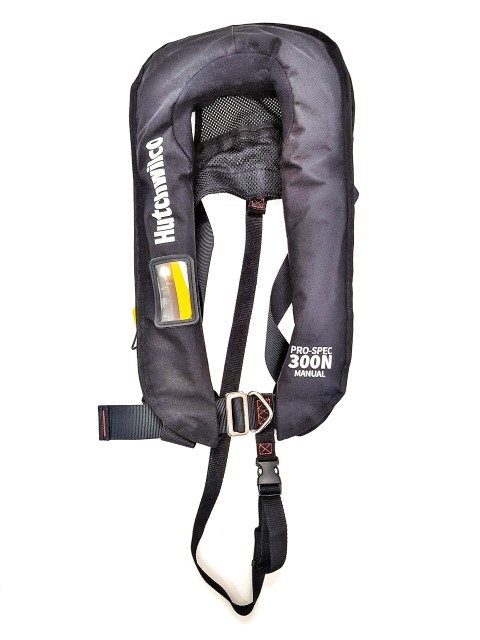
Secondly, inflatable jackets require an annual inspection to make sure that the bladder hasn’t been punctured, the gas canister hasn’t come loose, gone rusty or been accidentally activated and wrongly reassembled (as was the tragic case in the NZ military several years ago). There are some excellent YouTube clips on servicing a lifejacket from New Zealand companies, but if in doubt, get your inflatable lifejacket professionally serviced.
Foam jackets should also be visually inspected to ensure they are in good condition with straps and clips in good order. Foam jackets are designed for different boating activities and provide various levels of buoyancy. Speak to your retailer or check out saferboating.org.nz to choose the right lifejacket for your boating needs.
When doing your checks, you may find that you have old, bulky lifejackets on your boat like the orange example pictured. These kapok-style jackets are UNSAFE and should not be used. With age they can absorb water and cause the wearer to sink. Cut these up and take them out of circulation, or else bring them to us and we’ll take them off your hands during our Old4New campaign kicking off in December (old4new.nz).
Which brings us to a small thing that can make a big difference: a simple crotch strap. Some lifejackets come with these as standard and others have them as an optional extra. The evidence is compelling – fitting a crotch strap will improve the performance of your lifejacket (Lunt, White & Tipton, 2014).
The Transport Accident Investigation Commission report on the Francie tragedy in November 2016 makes it clear that, “when a person wearing a lifejacket unexpectedly finds themselves in the water, their chances of surviving are significantly improved if the lifejacket is of the appropriate type for the conditions and size of the person, and is fitted with a crotch strap to prevent their losing it when it rides up and over their head.”
If your lifejacket doesn’t have a crotch strap fitted, put it on your shopping list. If it’s good enough for Coastguard crew to use them, you’d be mad not to fit them to your lifejackets.
A lifejacket is an essential piece of boating safety equipment so don’t be tempted to skimp on costs and do remember to look after it. Buy a good quality jacket from a knowledgeable retailer and remember that one size doesn’t fit all, so make sure you’re getting competent advice.
Have a great build up to summer.


