
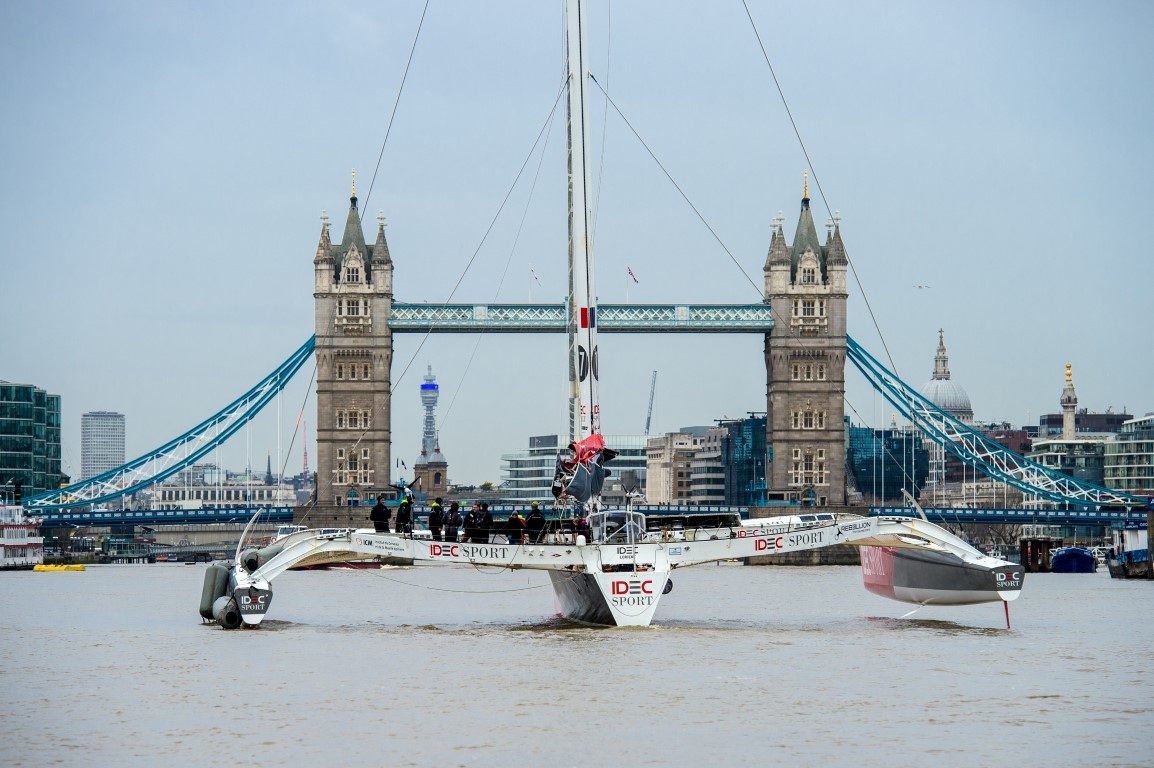
Trimaran breaks Tea Route speed record
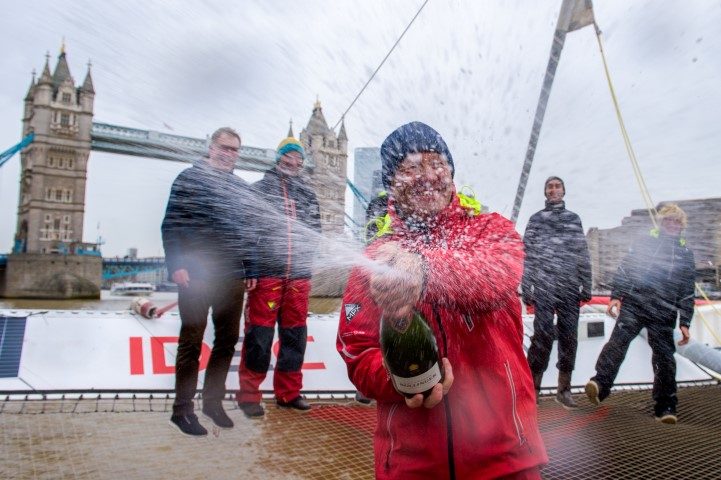
The IDEC SPORT maxi trimaran sailed by Francis Joyon, Bertrand Delesne, Christophe Houdet, Antoine Blouet and Corentin Joyon, set a new record for the Tea Route between Hong Kong and London on Wednesday 19th February 2020. The new reference time is 31 days, 23 hours, 36 mins and 46 seconds.
By lowering the record time for the Tea Route between Hong Kong and London to just over a month, Francis Joyon and his crew of four on the IDEC SPORT maxi trimaran have not only smashed Giovanni Soldini’s time by 4 days, but also divided by three the time it took the big clippers in the second half of the 19th Century to sail this route, as they fought a trade battle to be the first to bring the leaves for the revered brew back to London. Throughout the 15,873 nautical miles sailed out on the water at an average speed of 20.7 knots. Launched back in 2006, IDEC SPORT has won the Route du Rhum three times and is the holder of the Jules Verne Trophy.
Almost a day and a half ahead at the Cape of Good Hope
Living up to their reputation, Francis Joyon and his men did notstay on stand by to await the perfect weather opportunity. On Saturday 18th January, they decided with the benediction of their weather advisor, Christian Dumard, to cast off and leave the huge urban conurbations of Hong Kong and Shenzhen behind them, as they were clearly eager to be back at sea enjoying the confined living conditions aboard their big trimaran. The southern part of the China Sea and the voyage along the coast of Borneo and Java were particularly inhospitable a few weeks earlier on their way out for the men on IDEC SPORT, with frustrating calms, banks of mist and countless floating obstacles lying in wait around the hundreds of islands and rocks of Indonesia.
But on this voyage home, the conditions were very different with a NE breeze propelling IDEC SPORT on an efficient route towards the Sunda Strait, which is the gateway to the Indian Ocean between Sumatra and Java. Joyon arrived there with a lead of almost 300 miles over the record after 4 days of magical, fast sailing. The crew were enchanted by the long paradise beaches of white sands in Malaysia.
IDEC SPORT entered the Indian Ocean with a certain apprehension due to the threat far off the coast of Madagascar of the arrival of tropical cyclones. The trade wind, which had been so powerful on the way out a month earlier, had left the Indian Ocean and so Francis, Christophe, Bertrand, Antoine and Corentin had to dive a long way south to find their salvation. At a latitude of 35 degrees South, Francis was able once again to enjoy the incomparable light of the Indian Ocean and Corentin was able for the first time to observe with some amazement his first albatrosses.
Roaring across the ocean for eight days at over an average speed of over 25 knots, IDEC SPORT increased her lead over the record to 824 miles, before slowing down to tackle the tricky rounding of the Cape of Good Hope. 14 days, 17 hours and 29 minutes after setting sail from Hong Kong, and having sailed 7590 miles averaging 21.7 knots, they had a lead over the record of 1 day, 8 hours and 56 minutes. This was pleasing for the crew after two weeks exposed to the moods of the Indian Ocean, which offered them a bumpy ride from start to finish: “The Indian Ocean is full of secrets, and we weren’t able to
discover them all,” admitted Francis. “It had moods, which did not correspond in the slightest to what we had seen on the weather charts. We were sailing against the weather systems.”
With areas of high pressure they had to get around and lows which they coped with often by sailing with the wind on the
beam or even upwind, IDEC SPORT bounced from one system to another, shaken up by the violent fronts as they passed over. The short-handed crew were kept busy at all times setting the sails and above all responding quickly but cautiously
to the brutal wind changes on seas causing the big trimaran to raise her bows and floats right up.
The South Atlantic unwilling to cooperate
Getting back into the Atlantic was a moment of relief. It is true that they had been fast in the Indian Ocean, but they experienced conditions that punished the boat as they headed into the westerly swell. The men on IDEC SPORT were faced with two options. They could choose a route close to the coast of Namibia, as Giovanni Soldini did two years earlier, or try to find a way through the Doldrums close to the coast of Brazil. Francis hesitated. He was not happy with the thought of the conditions he would face in the Gulf of Guinea. On 3rd February with a comfortable lead of 740 miles, Captain Francis came to a decision. He would head towards the NW and Saint Helena with her strange volcanic silhouette, which looks like Napoleon’s hat. The rounding of the High of the same name went without hitch and Francis, Christophe, Bertrand, Antoine and Corentin enjoyed the rare pleasure of speeding along close to the mysterious island. But the South Atlantic had not finished yet with the intrepid sailors. The high stretched out around the Equator in latitude and in longitude. Thanks to the intrinsic speed of his IDEC SPORT maxi trimaran, Francis took up the challenge and decided to head even further west.
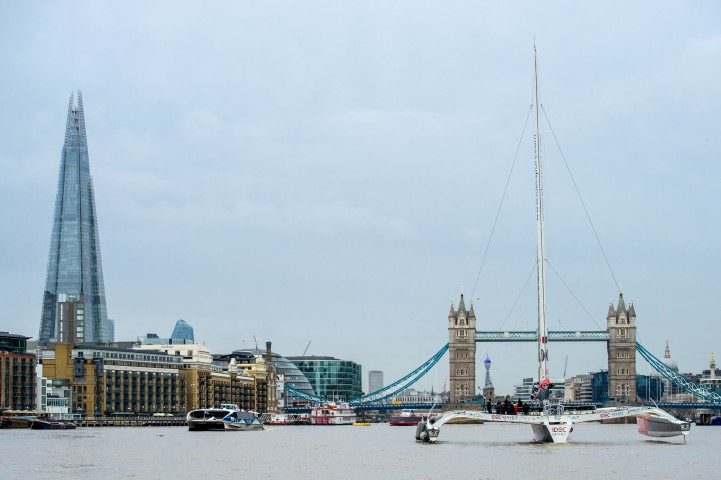
However, that was when a small low developed right in front of their bows as they headed towards Brazil. IDEC SPORT had no other choice but to round it via the east, bringing to an end the initial strategy. That was the start of a period of torture with moments of light airs, occasional squalls and as they approached the Equator, huge areas with absolutely no wind at all. Their comfortable lead melted away like snow in the sunshine and at dawn on 12th February, IDEC SPORT found herself 84 miles behind the pace set by her virtual rival. Although the Doldrums were not that powerful, they had stretched right out at 25 degrees West and the sticky conditions seemed to want to cling on to the giant trimaran. "In a South Atlantic like this, we would never have beaten the Jules Verne Trophy record!" exclaimed Francis, unusually disconcerted. But the NE’ly trade winds were there. Francis and his men were pleased to be back in the North Atlantic and on their way home. IDEC SPORT was off again and immediately stepped up the pace. The rest fell into place in text book style. Joyon and his sailors were aiming to pass by the Western Azores and managed to cross the high at its narrowest point to be able to hop onto the strong NW’ly air stream racing towards Europe. The gains came as quickly as the losses had wiped out their lead. In five days, they regained their 800-mile lead, which they had lost near Ascension Island. After just over a month of sailing, IDEC SPORT sped past the Lizard and tackled the final stretch of her epic voyage which involved sailing up the English Channel and entering the Thames.
Tough to the end
Nothing ever comes easy to Francis Joyon in spite of appearances, and his greatest achievements always feature unforeseen moments, where things start to look impossible. In those final, crucial hours of sailing in the English Channel and the Thames Estuary, where there were so many traps lying in wait, IDEC SPORT had to sail as if blind.
Having run out of diesel and with no sunshine to charge up the solar panels, the men aboard the boat had to do
without power. They could no longer use the radar, computer and had no access to the AIS system. The final night of this incredible record as they neared the eastern coast of England, was full of dangers.
Francis slowed down preferring to wait for the first light of day to tackle the final, tricky miles.
EXPANDED SNAPPER WORLD CUP
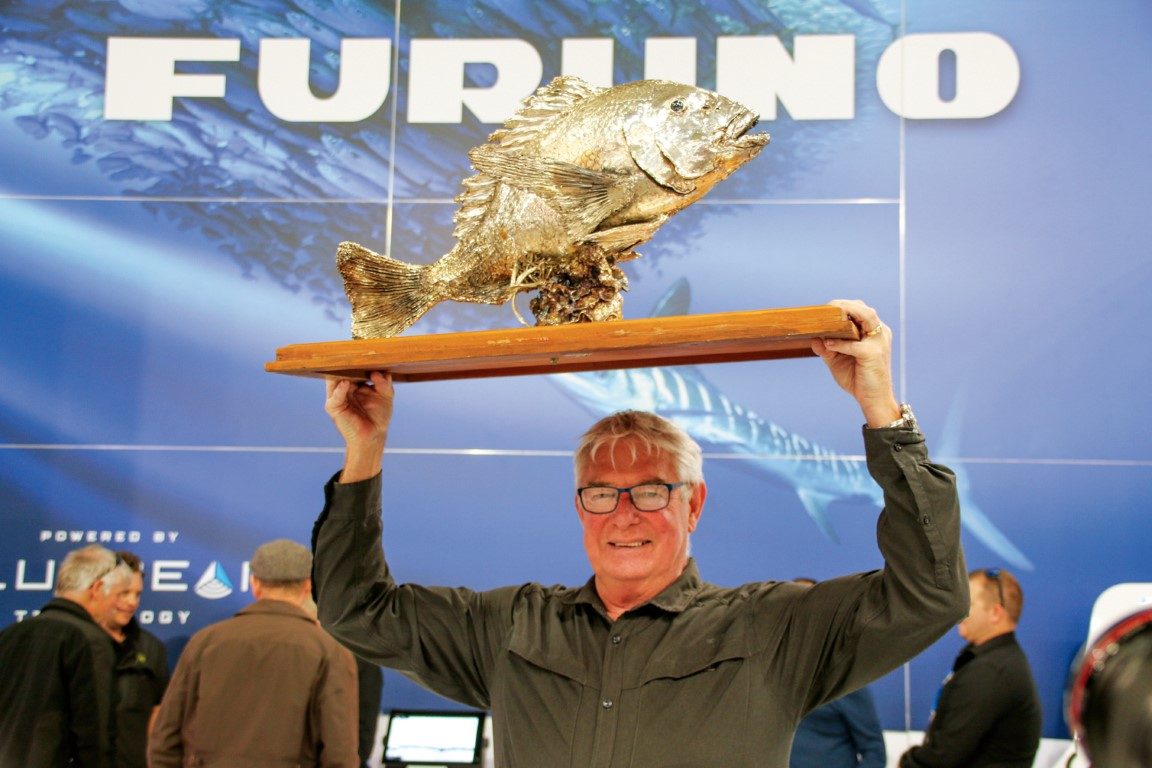
With the legendary Furuno Snapper World Cup expanding its reach in 2020, there will be more ways to win.
Traditionally, the trophy was up for grabs at key fishing competitions around New Zealand. But for 2020 an angler can now submit an entry caught anytime ‘outside’ an organised event.
The Furuno Snapper World Cup is partnering with the DB Export Fishing Competition through its website www.fishingcomp.co.nz to enable online entries.
As in 2019, there will be an increased focus on sustainable fishing with entries based around fish length – not weight. Entrants should photograph the fish caught on the official measure and upload it to the website.
ENL managing director Gareth Hodson says the aim is to open the event to as many anglers as possible in a way that fits in with the company’s conservation ideologies.
The event concludes on March 31 and the trophy will be presented at the 2020 Hutchwilco NZ Boat Show in mid-May. As well as the iconic Trophy, ENL is putting up $2000 worth of Furuno merchandise as a day’s charter with a top charter operator.
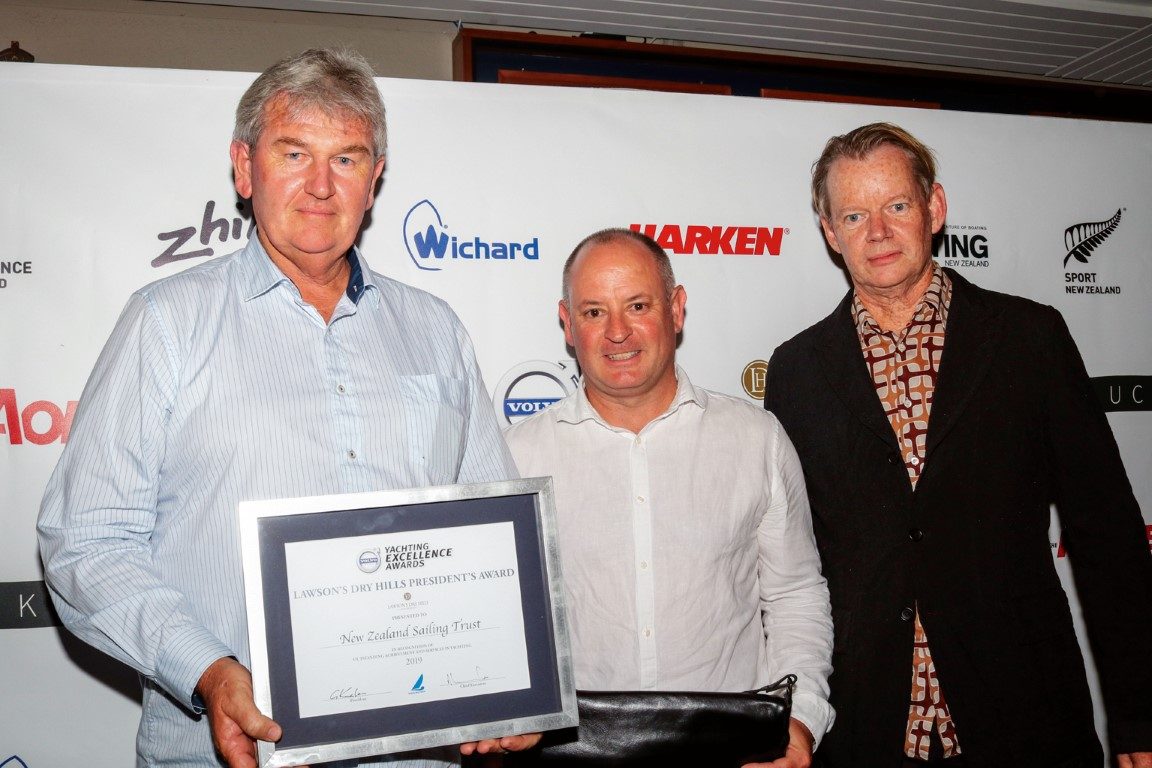
SAILING TRUST’S EXCELLENCE AWARD
The NZ Sailing Trust received the Lawson’s Dry Hills – President’s Award at the recent Yachting NZ Excellence Awards held at the RNZYS.
The President’s Award recognises the work carried out by organisations in promoting, supporting or developing the interests of yachting in New Zealand.
The Trust works with high schools, yacht clubs and community groups providing multi-day youth development sailing journeys aboard the its two Whitbread maxis – Lion New Zealand and Steinlager 2.
Over the past year 1200 young New Zealanders nationwide have benefited from the Trust’s programmes.
“We are very humbled for the recognition and would like to acknowledge and thank our sponsors, generous funders, dedicated crew, volunteers, ambassadors, patron and our Board of Trustees who all share this award and make the NZ Sailing Trust such a great success,” says NZ Sailing Trust CEO Paul Powney. For more information visit www.nzsailingtrust.org
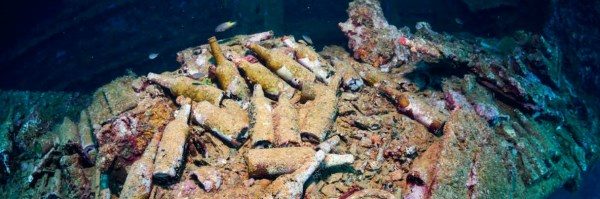
TSAR’S BOOZE RECOVERED
A shipment of exotic French cognac and liqueur destined for Tsar Nicolas II’s palace in Russia’s St Petersburg has been recovered from a shipwreck in the Sea of Bothnia – more than a century after it was dispatched.
The shipment – believed to be last ordered by the Tsar before his assassination in July 1918 – never made it to Russia. It was loaded on to the SS Kyros in December 1916. The ship’s route was via neutral Sweden, but because of heavy ice departure was delayed until May 1917.
Unfortunately, the ship was intercepted by the German submarine UC58. Her captain decided to sink her because the cargo was considered contraband. The SS Kyros crew was transferred to a nearby ship and later all returned safely to Sweden.
The wreck – in 77m – was first discovered back in 1999 but had to be cleared from fishing nets to allow divers and ROVs to gain access.
Finally – in October 2019 – the Swedish salvage vessel Deepsea Worker was able to retrieve the stash of alcohol – 50 cases of De Haartman & Co cognac and 15 cases of Bénédictine liqueur (the brand’s now owned by Bacardi). It is not known whether the stuff is still drinkable. The Bénédictine brand was created more than 500 years ago by French monks.
LOOT AT ANNIVERSARY REGATTA
The prize pool features a $1,000 Early Bird cash prize for one lucky person who enters the regatta before the end of the year. Spot prizes to be given away include a holiday in Hawaii, a 10-day voyage on the Spirit of New Zealand and a Viking kayak.
The Hawaiian holiday prize includes return flights for two people with Hawaiian Airlines, airport transfers courtesy of Hawaii Tourism, and four night’s stay in the luxurious Equus Hotel in sunny Honolulu.
Young sailors (aged between 16 and 18 when they take part in the regatta) can enter to win a voyage (worth $3,500) on the youth development vessel Spirit of New Zealand.
Burnsco has come on board as a sponsor this year, offering a Viking Lagoon youth kayak worth $499, plus other prizes totalling over $500. Winners will be drawn at the regatta’s prizegiving ceremony at the Royal New Zealand Yacht Squadron on Tuesday 18 February, 2020.
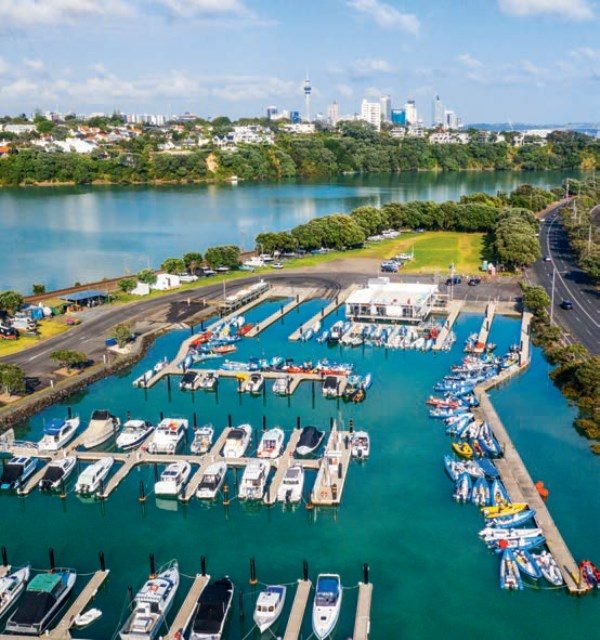
OBC LANDS SUPREME AWARD
Auckland’s Outboard Boating Club (OBC) has been recognised for its determined commitment to environmental performance with a Supreme Best Practice Award.
It was presented by Keep New Zealand Beautiful – the administrator of the international Blue Flag environmental certification system in New Zealand – and comes just three years after OBC qualified for the prestigious Blue Flag programme.
The Blue Flag programme audits and recognises marinas, beaches and eco-tourism boats in 47 countries around the world.
Keep New Zealand Beautiful’s Christine White says this is the first time it has introduced the Supreme Best Practice Award to recognise a marina, beach or boating operator that has consistently exceeded the international standards of the Blue Flag criteria.
It honours the “outstanding commitment to continuous improvement in environmental, educational and safety criteria. OBC has been recognised for its ongoing commitment to improving its facilities and operational practices across all areas of the Blue Flag criteria.”
Says OBC Commodore Bill Berry: “With ongoing information campaigns and training events, our members and staff know the high standard they must adhere to across our marina, the boat ramps and in the maintenance of their boats. As a result, club members are also increasingly conscious about the way they go about their recreational boating and fishing and we see this as a great benefit of being part of a progressive club.
“The motivation that drives us to do better is the beautiful Hauraki Gulf environment in front of us every day at OBC. However, enjoying the Gulf we also realise that it is an environment that is experiencing significant challenges, especially the impact of pollution. The recent closures of many of its beaches due to poor, polluted water is now a regular occurrence. At the same time, we are also facing the growing threat of climate change which will exacerbate the ecosystem problems of the Waitemata and Hauraki Gulf.”
Blue Flag focusses on five main areas: Environmental education and information, Environmental management, Boating Safety and Service facilities, Water quality and Social Responsibility.
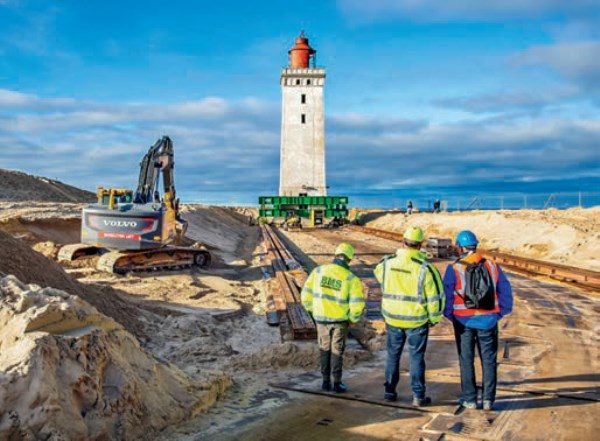
DELICATE SHIFT
Engineers have successfully saved a 1000-tonne, 120-year-old Danish lighthouse by using wheels and rails to gently slide it away from an eroding cliff edge in Jutland.
When built in 1900, the 23m Rubjerg Knude Fyr lighthouse stood some 200m from the cliff edge. By the time of the move, erosion had reduced that to six metres. A combination of rails, jacks and hydraulic systems were used to lift and move the lighthouse 50m inland.
The lighthouse ceased operating in 1968 and was briefly turned into a museum which included an exhibit about the structure’s struggle against sand drift. In the end, it was closed because of shifting sands which slowly buried the two buildings adjacent to the lighthouse.
The operation took 10 hours and cost just over $1million.
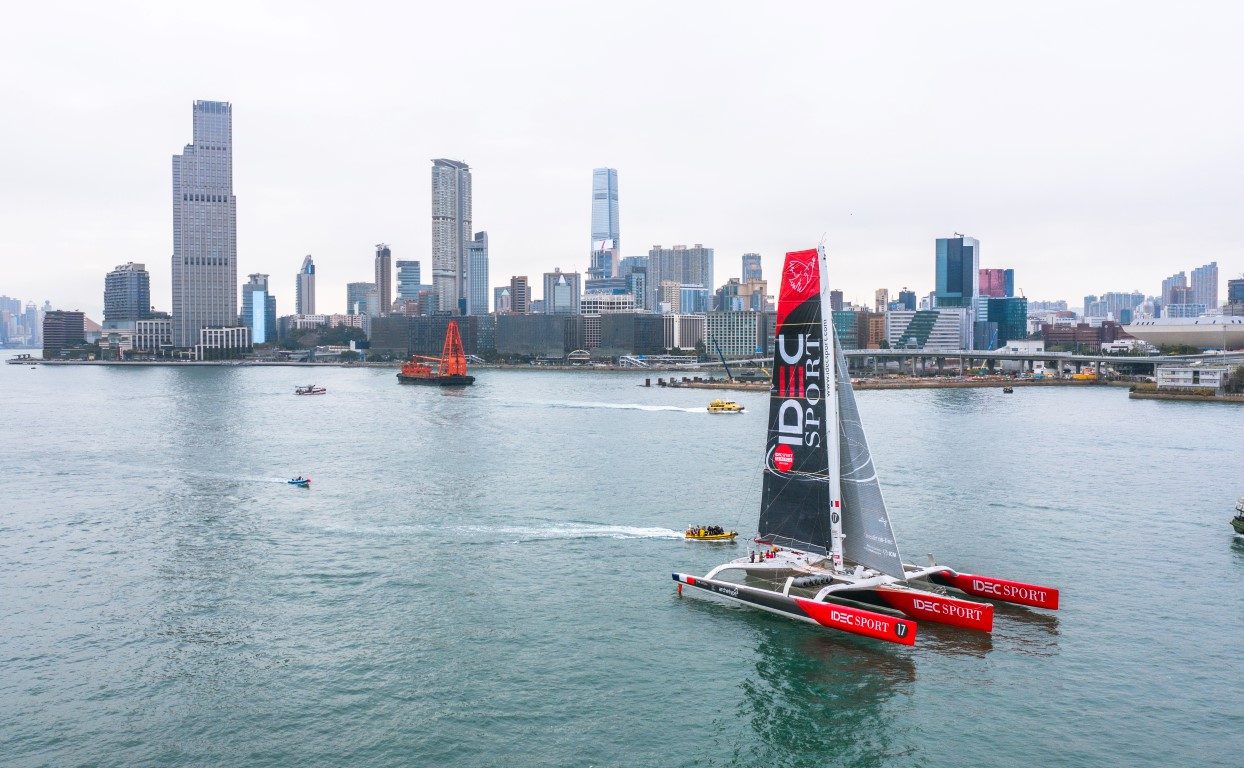
Tea Route record attempt
The IDEC SPORT maxi trimaran is back racing.
Francis Joyon left Hong Kong on Saturday 18th January at 08:00:47 hrs UTC on his way to London in the framework of another record attempt: the Tea Route, for which the reference time has been held since 2018 by the Italian, Giovanni Soldini and the crew of the Maserati trimaran, who completed the voyage in 36 days, 2 hours and 37 minutes.
To beat the record, Joyon and his crew have to finish in London by 11:36:58 on Sunday 23rd February.

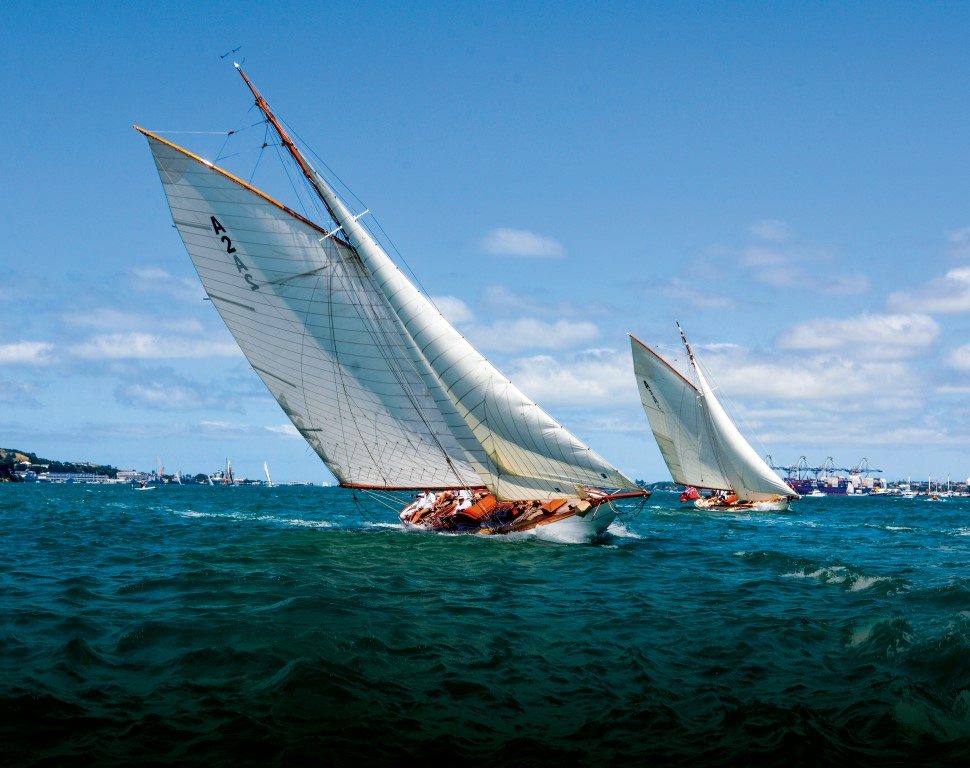
180TH ANNIVERSARY DAY REGATTA
"If you do just one regatta this year, make it this one.”
That’s the message from Ports of Auckland Anniversary Day Regatta organisers, as they gear up for the 180th edition of the much-loved event on Monday, 27 January 2020.
With the Notice of Race published and entries now officially open, organisers are encouraging Aucklanders to grasp the opportunity to take part in this iconic event.
“The regatta has always been an event for all Aucklanders,” says Executive Officer Joyce Talbot. “It’s a chance to get out and celebrate and be part of history, whether you’re on the water or watching from the shore. People have such fond memories of their parents taking them to watch the races on Anniversary Day, and that’s a tradition we’d love to continue.”
The regatta, which celebrates the founding of the City of Sails by encouraging Aucklanders to take to the water under sail, steam and paddle power, predates the America’s Cup by 11 years.
“People look at the America’s Cup as a very special, historic event,’’ says Talbot, “but they often forget we have just as much history right here on our doorstep. The Auckland Anniversary Regatta is so closely tied up with the history of the city and its boatbuilders, and it’s really how Auckland became known as the City of Sails.”
The very first Auckland Regatta was held on the day Lieutenant Governor William Hobson’s officials raised the flag, on 18 September 1840. It was an impromptu, three-race event that took place after Hobson’s representatives rowed ashore from the barque Anna Watson and took formal possession of the site in the name of Queen Victoria.
A century later the regatta had grown to become the world’s biggest one-day regatta, showcasing Auckland’s boatbuilding and sailing expertise around the globe. The event remains one of the biggest by number of participants, with over 600 boaties expected to take part in the 2020 regatta.
The regatta typically attracts a huge fleet of vessels including tall ships, gaff riggers, racing keelers, multihulls, sailing dinghies, radio-controlled yachts, waka ama, elegant sea scout craft, perfectly restored classic yachts and launches, and an armada of tugboats.
Spectators can watch from vantage points around the city’s waterfront, including Westhaven, Queen’s and Captain Cook Wharves, Tamaki Drive, Bastion Point and North Head.
For more information visit: www.regatta.org.nz
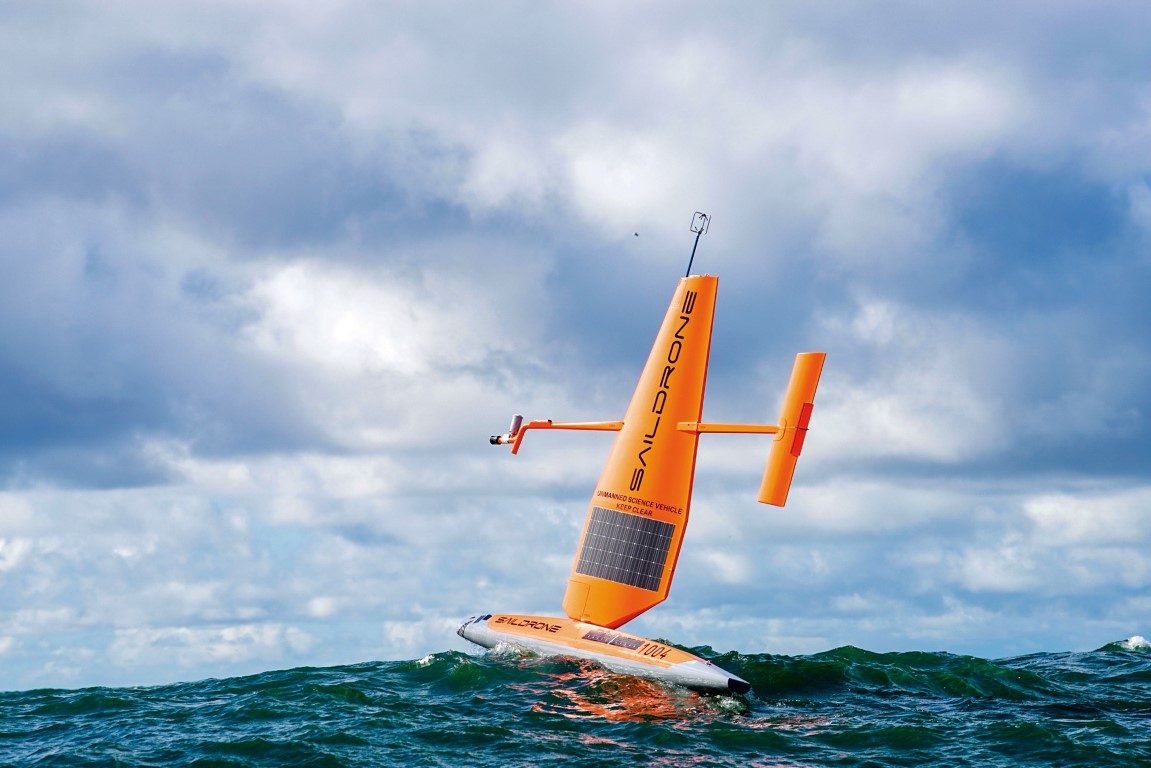
MORE RECORDS FOR SAILDRONE
A Saildrone – SD 1021 – has set the record for the fastest unmanned Atlantic crossing, and then immediately broke that record on the return crossing. It also became the first autonomous vehicle to transit the Atlantic in both directions.
Unmanned Surface Vessels (USVs), the US-manufactured Saildrones are designed for the planet’s harshest ocean conditions. They’re powered exclusively by the wind for propulsion and use solar energy to run onboard computers and navigational instruments.
They are equipped with a suite of science-grade sensors to collect oceanographic and meteorological data above and below the sea surface, including wind speed and direction, air and sea surface temperature, atmospheric pressure, photosynthetically available radiation, wave height and period, dissolved oxygen, salinity and acidity levels.
In addition to the standard Saildrone sensor suite, SD 1021 is also equipped with an Acoustic Doppler Current Profiler (ADCP) to measure current strength and direction.
There are two typical trans-Atlantic passages: from west to east, vessels take the northern route from New York to the English Channel, benefiting from prevailing westerlies and favourable current. For the east to west, vessels take the southern route, from Spain to Bermuda or the Caribbean. Though the southern route is nearly 1,000 nautical miles longer, crewed vessels enjoy a smoother ride sailing with the trade winds and favourable current.
On its return trip, SD 1021 took the direct northern route, sailing predominantly upwind and against the current, completing the 3,402-nautical mile passage in just 68 days. Her carbon composite wing was damaged in a Gulf Stream storm with winds gusting to 58 knots and waves over 12m high. The vessel’s backup systems allowed it to navigate to Bermuda where it was retrofitted with a new wing and deployed for the Solent.
SD 1021 has sailed some 15,000 nautical miles since first deployed in the Arctic in 2018.
Saildrone’s fleet of USVs is actively engaged in fisheries, bathymetry and climate science missions around the globe, with an additional 50 vehicles expected to be deployed in 2020.
DISCARDED NETS, SURFIES’ BLING
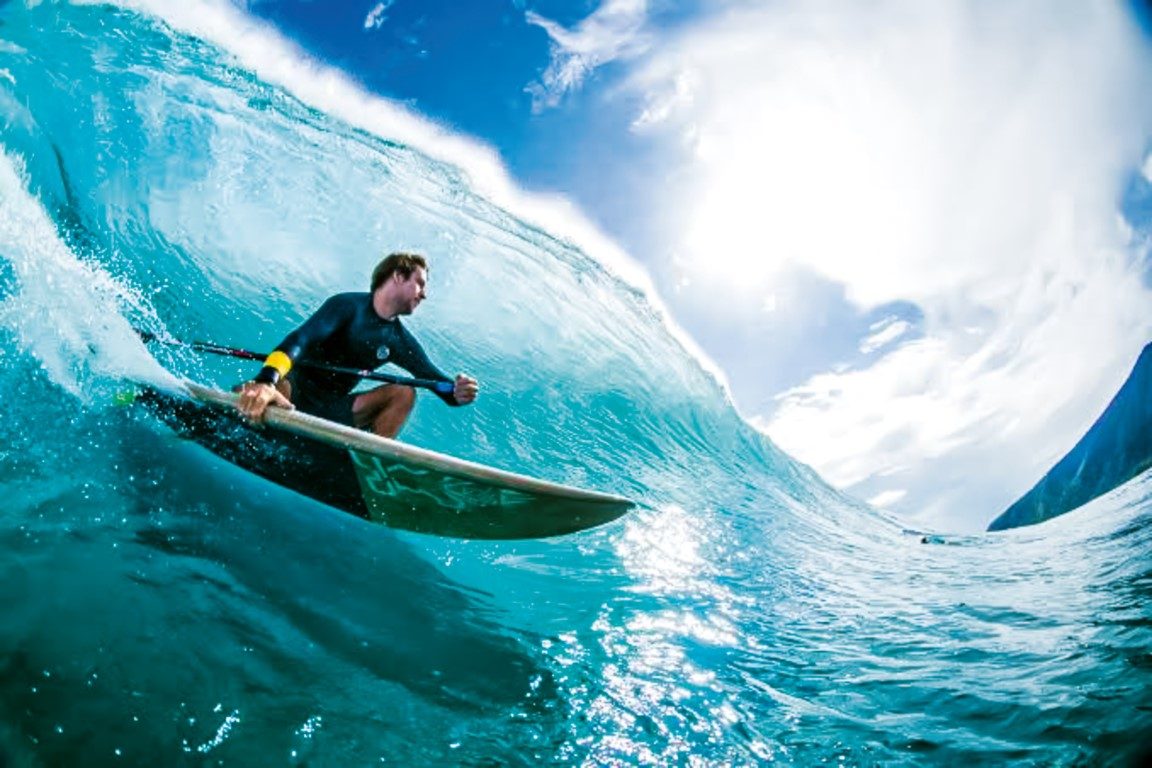
The project is a collaboration between Royal DSM – a Dutch science-based company – and Starboard, a Bangkok-based watersports company manufacturing paddleboards, surfboards, windsurfers and kiteboards.
In addition to the environmental benefit, the collection, sorting, cleaning and processing of discarded fishing nets creates sustainable livelihoods for several local communities in India.
The collaboration was born when Starboard selected DSM’s Akulon RePurposed resin. Fully-recycled from discarded nylon-based fishing nets, the resin is known for its sustainability profile as much as its performance. The discarded fishing nets are gathered from the Indian Ocean and Arabian Sea and are given a new lease of life as fins, fin boxes, SUP pumps and other structural parts in surfboards.
“One of the most satisfying parts of our work is the challenge of redesigning our products to lower their environmental impact and achieve higher performance,” says Svein Rasmussen, Starboard founder and CEO. “Through this collaboration with DSM, we showcase how quick and easy it can be to change the way we build better boards for the planet. We want to continuously push boundaries for more eco-innovations for our boards.”
UN figures show more than eight million tonnes of plastic ends up in the oceans, wreaking havoc on marine wildlife and fisheries and costing at least US$ eight billion in damage to marine ecosystems. Abandoned plastic fishing nets are a part of the problem.
According to a report jointly produced by the Food and Agriculture Organization (FAO) and the UN Environment Program (UNEP), fishing nets abandoned at sea remain in the marine ecosystem for hundreds of years. Known as ghost fishing nets, experts have estimated that there are roughly 640,000 tonnes of these nets currently in our ocean, accounting for almost ten per cent of all plastic waste in the sea.
SLATER IS TOPS
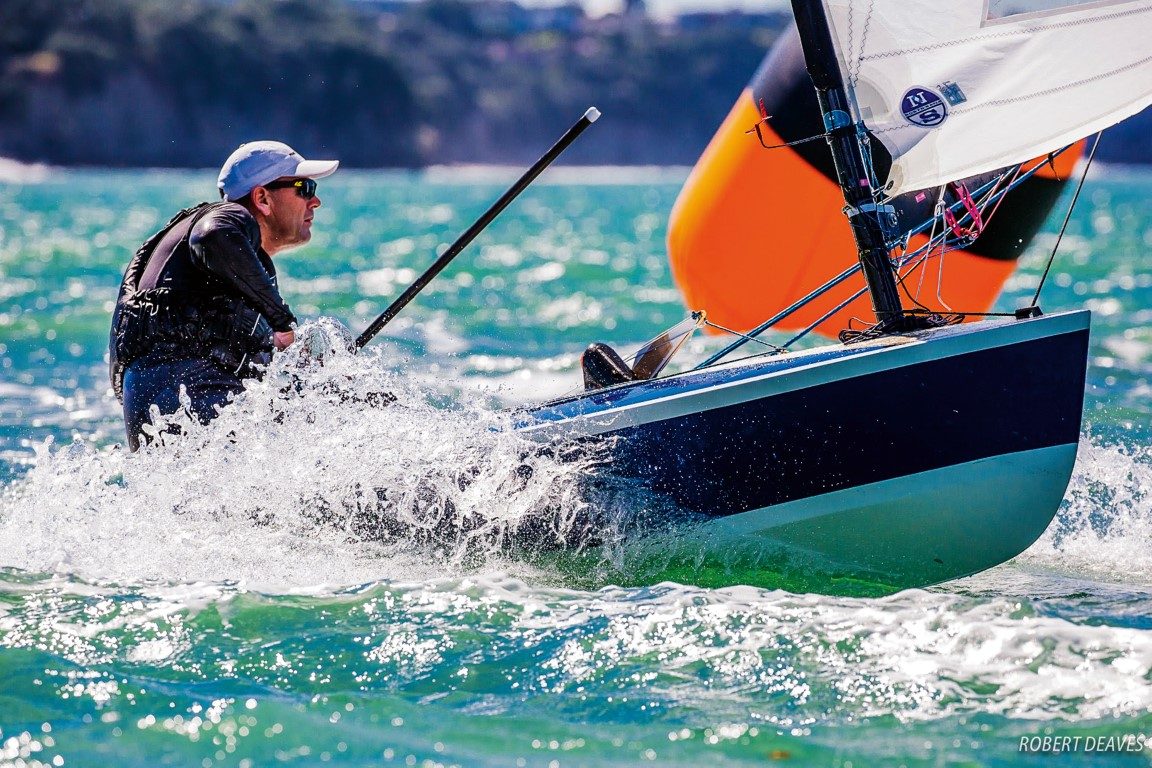
Former Olympian Dan Slater was the big winner at this year’s Volvo Yachting Excellence Awards, scooping the Sailor of the Year trophy.
Slater started the year by finishing on top in a fleet of 110 boats at the OK Dinghy world championships in Auckland and backed it up by being tactician for the winning team at the 12m world championships in England. He was also tactician for the second-placed team at the 8m world championships to round out an outstanding 2019.
The three-time Olympian collected the prestigious Sir Bernard Fergusson Trophy as the Orbit World Travel Sailor of the Year at a gala dinner in November, held at the Royal New Zealand Yacht Squadron.
Promising duo Seb Menzies and Blake McGlashan were named the Volvo Young Sailors of the Year after dominating the fleet to win the boy’s 420 at this year’s youth sailing world championships and they were also second at the 420 world championships.
“It’s wonderful to be able to celebrate the brilliant achievements of sailors from all over New Zealand on the world stage,” said Yachting New Zealand chief executive David Abercrombie. “It’s also important to recognise the tremendous efforts of clubs and their volunteers who make the sport possible for thousands of Kiwis.
“Dan has been a consistently high performer for many years and the judges were unanimous in their decision. It’s a fantastic achievement to win two world titles in a year and his success at the OK Dinghy world championships was something he had been working towards for some time. We’re also excited to see what the future holds for Seb and Blake who have been turning out a series of world-beating performances at such a young age.”
Three new awards were handed out at the event – the Lucke Youth Leadership Award, North Sails Sportsmanship Award, and Propspeed Sustainability Award. A feature of the evening was a panel discussion with Burling and Tuke about Emirates Team New Zealand’s America’s Cup campaign. The pair had earlier picked up a Performance Award.
“Yachting is in a really good space with healthy clubs and good numbers across the country,” Abercrombie said. “We are looking forward to an exciting two years coming up with the likes of next month’s Hyundai 49er, 49erFX and Nacra 17 world championships, the Tokyo Olympics and America’s Cup.”
Volvo Yachting Excellence Award Winners
Orbit World Travel Sailor of the Year: Dan Slater
Volvo Young Sailor of the Year: Seb Menzies & Blake McGlashan
Aon Emerging Talent: Ted Houry
Lucke Youth Leadership Award: Serena Goodall
North Sails Sportsmanship Award: Harry Edwards & Emily Overend Propspeed Sustainability Award: Wakatere Boating Club
Lawson’s Dry Hills President’s Award: NZL Sailing Trust
Zhik Official of the Year: Ian Clouston


