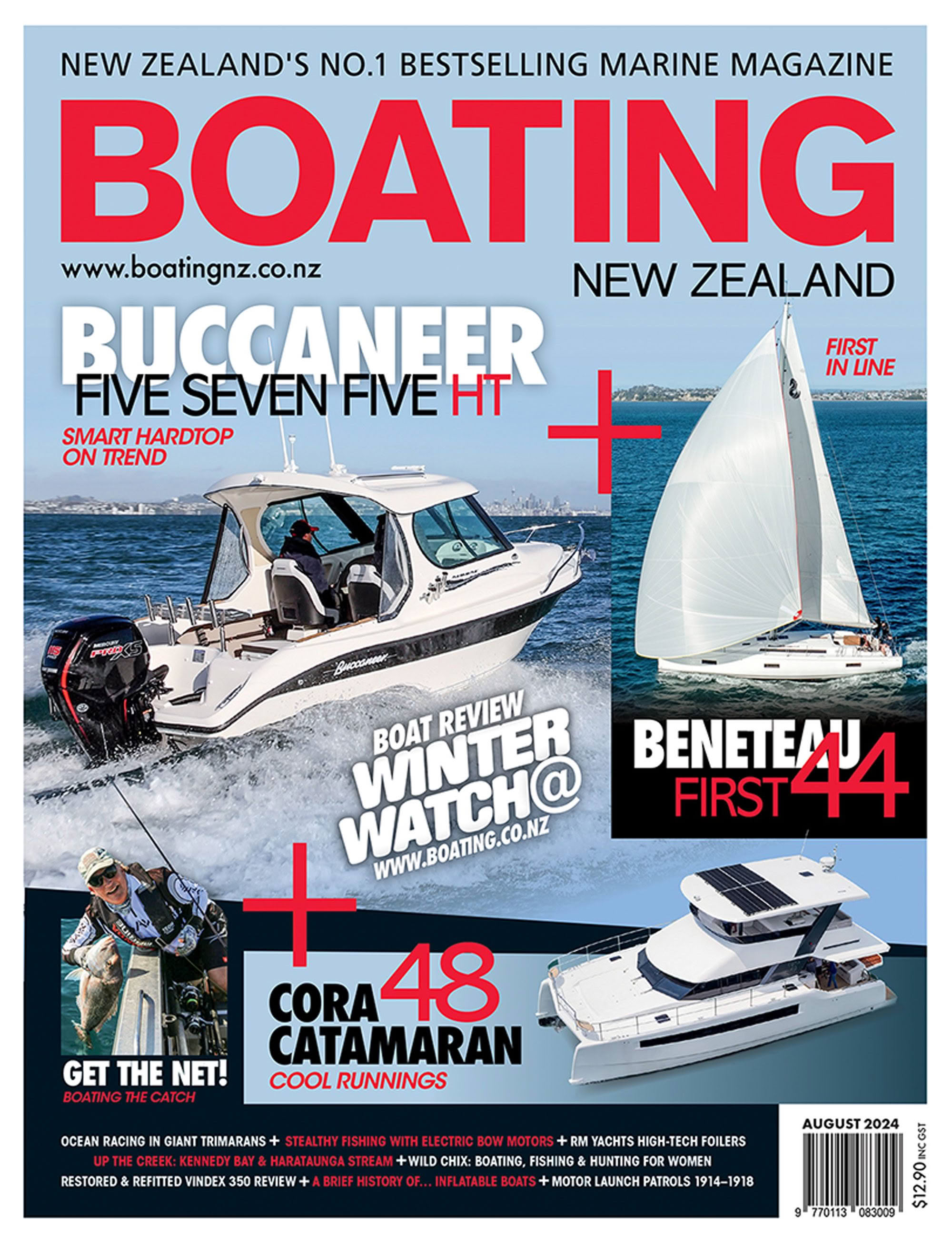
BOAT REVIEW Buccaneer Five Seven Five

August 2024 Trailer Boat Reviews
Words by Andrew Howard. Photography & video by Roger Mills
OUR RATING
4 STARS
Performance
Economy
Handling
Value
Build Quality
Specification
MODEL DETAILS
MODEL Buccaneer Five Seven Five
DESIGNER Buccaneer Boats
BUILDER Buccaneer Boats
PRICE AS TESTED $125,000
SPECIFICATIONS
LOA 5.75M
LENGTH (Waterline) 5.4M
BEAM 2.34M
DRAFT 0.5M
ENGINE Mercury 115hp Pro XS
FUEL CAPACITY 165L
Weight on Trailer 1620 kg
Max Horsepower 150hp
Passenger Capacity 4 people
DEADRISE 22.5 degrees
HIGHLIGHTS
  • High level of shelter and comfort for a boat of this size
  • Lightweight hardtop barely affects handling
OBSERVATIONS
  • Easy to handle and tow
  • Mercury's advanced charging system ensures an uninterupted power supply to onboard electronics
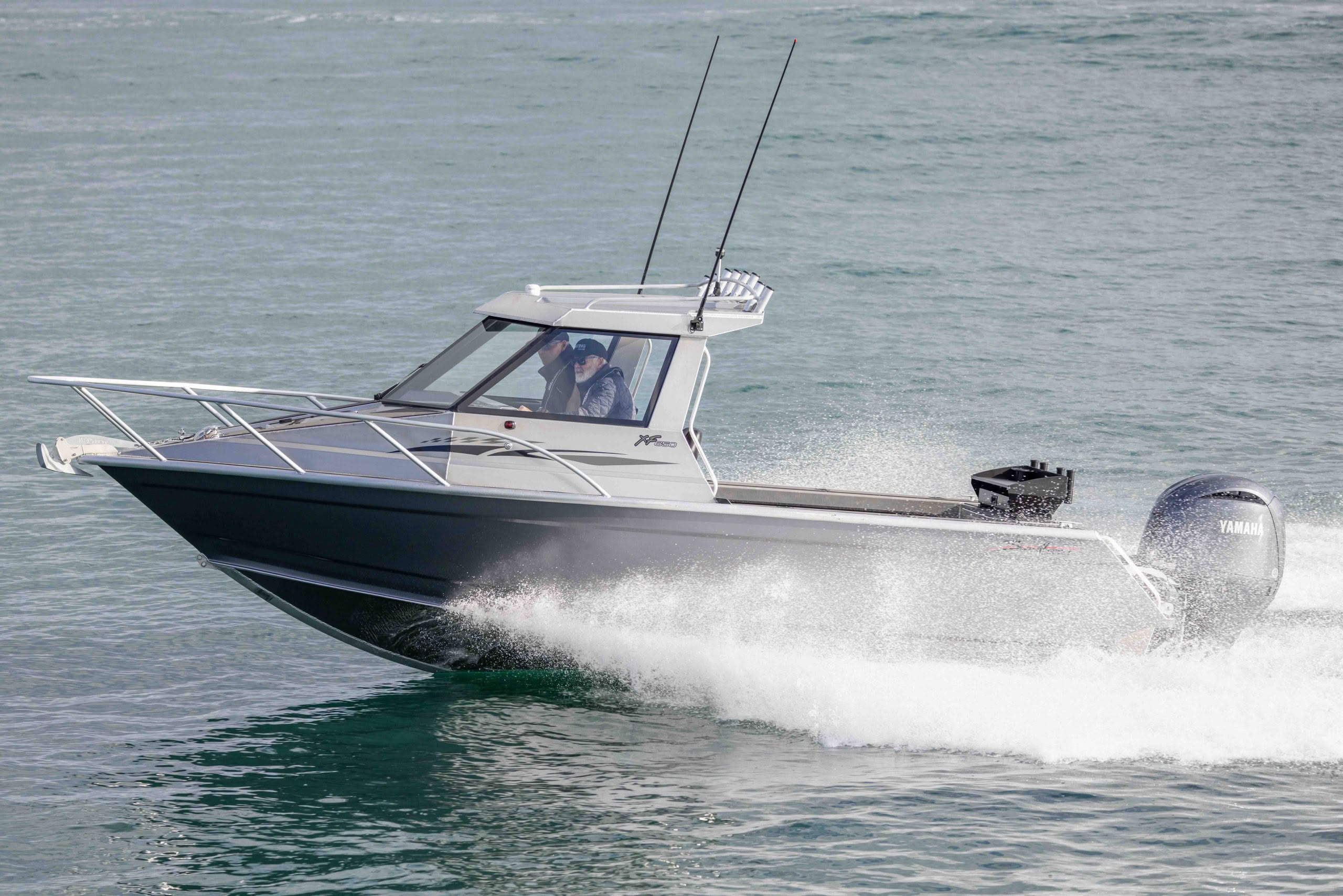
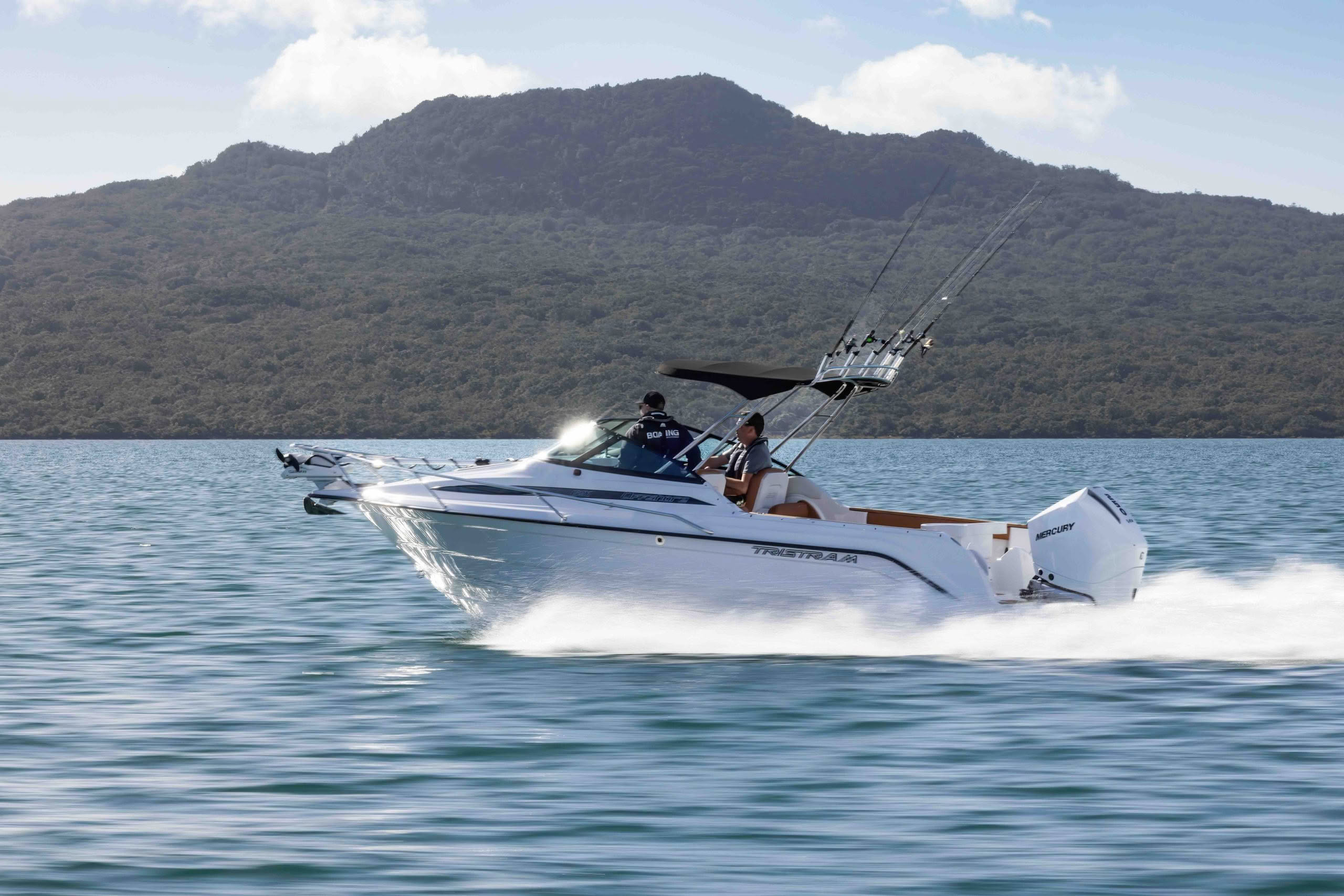
Adding a hardtop to a boat can significantly enhance its comfort and functionality. Fibreglass trailer boat builder Buccaneer has successfully integrated a smart hardtop into its new Five Seven Five Hard Top, whereas in the past it only offered cabin and half-cabin models in this size range, exemplified by its Classic models.


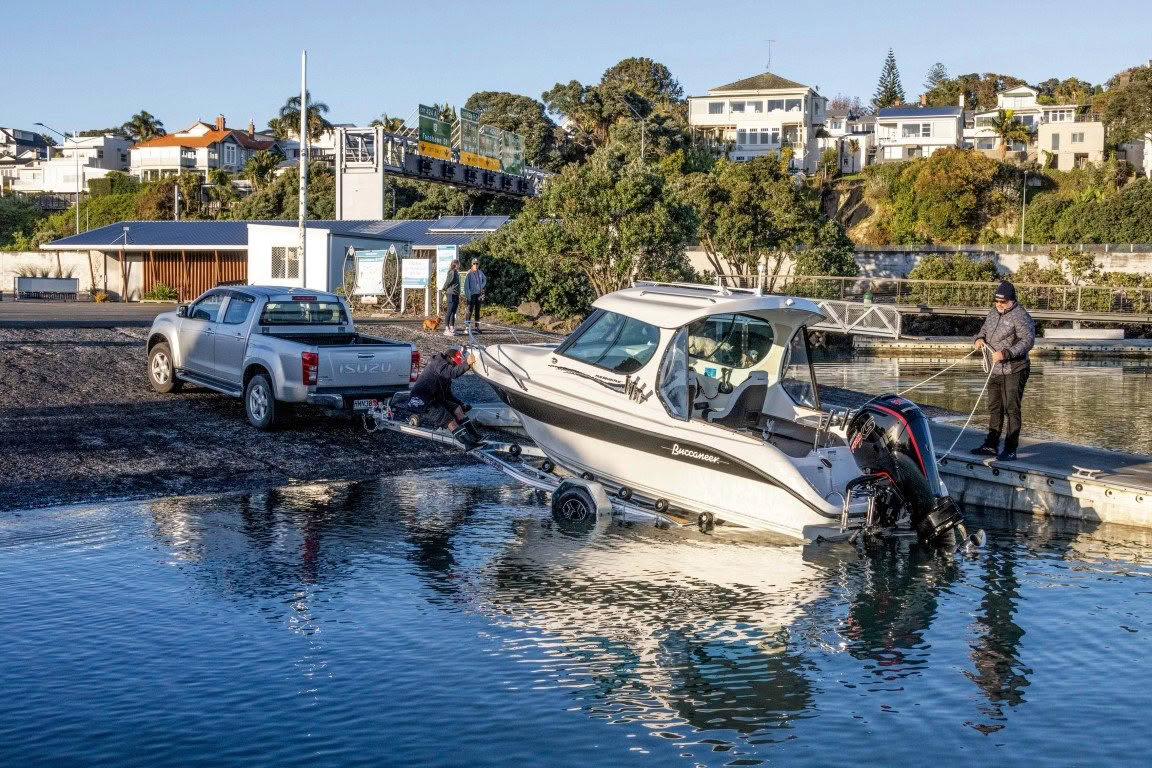
The Buccaneer Five Seven Five Hard Top is based on the recently released Six-Fifteen Hard Top model (Boating NZ, June 2024). This smaller sibling on its single-axle trailer is lighter to tow and easier to handle, both on the road and in the yard at home, yet it still packs a punch on the water. This model is only 500mm shorter than the Six-Fifteen, with an overall length of 6.28m.

Advertisement

The boat sits on a locally-made Enduro trailer, which is a reliable, timeless piece of equipment equipped with the latest Trojan components, including a pair of stainless-steel caliper disc brakes. These brake systems are practical and straightforward to maintain.

Layout

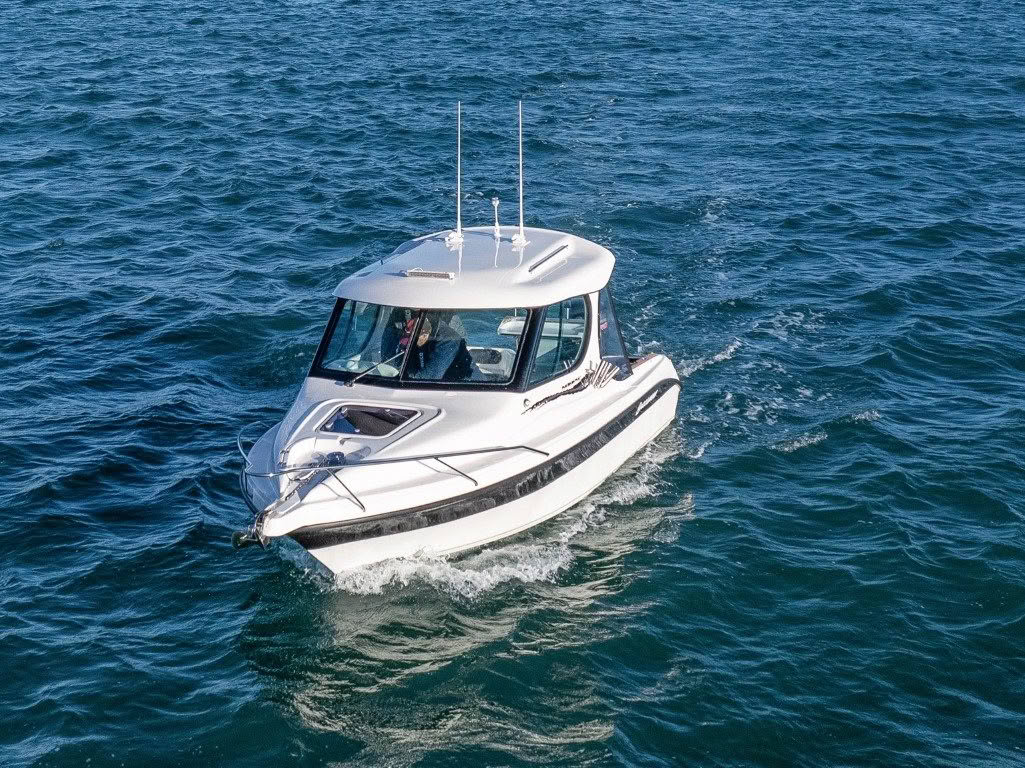
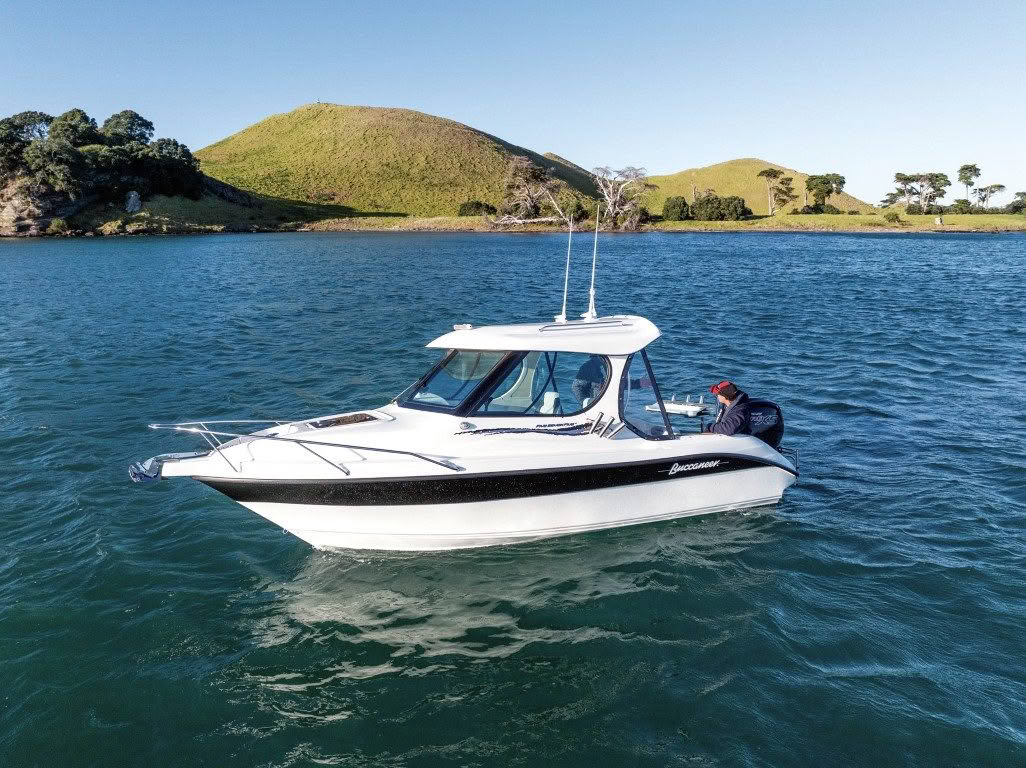
On board, the boat feels much larger than its 5.75m length. The headroom under the hardtop is impressive, too, easily accommodating someone over six feet tall (1.83m).

Screenshot

In the forward cabin are vee berth bunks. With the infill added, there is ample room for two adults to lie comfortably, providing an overnight option for boaties. Two spacious side shelves run the length of the cabin, delivering generous storage. There is also space between the berths for an optional portable toilet. This would be a must in my book, as it simply increases the amount of time family and friends can spend boating together.

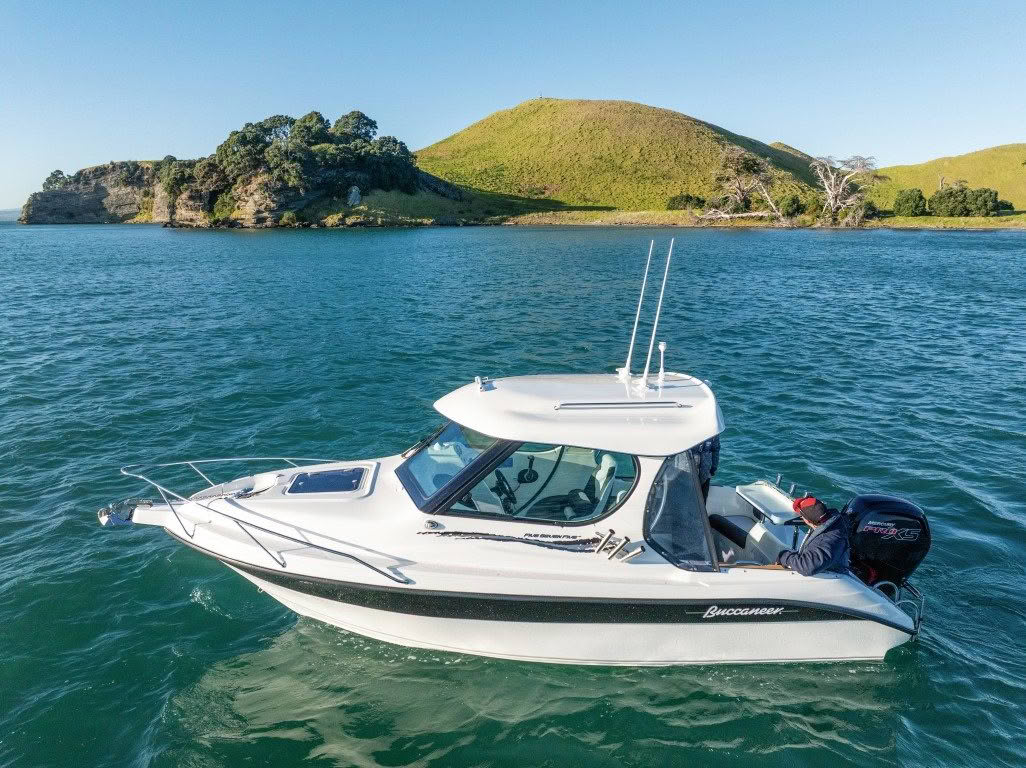
The spacious cockpit is uncluttered but has plenty of seating. The cockpit sole is covered in SeaDek. The bolster-equipped helm chairs are a decent size and proved comfortable even in the lumpy conditions we experienced. Both seats can be swivelled 180 degrees to face the stern – great for socialising and relaxed fishing.

Visibility from the helm seat is good, but in the sloppy sea state I preferred standing and leaning back into my chair while driving. The helm station is home to the Mercury Smartcraft display and a 12-inch Raymarine MFD. The Raymarine display was bright, clear and easy to see whether sitting or standing. To the left of the screen is the control switch for the Maxwell RC6 anchor with the toggle for the Lectrotab trim tabs to the right. This toggle is a new design, and while there were some technical issues with the trim system on test day, it was very intuitive to use and certainly effective when working.

The lower section of the helm station houses the VHF radio, stereo and accessory switch panel, but for me they would be better mounted above the front windscreen under the hardtop ceiling.

The cockpit sides have ample space for storing gear and fishing rods, with more storage under the moulded passenger seat bases aft. A raised battery and master power switch locker is situated between the moulded seats is and above this locker is another example of Manta’s excellent bait board and rod holder module. This module can be quickly removed if water sports are on the menu for the day rather than fishing.

There were enough rod holders on board for half a dozen options for each angler! My favourite rod holders are those on the outside of the hardtop – great for keeping fishing tackle out of the cockpit or storing nets or gaffs. This way they are out of the way when you’re fishing but ready at hand when you need them.

Hardtop benefits

First and foremost, a hardtop offers shelter from the elements. A solid roof overhead can significantly enhance comfort when boating, whether it’s shelter from the scorching sun, pouring rain, or cold, gusty winds.

This protection ensures a more enjoyable experience for passengers and contributes to the vessel’s longevity by shielding the interior from potential sun and saltwater damage. Moreover, a hardtop can significantly improve a boat’s useability, especially for activities such as fishing or dining. Hardtops are perfect for mounting additional equipment like rod holders and radar systems, and enhance the vessel’s useability, enjoyment value and safety. A hardtop can also accommodate stereo speakers or solar panels.

Regarding safety, the hardtop’s sturdy structure offers support to the boat’s occupants in rough seas or during sudden maneouvres. Furthermore, a well-designed hardtop can improve a boat’s aesthetics, giving it a more polished and sophisticated look, as well as contributing to its overall durability and boosting its resale value. However, the added weight and wind resistance of a hardtop can affect a boat’s performance, potentially reducing its maximum speed and overall fuel efficiency.

The Buccaneer Seven Five Hard Top has additional buoyancy to accommodate the hardtop’s extra weight, and each hull compartment is foam-filled, resulting in a very quiet ride, which we noted even in the windy, boisterous conditions on test day. All of Buccaneer’s boats are approved by Coastguard and constructed to meet the rigorous CPC Standard for New Zealand boatbuilders. Buccaneer offers a comprehensive five-year structural warranty across its entire range.

On-water performance

On our test day, the wind gradually built to over 25 knots, which while not especially pleasant and challenging for the photography, was excellent for testing the boat’s ride and performance!

The Mercury 115hp outboard displaces 2.1 litres and is a member of Mercury’s INLINE-4 PRO XS range. These four-stroke engines are very quiet at idle but have a lovely exhaust note when underway.

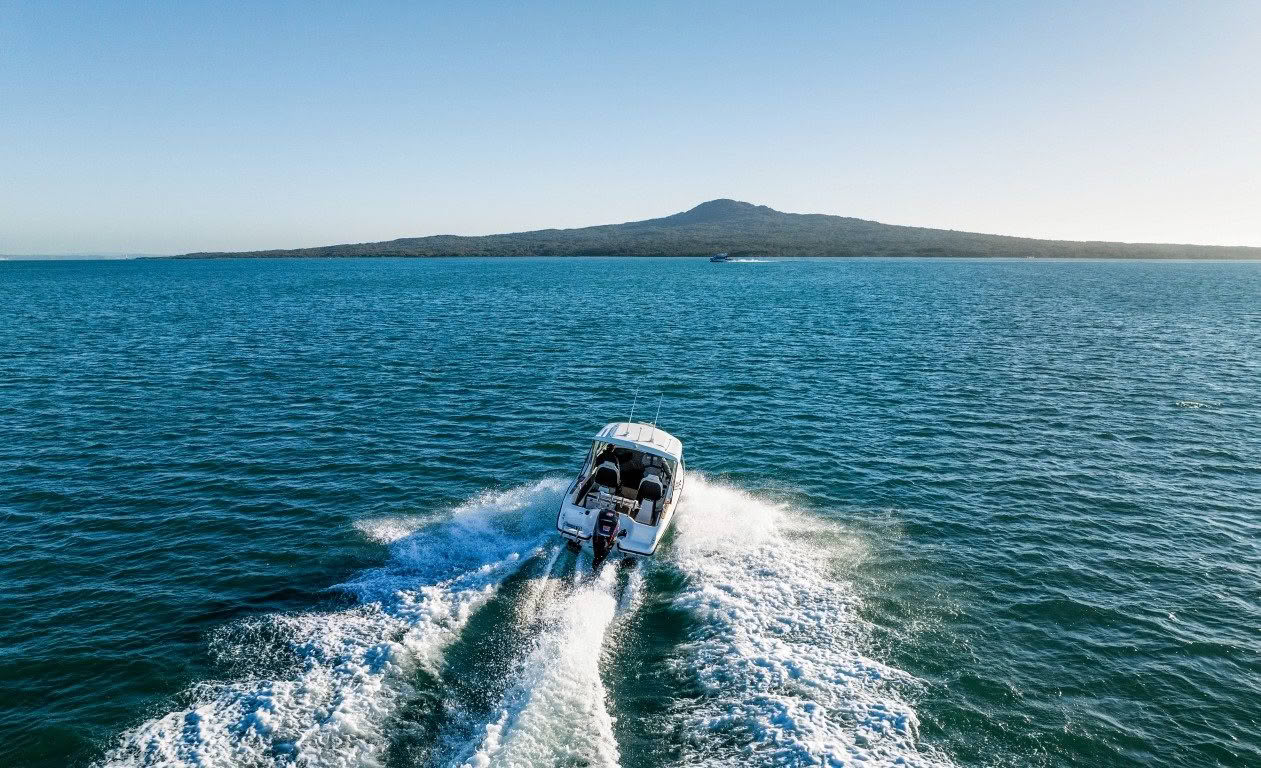
The engine was paired with a four-bladed propeller to provide additional punch out of the hole. It was very effective – the engine was hardly working every time we launched ourselves out of the water for the next camera shot. A surprising observation was that, despite the conditions and variable sea state, I had no need to feather the throttle to maintain a constant boat speed. This desirable attribute is more usually the domain of much larger vessels with bigger engines. It certainly made for a more pleasant ride for everyone on board during our morning with the Buccaneer.

Visually, the 115hp Pro XS is striking, with a distinctive appeal that sets it apart from other engines of this size. Its styling enhances the overall look of the Five Seven-Five Hard Top, which already looks sharp, even on the trailer. At 163kg, it is the lightest engine in its class, which contributes to improved boat handling and overall efficiency.

One standout element of the 115hp Pro XS is its advanced charging system, which particularly benefits anglers who equip their boats with extensive electronic gadgetry, lighting, and pumps. The engine’s charging system monitors battery voltage and can increase idle speed by 25rpm (up to 800rpm) if the voltage drops, ensuring an uninterrupted power supply to onboard equipment. This capability provides peace of mind, allowing boaters to operate their electronics confidently without fear of battery exhaustion or equipment failure.

Fuel consumption

With a fuel tank of 165 litres under the floor, the Buccaneer Five Seven Five has an impressive range. During our morning with the boat, fuel usage was 6 litres per hour at 6.5 knots and just 14 litres per hour just planing at 13.5 knots with the engine purring at 3,400rpm. Hustling along (for the conditions) at 28.4 knots, the engine was operating at 5,500rpm. At full throttle (6,300rpm) the Merc uses 39 litres per hour, according to the manufacturer.

With that fuel economy, a single tank can cover a lot of water and provide a lot of fun times.

Summary

This is an excellent option for a first ‘new’ boat. The interior is well-proportioned, and the boat looks sharp. The Buccaneer brand has been building boats since the mid-1970s with a reputation for classic, well-built designs that last the distance. Resale values are excellent.

The new Five Seven-Five from Buccaneer is likely to appeal to many new boaters, as well as seasoned veterans. It has a lot to offer for its size and on a blustery winter’s day proved itself a capable hull and engine combination that kept us comfortable and dry.

Advertisement

Seawind 1170

Privacy is one of the big plusses of accommodation aboard catamarans and the portside owner’s suite on the 1170 does this well, with the forward athwartships island bed and stern bathroom a very pleasant area.

Vindex 350 S

When the itch for another boat project required scratching a little over two years ago, de Fluiter decided that repurposing a Vindex 350 flybridge would be quicker than building another new boat.