
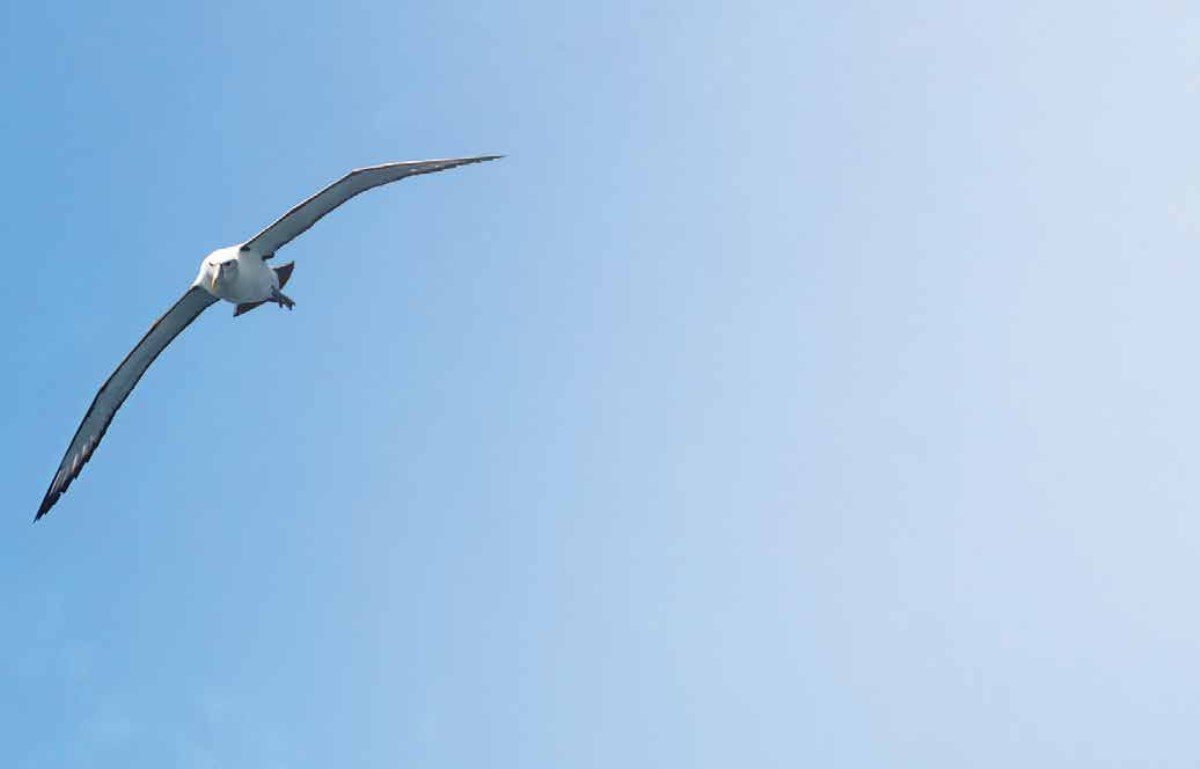
ALBATROSS BEING FISHED TO DEATH
New research points to fishing bycatch as a major cause of the alarming decline of Antipodean albatrosses. The Department of Conservation report underlines the need for urgent action to fix New Zealand’s fishing rules, says Forest & Bird.
Published late last year, the report (Antipodean wandering albatross census and population study on Antipodes Island 2019) confirms the number of female Antipodean albatross has fallen to 42% of their 2004 numbers. The species has a ‘nationally critical’ threat status.
“The Antipodean albatross is one of the great albatrosses of the world, with a wingspan of three metres or more. We have a special responsibility to protect this bird which breeds almost exclusively on our Antipodes Island in the Sub-Antarctic,” says Forest & Bird seabird advocate Sue Maturin.
“The research, which tracked albatross by satellite, strongly indicates fishing bycatch is one of the main reasons for the alarming decline in the female population. We urgently need better rules for commercial fishing boats to keep these majestic birds from needlessly dying on longline hooks.”
A large number of the birds are believed to be killed by foreign fishing vessels in international waters. They are also killed in New Zealand’s longline fisheries, and the numbers actually caught are likely to be much higher than those reported because of the low rates of observers on commercial boats, the report states.
“Up to 14,000 birds were killed by New Zealand fishing boats last year,” Maturin says. “New Zealand’s fishing industry has pledged to aim for a zero bycatch target, so why are they – unlike our birds – being let off the hook so easily? This year, New Zealand has a chance to fix our fishing rules and do something positive for these beautiful albatrosses.”
Forest & Bird has declared 2020 to be the Year of the Seabird. Submissions on a draft National Plan of Action for Seabirds closed on 27 January.
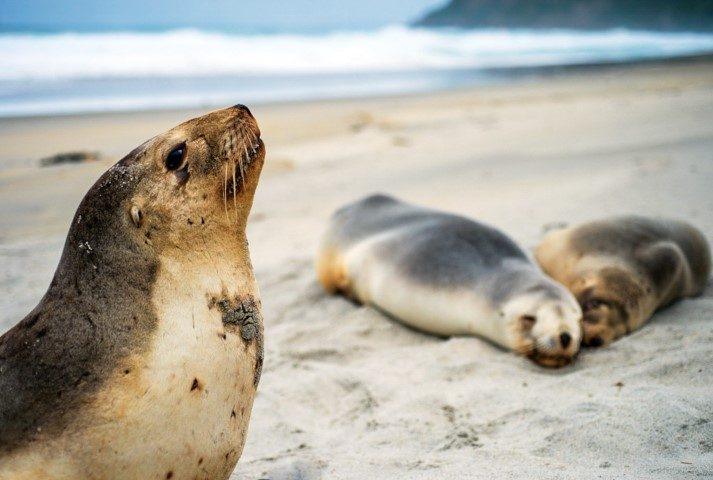
LIFE-LINE FOR SEA LIONS
Forest & Bird is proposing the establishment of a new protected zone for sea lions off the remote Auckland Islands, calling it a win-win for New Zealand sea lions and commercial squid fishing.
The organisation says the plan – which would see the creation of a temporary trawl-free area around the Auckland Islands – is based on satellite tracking data. This protection area would protect most breeding female sea lions and barely impact the trawl boats which can kill the animals.
NZ sea lions are one of the rarest sea lions in the world, with fewer than 12,000 individuals. At the main breeding location, the Auckland Islands, pup production has declined by approximately 55 percent since 1998.
Seven sea lions have been confirmed dead in trawl nets around the Auckland Islands this year, although the number is likely to be higher as not all dead or injured sea lions are seen and accounted for.
“Forest & Bird’s temporary sea lion protection area is based on research that shows most breeding females hunt within a limited area as they have to return to shore to feed their pups,” says Katrina Goddard, Forest & Bird Ocean Advocate.
“By making the most of their vital foraging grounds, we can reduce the risk to most of these mums and their dependent pups, while leaving 83 percent of the overall squid fishing area available to the trawl boats.”
The organisation has criticised Fisheries NZ’s three options for the squid trawl fishery, for allowing increasing options for sea lion deaths in trawl nets.
“None of Fisheries NZ’s proposals for managing the squid trawl fishery will save our precious sea lions. Fisheries bycatch is the most significant human threat to sea lions and the only one that can be actively managed, and we must try to bring it as close to zero as possible,” says Ms Goddard.
“Forest & Bird’s proposal is a win-win scenario for New Zealand sea lions and for the fishing industry. The sea lion protection area won’t have any impact on the squid trawl fishery, but will significantly help our sea lions.”


