
Inaugural Water Safety Month
New Zealand’s first Water Safety Month was launched 18 October because too many people are dying in New Zealand waters.
Already this year 57 people have died in the water in preventable incidents*, compared to 66 in all of last year – that includes 18 recreational boaties, compared to just four in all of last year.
The Minister of Transport, Phil Twyford, joined representatives of the Safer Boating Forum in Auckland this morning as they launched the new initiative. The Forum comprises 24 boating and water safety organisations including Maritime NZ, Coastguard NZ, Surf Life Saving NZ, Water Safety NZ, Drowning Prevention Auckland, harbourmasters, the Marine Industry Association and many recreational organisations.
All the organisations – government, volunteer and sports bodies – are increasing collaboration to get water safety messages to people.
Water Safety Month is designed to get people thinking about preparing before they go in, on or around the water.
Maritime NZ started the month with Safer Boating Week leading up to Labour Day weekend, which is when many boaties get back on the water after winter. The theme was ‘prep, check, know’ – prep your boat, check your gear and know the rules before getting back on the water.
There are more programmes this year than ever before, to help people keep themselves safe. Some of them were on show at the launch.
Coastguard NZ has expanded its Old4New Lifejacket Upgrade, with the Old4New van visiting 63 locations around the country this summer. Maintenance and replacement is key to ensure lifejackets work when they are needed.
Surf Life Saving New Zealand says that the safest place to swim is between the red and yellow flags on a lifeguarded beach. Anyone who gets caught in a rip should remember and practice the three R’s – Relax and float, Raise your hand and Ride the rip to have the best chance of getting to safety.
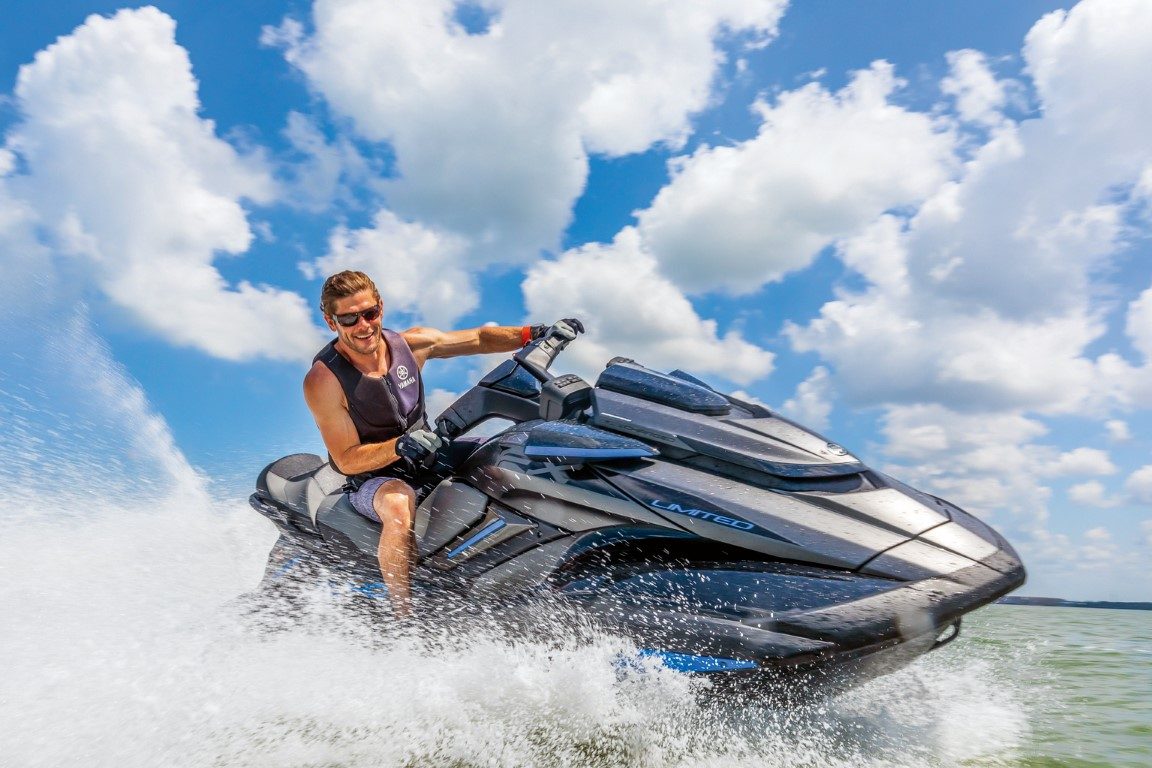
Hundreds of thousands of boaties are now using small paddle craft, like kayaks and stand-up paddle boards, as well jet skis. The numbers are going up fast. People using these types of craft don’t always know the risks they face. This summer there will be new pilot programmes to meet people on the beaches and provide them with simple, fun advice and help, including one by the Kiwi Association of Sea Kayakers.
Water Safety NZ will be reinforcing its message around constant active adult supervision of toddlers and small children at all times around water. This year already there have been six fatalities involving under-fives.
Water Safety NZ’s annual funding round will this year invest $2 million in drowning prevention programmes. The main focus is Water Skills for Life training in primary schools. Water Safety NZ is also investing in Māori drowning prevention and regional water safety strategies in the high risk areas of Auckland, Waikato and Bay of Plenty.
The month will end at St Mary’s Bay with Drowning Prevention Auckland running a family, have-a-go Water Safety Day with all our organisations involved.
Boating and water safety organisations will then continue their safety programmes and events through summer.
* Preventable fatalities are those where water safety sector intervention could have had an influence (for example where the victim was boating, swimming, diving) while non-preventable include events such as suicides, homicides and vehicle accidents (where water safety education and activity would not have prevented the death).
RNZYS’ 150TH CELEBRATIONS
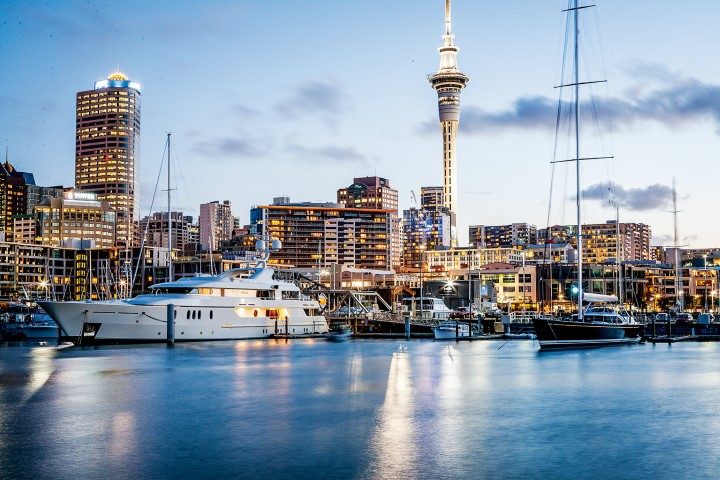
A jam-packed 2021 is on the cards to mark the Royal New Zealand Yacht Squadron’s 150th birthday – a ‘sesquicentenary’ celebration that coincides with Auckland hosting the 36th America’s Cup. These events include J Class racing, superyacht regattas as well as offshore and New Zealand-based races.
RNZYS Vice Commodore Aaron Young says a race to Kawau Island on New Year’s Eve 2020 kicks off the celebrations, followed by the Kawau New Year’s Day Regatta, and then by a Kawau to Great Barrier Cruise from the 3 – 6 of January. The Squadron has also secured two offshore races for the year. The first is from Sydney to Auckland in conjunction with the Royal Prince Alfred Yacht Club, starting on 1 February. The second is a race from Auckland to Southport Yacht Club in Queensland, starting on the 1 June.
In what is one of the most anticipated additions to the calendar, the Squadron hopes to attract a number of J Class Yachts with planned sailing in the Bay of Islands in February, and in Auckland in early March. J Class yachts are 40-45m long and have a crew of 30-plus professional sailors on board. They were used in the America’s Cup during the 1930s.
A superyacht regatta has been locked in for the 25 – 27 February in Auckland (organised by RNZYS), likely to be the biggest ever been seen on New Zealand waters. Dates are to be confirmed for the America’s Cup Christmas Regatta, but it is expected to take place sometime in December 2020/January 2021, and the PRADA Cup Challenger Selection Series in January / February 2021.
Steve Armitage, the general manager of Auckland Tourism, Events and Economic Development (Destination) says 2021 is going to be an unprecedented year for the region.
“Auckland is gearing up to host a mega year of events starting with the 36th Cup, the Squadron’s 150th and finishing with APEC Leaders’ Week. There will also be a diverse array of international sporting events such as the Women’s Rugby and Cricket World Cups, World Softball Championships, the national kapa haka festival, Te Matatini, along with the exciting annual events calendar.
“We’re looking forward to welcoming the world here and showing off Auckland’s stunning natural attributes, culture and city sophistication.”
For more information contact Andrew Delves – adelves@rnzys.org.nz
Ditch vintage lifejackets
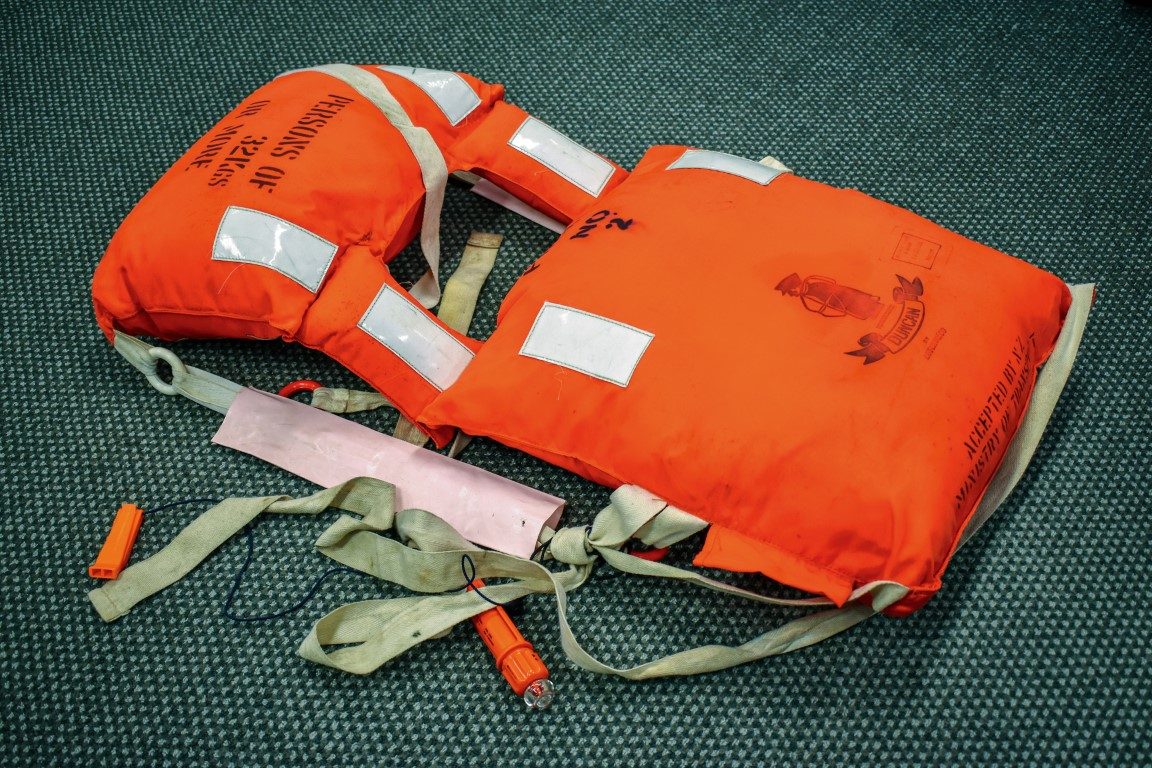
Kenny Crawford – general manager Maritime Compliance – says the old lifejackets should be replaced as soon as possible with modern foam-filled or inflatable lifejackets and destroyed so they cannot be reused or on-sold.
The manufacture of these lifejackets stopped in the 1980s, but an unknown number are still being used.
“Kapok,” says Crawford, “is a cotton-like fluff that’s no longer used in lifejackets because it naturally loses buoyancy over time and if it gets wet it will absorb water and pull you down. Cotton straps rot over time, even if the lifejacket’s not used, and will tear or break off the lifejacket. The lifejacket will come off in the water.

“Even if these lifejackets are in their original packaging, have never been used and look in perfect condition, replace and destroy them. They are unsafe.”
Crawford says the old lifejackets complied with international rules when they were manufactured, and many carry the old standards ‘S’ logo. But they no longer comply with the modern New Zealand standard for lifejackets.
Trade Me, Coastguard and many other organisations are helping to get rid of the old lifejackets. On Maritime NZ’s advice, Trade Me has removed several old lifejackets from auctions and will continue to do so as they are posted.


